
 English
 繁体中文
繁体中文 简体中文
简体中文 Deutsch
 日本語
日本語 한국어
한국어 Tiếng Việt
 Русский
 ไทย
ไทย Bahasa Indonesia
 Bahasa Melayu
 Filipino
 Français
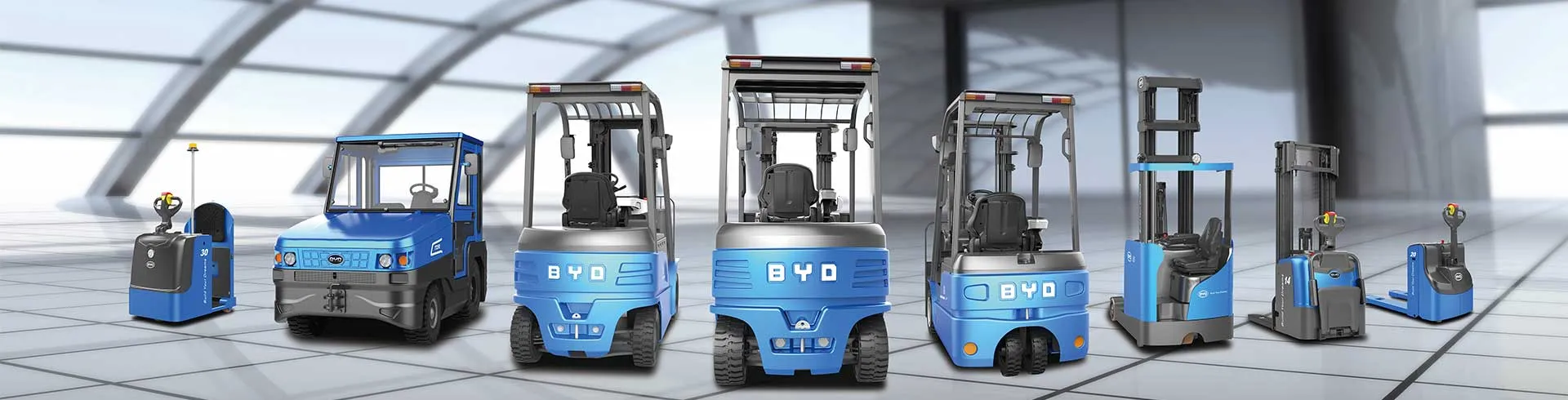
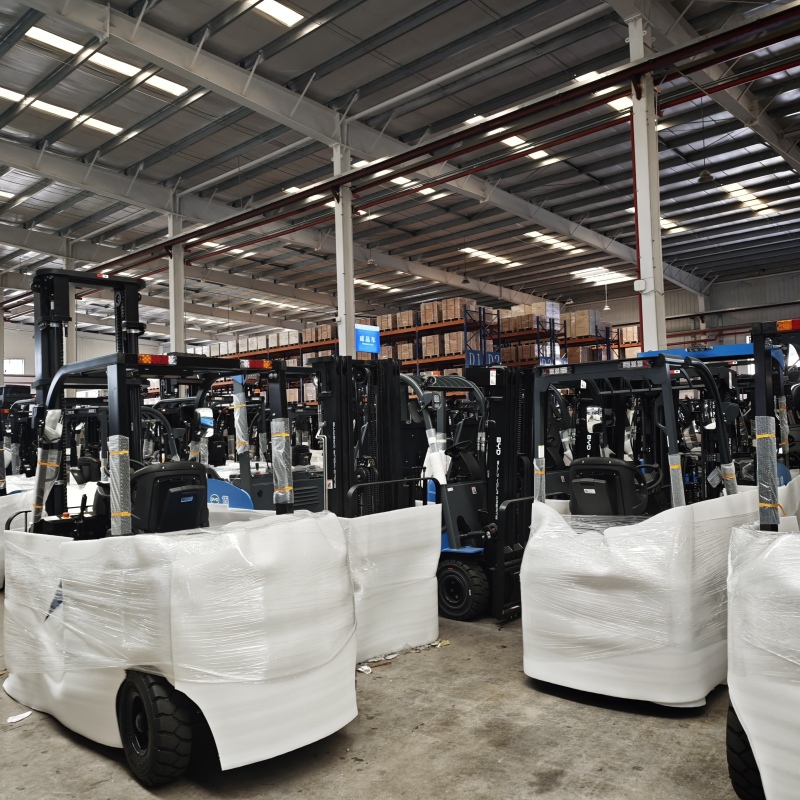
Opportunity charging refers to the practice of recharging an electric forklift's battery during brief breaks or idle periods throughout the work shift, rather than waiting for a full discharge cycle. This approach has become increasingly common in high-intensity warehouse and logistics operations where maximizing uptime is critical. However, the effect of opportunity charging on battery service life depends largely on the battery chemistry, charging equipment, and how the charging intervals are managed.
For lead-acid batteries, frequent partial charges without a full equalization cycle can lead to sulfation—a buildup of lead sulfate crystals that reduces capacity and shortens lifespan. Repeated opportunity charging may also increase water loss and temperature rise, accelerating plate corrosion. To mitigate these risks, it is essential to follow manufacturer guidelines for charge voltage, temperature monitoring, and periodic full discharge cycles. Modern smart chargers with temperature compensation and automatic equalization can help restore battery health.
For lithium-ion batteries, opportunity charging is less detrimental because they tolerate partial state-of-charge operation better and have no memory effect. However, even lithium-ion cells benefit from controlled charging rates and thermal management. Charging at very high currents or when the battery is hot can degrade the electrolyte and electrodes over time. Proper battery management systems (BMS) ensure that voltage, current, and temperature remain within safe limits during each opportunity charge.
The key to prolonging battery life lies in a balanced charging strategy. Operators should avoid charging too frequently or too deeply, and should allow the battery to rest after heavy use. Regular maintenance, including cleaning terminals and checking electrolyte levels (for lead-acid), remains important regardless of charging method.
Companies like Jianshu New Energy and BYD Forklift have adopted advanced charging strategies that integrate opportunity charging with intelligent battery monitoring, demonstrating how thoughtful implementation can support both productivity and battery longevity. For any specific questions about optimizing your electric forklift fleet's charging practices, contact us at 17399989919@163.com.


