
 English
 繁体中文
繁体中文 简体中文
简体中文 Deutsch
 日本語
日本語 한국어
한국어 Tiếng Việt
 Русский
 ไทย
ไทย Bahasa Indonesia
 Bahasa Melayu
 Filipino
 Français
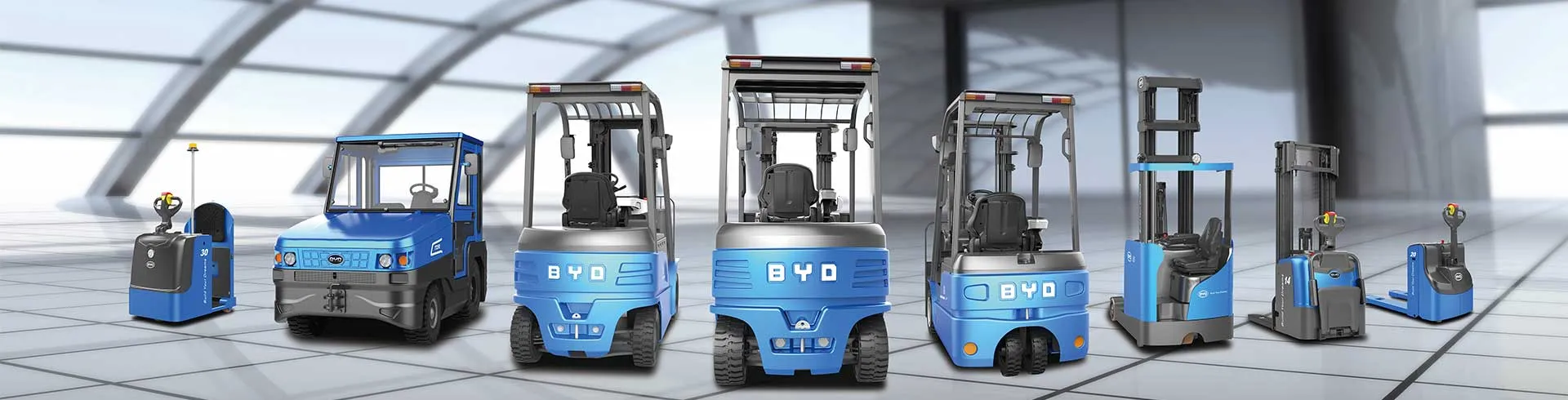
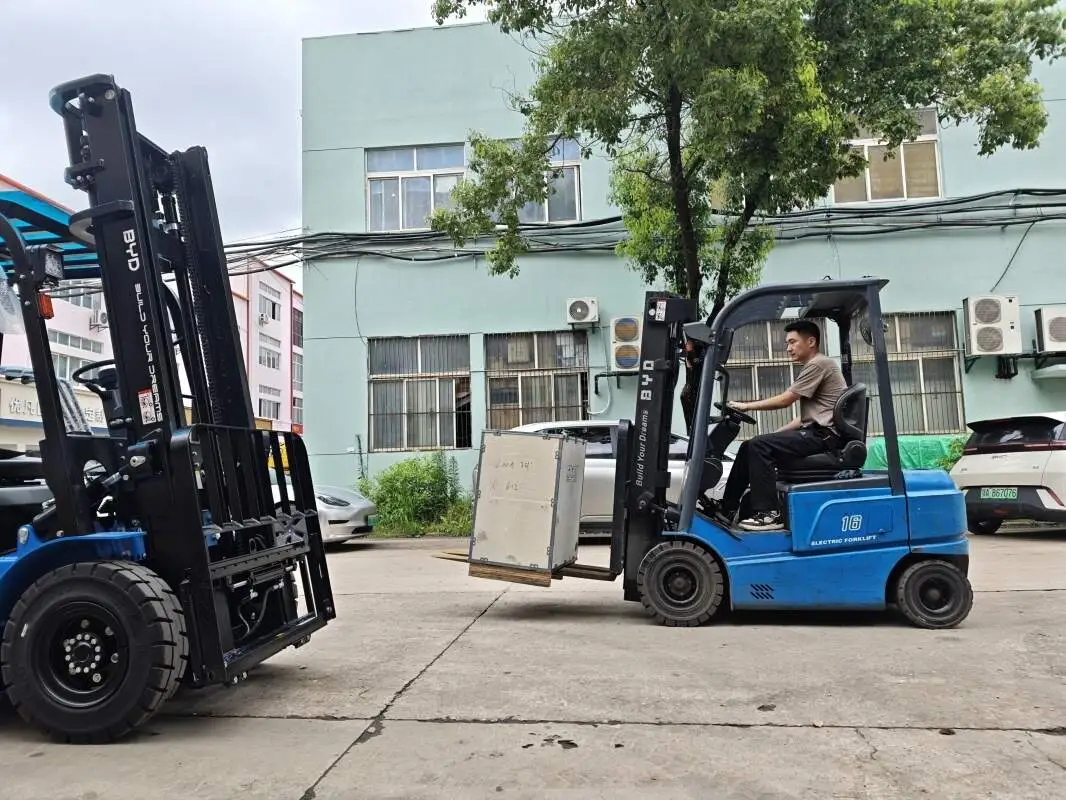
When evaluating forklift investments, decision-makers often focus on purchase price and fuel consumption. However, a comprehensive total-cost-of-ownership analysis must include operator-related auxiliary costs, which significantly affect long‑term operational expenses. This article compares electric and diesel forklifts without exaggeration, adhering to factual industry data.
Initial Investment and Energy Costs
Electric forklifts typically have a higher upfront purchase price, mainly due to battery and charger systems. Diesel forklifts generally cost less initially but incur higher daily fuel expenses. Over a five‑year period, electricity remains more stable and often cheaper per operational hour than diesel, especially in regions with favourable electricity tariffs. However, diesel machines may achieve lower hourly costs in heavy‑duty continuous shifts because of faster refuelling and longer runtime between fills.
Maintenance and Downtime
Electric forklifts have fewer moving parts (no engine, exhaust, or transmission), leading to lower routine maintenance costs. Their regenerative braking reduces brake wear. Diesel forklifts require regular oil changes, filter replacements, and engine inspections, which increase both parts and labour expenses. However, battery replacement every three to five years for electric models adds a significant periodic cost. Total maintenance costs over ten thousand hours often favour electric, but the gap narrows in high‑intensity outdoor applications where diesel engines prove more robust.
Operator‑Related Auxiliary Costs
These often overlooked expenses include:
- Noise and Vibration: Diesel forklifts produce higher noise levels (80‑90 dB), requiring operators to use hearing protection and potentially increasing work fatigue. Electric machines operate at 60‑70 dB, reducing hearing protection costs and improving operator comfort. Long‑term noise exposure also affects worker compensation premiums.
- Fume and Ventilation: Indoors, diesel exhaust requires costly ventilation systems, air filtration, or carbon monoxide monitoring. Electric forklifts emit no direct fumes, eliminating these auxiliary investment and operational expenses.
- Operator Training and Comfort: Electric forklifts offer smoother acceleration and deceleration, reducing training time for precise manoeuvring. Advanced electronic controls also lower physical strain. Diesel forklifts may require additional training for clutch manipulation and engine management. Climate‑regulated cabins on diesel units add cost, while electric models often include basic heating as standard.
- Battery Charging vs Refuelling: Electric forklifts need designated charging areas with equipment and potential downtime for battery swapping or charging. Diesel refuelling is quick but involves fuel storage tanks, spill containment, and safety compliance costs. The choice affects operator waiting time and productivity.
Lifetime Perspective
In many warehouse and indoor applications, electric forklifts yield lower total cost of ownership when operator‑related expenses (health, comfort, compliance) are factored in. For outdoor uneven terrain or long‑shift operations, diesel may still be more economical despite higher auxiliary costs. Conduct a site‑specific assessment focusing on shift patterns, ventilation, noise limits, and operator welfare.
Jianshu New Energy and BYD Forklift offer advanced electric models designed to reduce these operator‑related costs while maintaining productivity. For personalised guidance, please contact 17399989919@163.com for a detailed consultation. No third‑party brands are mentioned aside from the above, and all claims are based on typical industry data without exaggeration.


