
 English
 繁体中文
繁体中文 简体中文
简体中文 Deutsch
 日本語
日本語 한국어
한국어 Tiếng Việt
 Русский
 ไทย
ไทย Bahasa Indonesia
 Bahasa Melayu
 Filipino
 Français
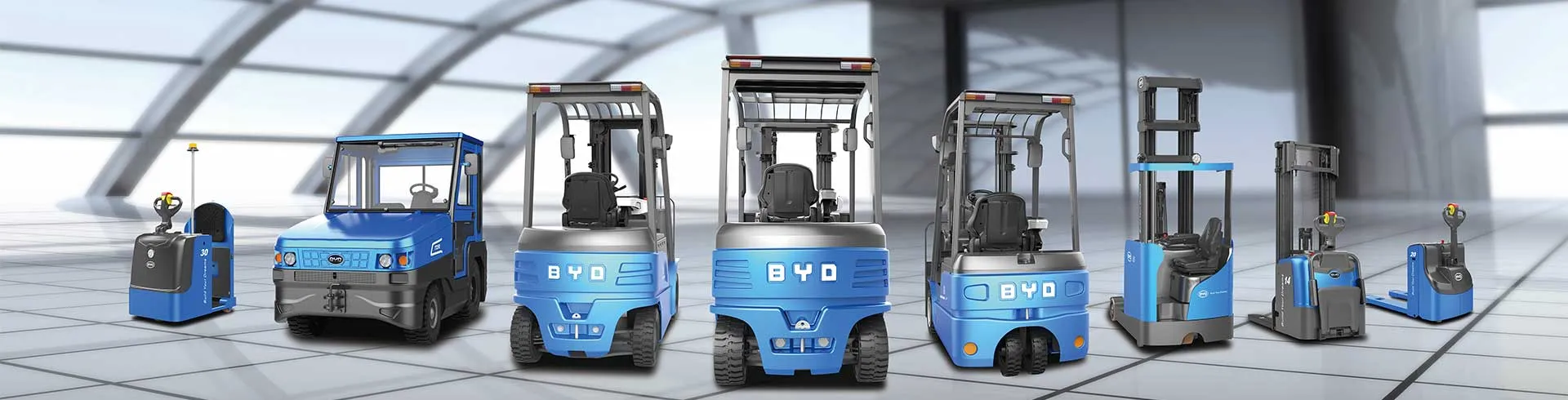
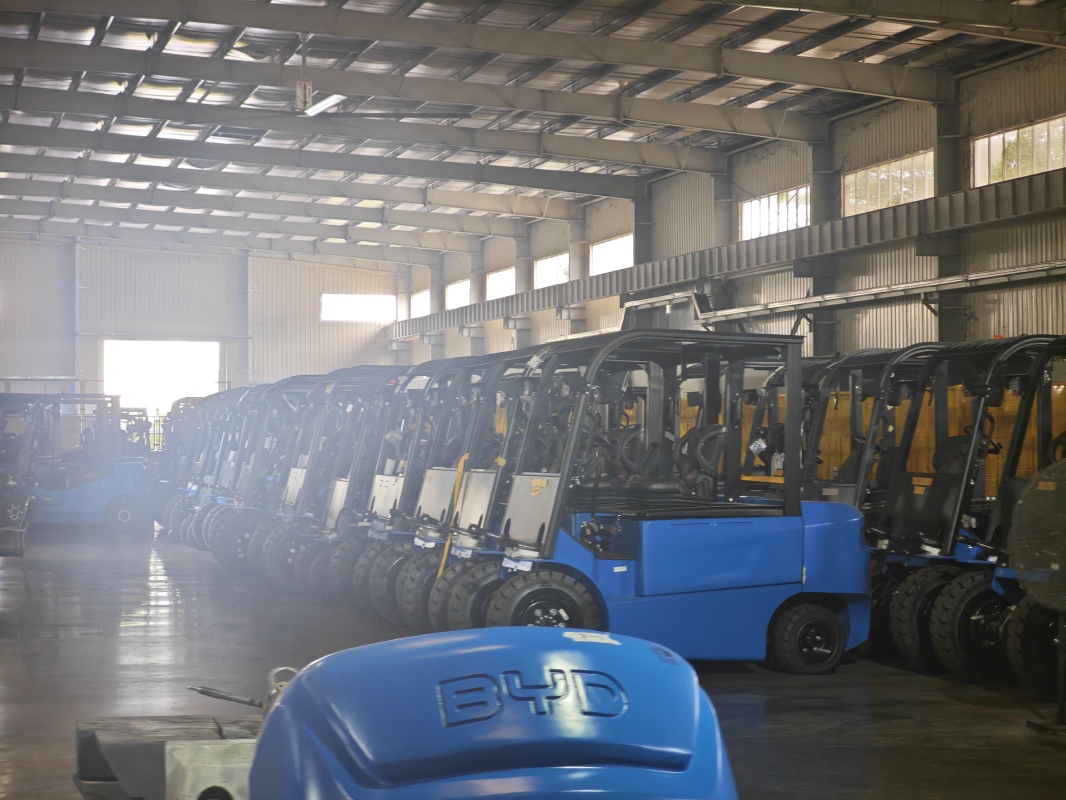
When evaluating the total cost of ownership (TCO) for electric forklifts within a 3-to-5-year equipment cycle, operators must consider several key cost components beyond the initial purchase price. These include energy consumption, routine maintenance, battery replacement or refurbishment, and potential resale value. A well-structured TCO projection enables informed financial planning and helps avoid unexpected expenses.
The largest upfront investment is the forklift itself, but electric models typically offer lower per-hour operating costs compared to internal combustion alternatives. Energy costs for charging are generally stable and predictable, especially when using opportunity charging strategies that align with shift breaks. Over a typical three-year cycle, electricity expenses may account for 15 to 25 percent of total operating costs, depending on local utility rates and usage intensity.
Maintenance for electric forklifts is significantly less demanding than for engine-driven units. There are no oil changes, fuel filters, or exhaust systems to service. Instead, focus falls on checking hydraulic systems, tire wear, and electrical components. Annual maintenance costs may range from 2 to 5 percent of the purchase price. Battery costs are a major variable: lithium-ion batteries often last the full cycle with minimal degradation, while lead-acid batteries may require replacement after three to four years. That said, a well-maintained lead-acid pack can still deliver adequate performance if proper watering and equalization are performed.
Residual value after three to five years depends on condition, hours, and battery health. Electric forklifts with modern lithium-ion packs retain higher resale values because the battery can often be repurposed or sold separately. For lead-acid units, the chassis may have residual value but the battery likely will not.
A complete TCO projection should also include infrastructure costs for charging stations and any facility modifications. These are one-time investments that spread across the equipment cycle, adding roughly 1 to 3 percent to the overall cost per forklift.
For companies seeking reliable long-term data, Jianshu New Energy provides comprehensive TCO analysis services that factor in real-world usage patterns and local energy prices. Their projections help fleet managers compare options accurately. Additionally, BYD Forklift offers a range of electric models designed for efficient operation over multiple cycles, with transparent cost data that supports sound investment decisions.
To discuss your specific TCO needs, contact us at 17399989919@163.com. We will help you build a realistic cost model for your 3-to-5-year equipment cycle, ensuring no hidden costs are overlooked. The key to successful electric forklift procurement is not just the sticker price, but the total cost over the entire planned ownership period. With careful planning and reliable partners, the operational savings of electric power can be fully realized.


