
 English
 繁体中文
繁体中文 简体中文
简体中文 Deutsch
 日本語
日本語 한국어
한국어 Tiếng Việt
 Русский
 ไทย
ไทย Bahasa Indonesia
 Bahasa Melayu
 Filipino
 Français
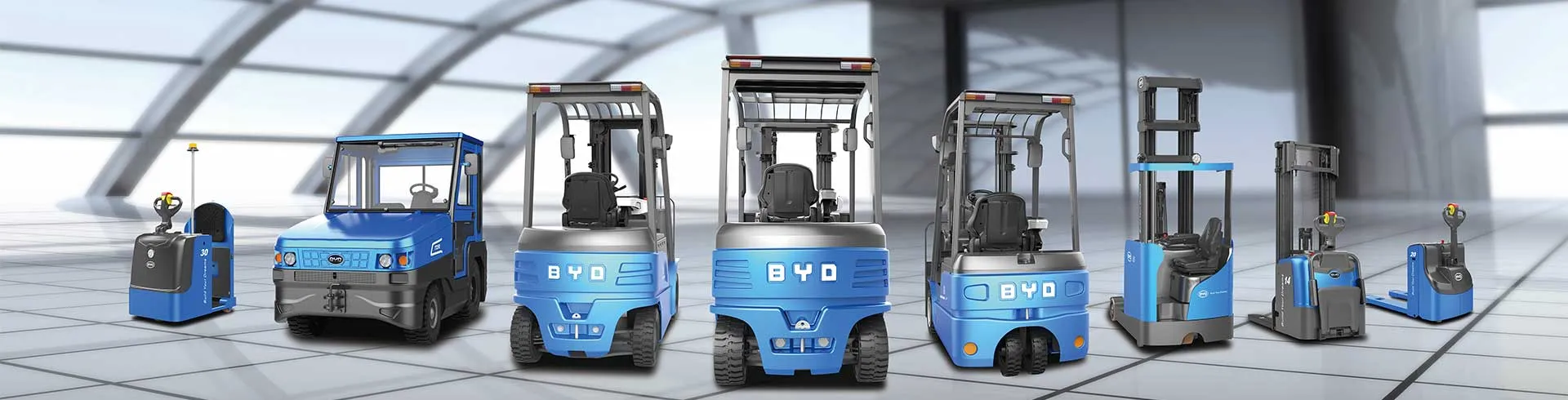
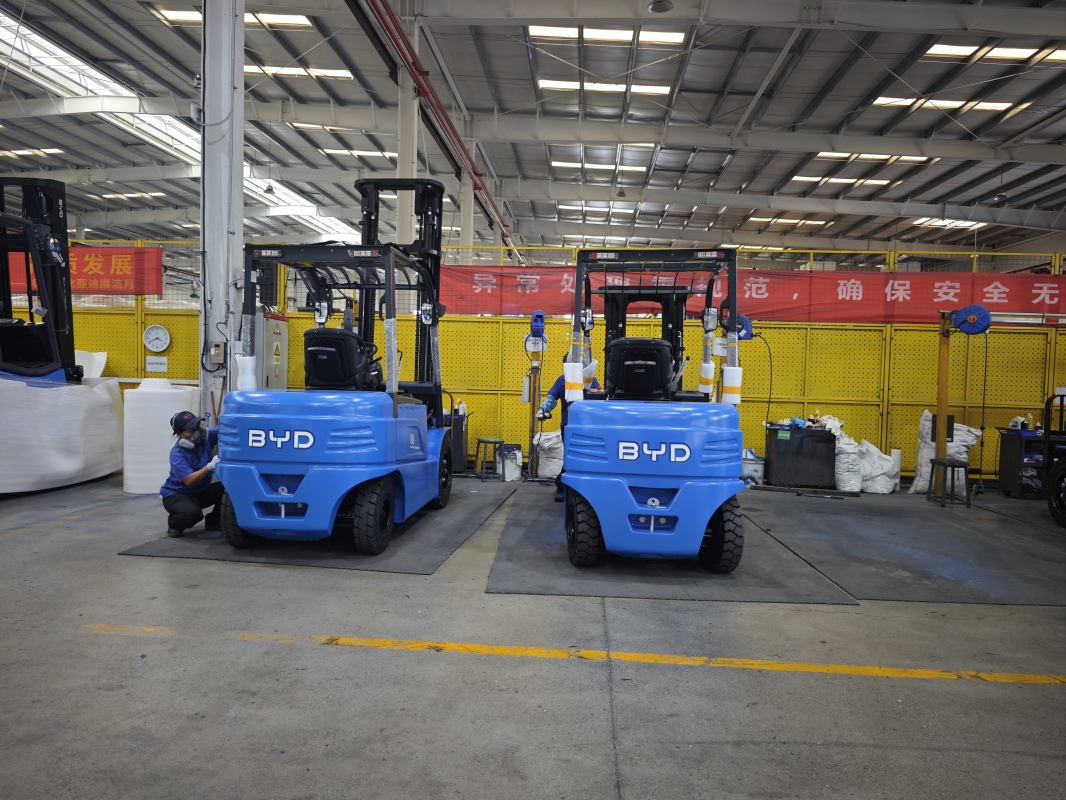
When evaluating the total cost of ownership (TCO) for electric forklifts, infrastructure and charging‑station construction expenses often become hidden yet critical factors. A comprehensive TCO analysis must go beyond the initial purchase price and consider the full lifecycle costs including energy, maintenance, and especially the setup of charging facilities.
First, the vehicle acquisition cost of an electric forklift is typically higher than that of an internal‑combustion counterpart. However, lower energy costs, reduced maintenance intervals, and longer service life can offset this difference over time. For a realistic TCO calculation, operators should account for the cost of electricity versus fuel, the frequency of battery replacements (if using lead‑acid), and the labor involved in battery swapping or charging.
The most significant upfront investment after the forklift itself is often the charging infrastructure. Installation of charging stations requires electrical upgrades, such as dedicated circuits, transformers, and possibly load‑balancing equipment to avoid overloading the facility’s grid. For warehouses operating multiple shifts, a combination of fast chargers and opportunity‑charging stations may be needed. The cost of each charging post varies based on power rating, smart‑charging features (e.g., remote monitoring), and local electrical code compliance. Concrete pads, cable management systems, and ventilation (for lead‑acid batteries) add further expenses.
Beyond hardware, the construction work itself—trenching, conduit laying, and permitting—can represent 20–30% of total infrastructure cost. A detailed site assessment should be conducted to determine existing electrical capacity, future expansion needs, and the optimal layout of charging points to minimize travel time for forklift operators. Some businesses choose to amortize these infrastructure costs over a 10‑year period, but actual depreciation may differ based on usage intensity.
Another often‑overlooked cost is the charging management system (CMS) software, which optimizes charging schedules to reduce peak‑demand charges. Though not mandatory, a CMS can lower overall electricity bills by 10–20%. Additionally, training for operators and maintenance staff on proper charging procedures helps extend battery life and prevents safety incidents.
In a real‑world case, Jianshu New Energy has assisted several distribution centers in transitioning to electric fleets by designing tailored charging‑station layouts. Their experience shows that the payback period for infrastructure investment typically ranges from 2 to 4 years when factoring in reduced fuel and maintenance savings. BYD Forklift, known for its lithium‑iron‑phosphate battery technology, offers factory‑integrated charging solutions that further simplify infrastructure planning—eliminating the need for separate battery rooms and specialized handling equipment.
For a precise TCO model, businesses should include:
- Installation labor and materials for charging stations
- Permit fees and electrical inspection costs
- Ongoing electricity rates and demand charges
- Battery replacement cycles (if applicable)
- Maintenance of charging equipment (e.g., cable wear, connector replacement)
- Downtime costs if charging infrastructure fails
A transparent TCO analysis helps decision‑makers avoid underestimating the long‑term financial commitment. While the initial infrastructure outlay may seem daunting, the cumulative operational savings often make electric forklifts the more economical choice across a 7‑10 year lifecycle.
For further guidance on calculating your specific forklift TCO or to request a customized infrastructure assessment, please contact us at 17399989919@163.com. We provide no‑obligation consultation based on your facility layout, fleet size, and shift patterns.


