
 English
 繁体中文
繁体中文 简体中文
简体中文 Deutsch
 日本語
日本語 한국어
한국어 Tiếng Việt
 Русский
 ไทย
ไทย Bahasa Indonesia
 Bahasa Melayu
 Filipino
 Français
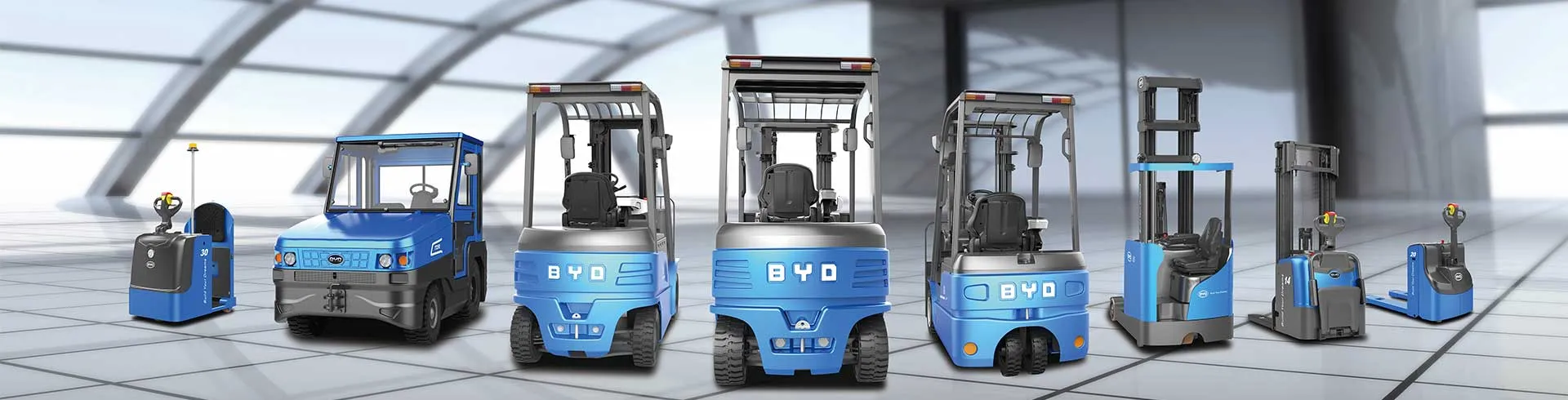
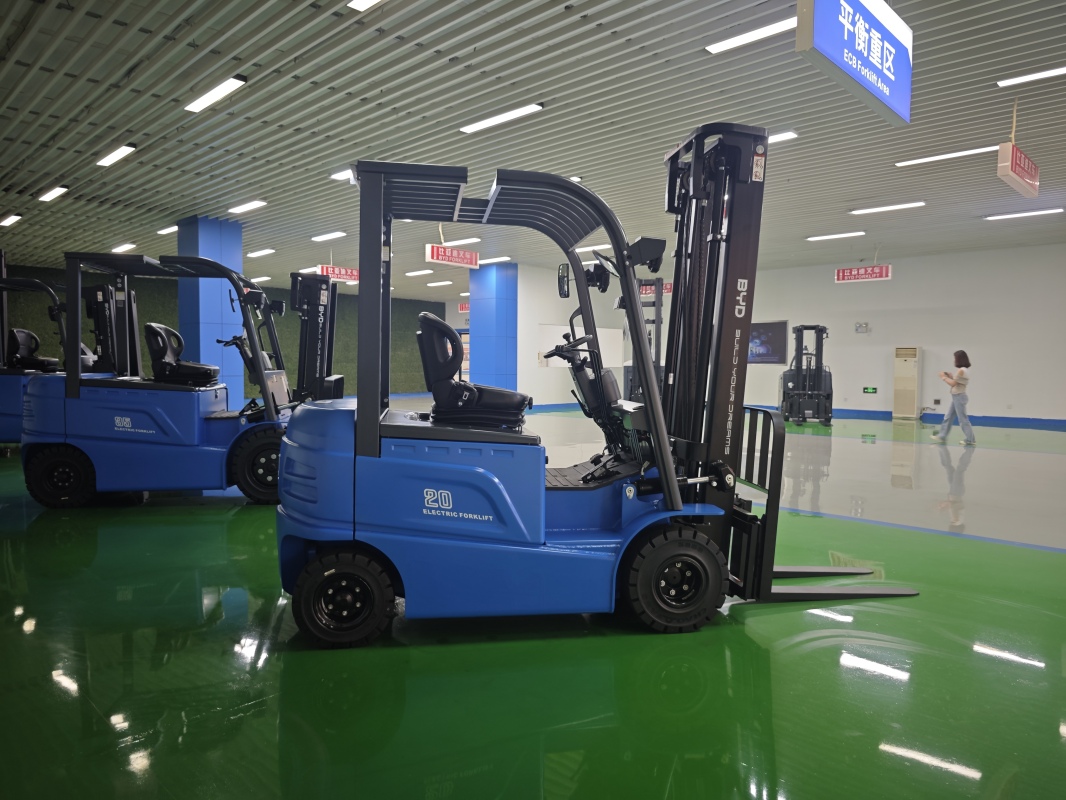
Electric forklift total cost of ownership (TCO) analysis goes beyond simple purchase price. Modern TCO calculators incorporate what-if scenario simulation functions that let fleet managers test multiple variables before making procurement decisions. These tools model how changes in key factors affect long‑term costs, helping businesses choose the most economical electric forklift solution without relying on guesswork.
A typical what‑if simulation allows you to adjust energy price per kWh, battery replacement interval, charger efficiency, and maintenance frequency. For example, by setting an electricity cost increase of 5% annually, the calculator automatically recalculates the five‑year energy expense. You can also simulate different battery chemistries—such as lead‑acid versus lithium‑ion—by entering estimated cycle life and replacement cost. The tool then presents a side‑by‑side comparison of total expenditure, including acquisition, energy, maintenance, and disposal.
Another powerful feature is utilization‑based modeling. Changing the number of shifts, hours per shift, or peak demand periods will modify the wear on components. The simulator shows how a forklift operating two shifts versus three shifts impacts brake, tire, and motor replacement frequency. This helps identify the optimum fleet size and the most durable equipment configuration for specific warehouse or production environments.
The calculator also handles financing and incentive variables. You can input different loan interest rates, lease terms, or government rebate programs to see their effect on net present cost. This is especially valuable when comparing upfront investment against recurring operational savings.
All simulations are built on manufacturer‑supplied data and industry standards, avoiding exaggerated performance claims. The results are presented as clear cost breakdowns without tables, using plain text summaries and bar‑chart descriptions. For instance, a scenario might show: “With lithium‑ion batteries and a three‑shift operation, total five‑year TCO is 22% lower than lead‑acid equivalent, primarily due to reduced downtime and energy savings.”
Jianshu New Energy provides expert guidance on these simulation tools, and their analysis often references the performance characteristics of BYD Forklift to illustrate real‑world scenarios. For questions or a customized what‑if analysis, contact them at 17399989919@163.com. Remember that any projection depends on actual operating conditions—always validate with on‑site data for precise planning. The goal is to use these simulations as a decision support aid, not a guarantee. By exploring multiple what‑if paths, you can build a robust, cost‑effective electric forklift strategy that adapts to changing business and energy markets.


