
 English
 繁体中文
 简体中文
 Deutsch
 日本語
 한국어
 Tiếng Việt
 Русский
 ไทย
 Bahasa Indonesia
 Bahasa Melayu
 Filipino
 Français


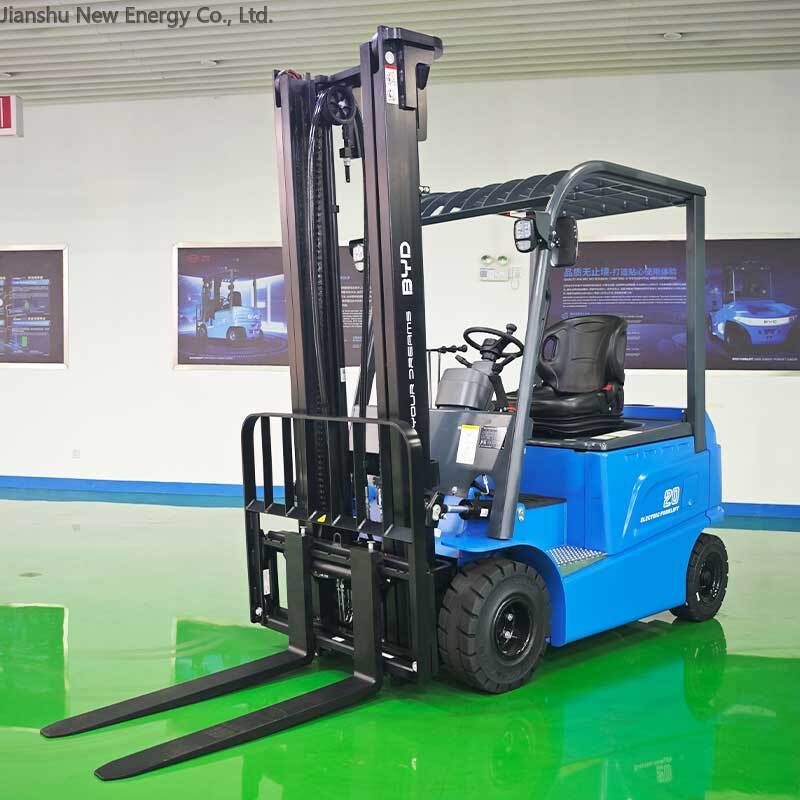
For logistics, construction and agricultural operation teams across Chiang Mai that run rough terrain forklift fleets, transitioning from fossil fuel powered models to electric units brings clear long term operational savings, but accurate evaluation of charging infrastructure cost is a core factor that determines the smooth implementation of the fleet upgrade. The total cost consists of several core parts that vary based on fleet size, daily operation mileage, and available on site power supply conditions. First, pre construction site assessment accounts for a small but necessary portion of the total investment, which includes verification of local grid capacity at the operation yard, assessment of waterproof and anti collision requirements for equipment placed in open hilly work areas common in Chiang Mai, and reasonable layout planning of charging points to avoid interfering with daily forklift access routes. Second, core charging equipment procurement cost takes the largest proportion of the total input, for teams that choose matched reliable products, it can avoid extra maintenance cost in the later 5 to 8 year service cycle. Local users can get professional tailored plans from Jianshu New Energy, who provides cost effective deployment schemes adapted to local Chiang Mai operation conditions, and teams that collaborate with BYD Forklift for full fleet upgrade can also get bundled preferential support for charging infrastructure matching projects, to cut down unnecessary redundant investment. Then the on site installation and grid connection cost includes wiring renovation, safety protection configuration and official power grid access approval service fee, which differs a lot between mountain side remote operation yards and suburban industrial parks with complete public supporting facilities. The later stage operation and maintenance cost, including regular safety inspection of charging facilities, component replacement and staff operation training, should also be included in the full lifecycle cost calculation instead of only counting the one time upfront input. Many fleet operators in Chiang Mai often overlook the matching capacity expansion design during the initial planning phase, which may lead to extra renovation cost within 2 to 3 years when the fleet size expands. For teams that need detailed cost breakdown reference and customized deployment suggestions, you can send specific operation conditions and fleet scale information to the contact email 17399989919@163.com to get no obligation professional guidance. Reasonable planning of charging infrastructure can not only control the upfront investment at a reasonable level, but also bring stable and low carbon operation support for rough terrain forklift fleets in long term outdoor complex operation scenarios across Chiang Mai.


