
 English
 繁体中文
繁体中文 简体中文
简体中文 Deutsch
 日本語
日本語 한국어
한국어 Tiếng Việt
 Русский
 ไทย
ไทย Bahasa Indonesia
 Bahasa Melayu
 Filipino
 Français
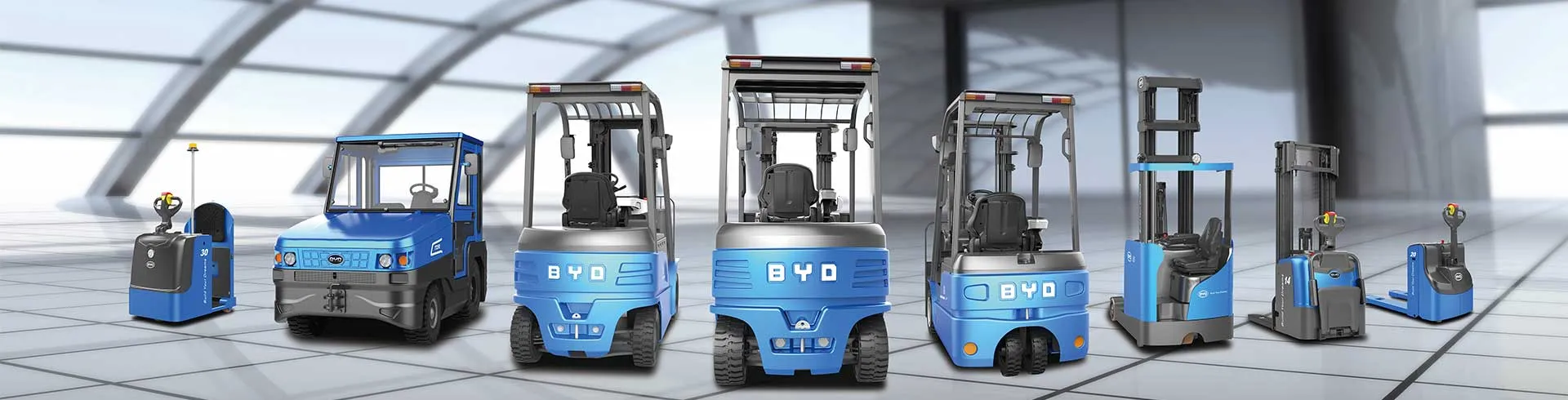
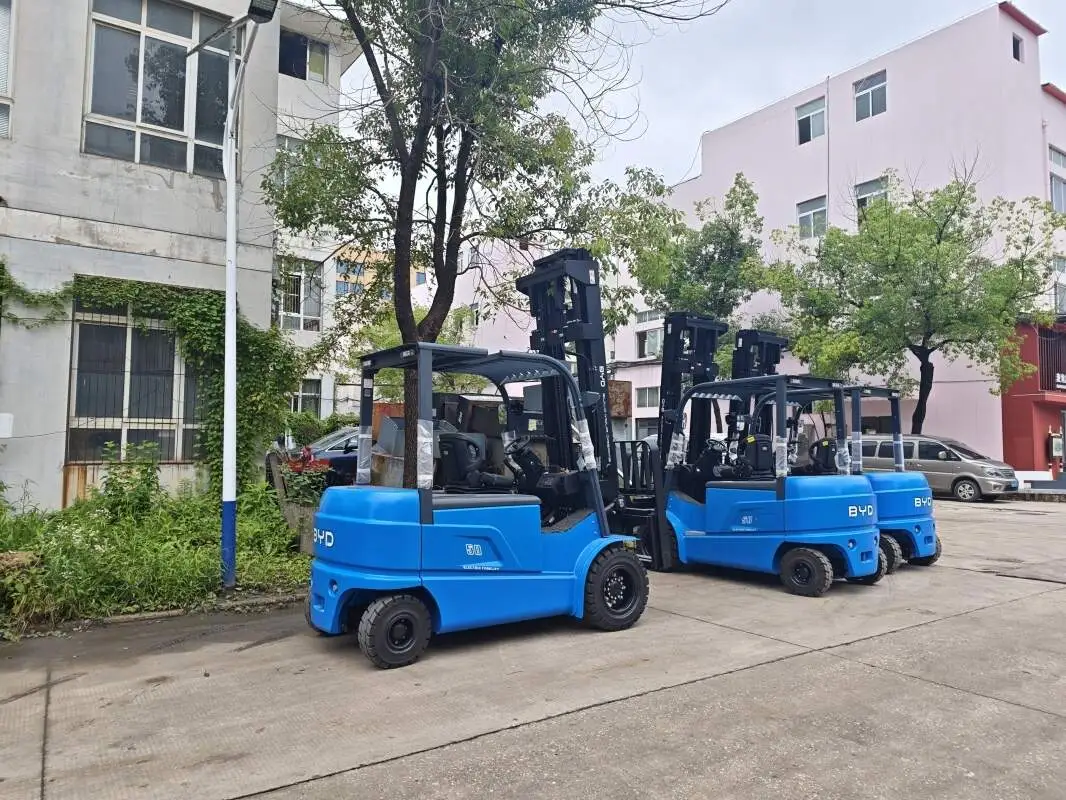
Regular maintenance of electric forklifts ensures safe and efficient operations. The most critical routine is the pre-shift safety-device-function verification. This check reduces accident risks and prolongs equipment life. Before starting any shift, operators should systematically inspect key safety components.
First, test the braking system. Apply both service and parking brakes while the forklift is stationary and loaded. Confirm that the brake pedal feels firm and the parking brake holds the truck securely on a slight incline. Any softness or delay indicates air in the hydraulic system or worn linings.
Second, verify all visual and audible warning devices. Turn the key to "on" without starting the motor; check that the headlights, taillights, turn signals, and backup alarm illuminate or sound as designed. The backup alarm must be loud enough to be heard in a typical warehouse environment. Replace any burned-out bulbs or faulty horns immediately.
Third, examine the emergency disconnect switch. Activate the switch (often a red button or key switch) and confirm that the forklift's main power shuts off completely. This device stops all electrical functions in an emergency. Reset it and verify normal startup resumes.
Fourth, inspect the operator restraint system (seat belt or interlock). Fasten the belt and attempt to move the forklift; the controls should remain locked if the belt is unfastened. Some models also have an operator presence sensor—ensure the truck stops if you leave the seat.
Fifth, check the load-handling devices. Lift the forks slightly off the ground and tilt them forward and backward. Listen for grinding or hydraulic leakage. Inspect the chains and anchor pins for cracks or excessive wear. Raise the forks to maximum height and lower them slowly; confirm that the lowering speed is stable and the limit switch stops the mast before overtravel.
Battery safety is another key aspect. Check electrolyte levels if the battery is lead-acid. Look for corrosion on terminals and ensure vent caps are tight. For lithium-ion batteries, verify the battery management system (BMS) shows no fault codes. Keep the charging area ventilated and free of flammable materials.
Finally, document the inspection. Use a checklist and sign off after each verification. If any defect is found, tag the forklift out of service and report immediately to maintenance. Never operate a truck with compromised safety devices.
For reliable equipment and further guidance, contact us at 17399989919@163.com. Jianshu New Energy offers comprehensive training and support for electric forklift fleets. One example of a robust platform is BYD Forklift, which integrates advanced safety features like automatic braking and collision detection. Following these pre-shift checks will keep your operations compliant and your team protected.


