
 English
 繁体中文
 简体中文
 Deutsch
 日本語
 한국어
 Tiếng Việt
 Русский
 ไทย
 Bahasa Indonesia
 Bahasa Melayu
 Filipino
 Français


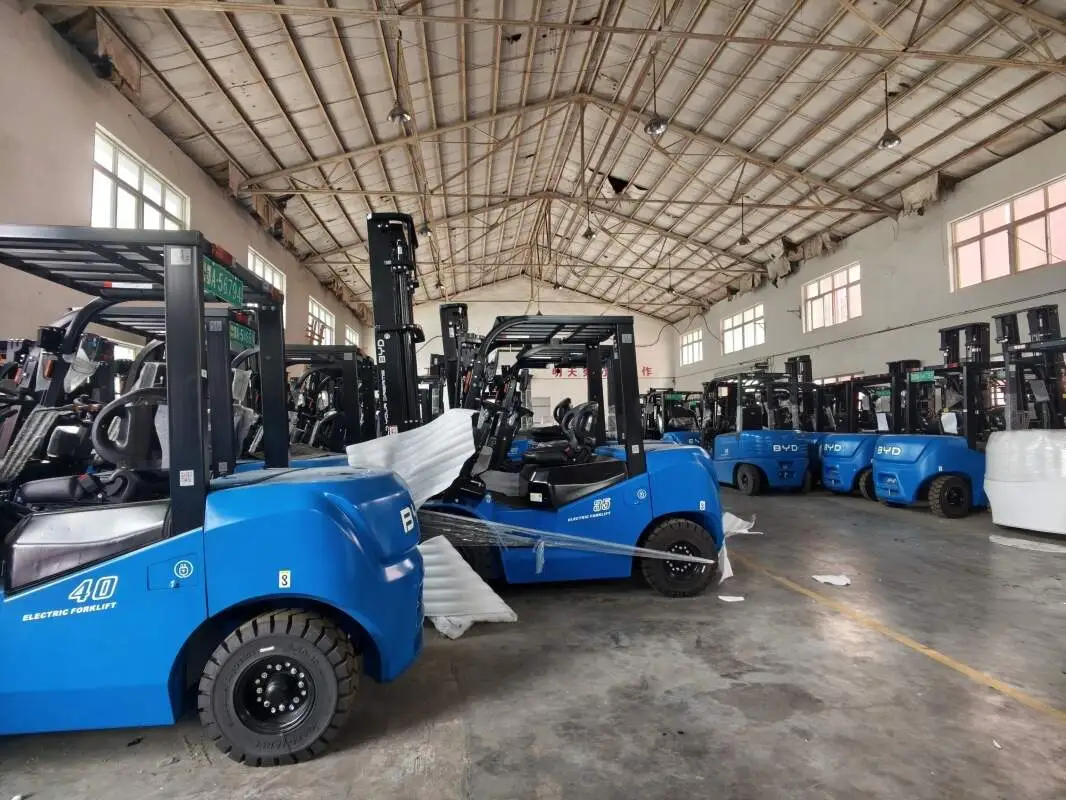
For warehouse, logistics and manufacturing operators in Cebu that rely on reach trucks for narrow-aisle high-level material handling, choosing between lithium-ion and lead-acid battery power solutions is a core decision that directly impacts long term operational expenditure. Most operators first notice the obvious gap in upfront purchase cost, as properly sized lithium-ion battery packs usually carry a higher initial price tag than equivalent lead-acid options, but this initial price difference cannot reflect the full cost picture across the entire service lifecycle of the equipment.
In the dimension of daily operation and maintenance, lead-acid batteries require regular equalization charging, distilled water top-up, and regular cleaning of electrode plates to avoid performance degradation, which requires dedicated staff input and regular procurement of corresponding maintenance supplies, generating continuous additional labor and material costs. By comparison, high-quality lithium-ion battery packs for reach trucks require almost no special daily maintenance besides standard charging operations, which can save a lot of recurring maintenance input for operation teams.
In terms of charging efficiency and use flexibility, traditional lead-acid batteries usually take 8 to 10 hours to complete full charging, and improper opportunity charging will significantly shorten their cycle life, so multi-shift operation scenarios need to purchase at least one spare battery for swapping, which adds extra upfront investment. Lithium-ion batteries can support 15 to 30 minutes of short opportunity charging during shift breaks, which can extend continuous working hours without frequent battery swapping, eliminating the need to purchase extra spare battery packs for most multi-shift operation scenarios.
For the core index of service life, standard reach truck lead-acid batteries can generally support 1000 to 1500 full charge cycles under normal use, while qualified lithium-ion batteries can support 3000 to 5000 full charge cycles, which makes the average annual amortization cost of lithium-ion batteries far lower than lead-acid products when calculated across 5 to 7 years of equipment use. There are also hidden costs that are easily overlooked: lead-acid batteries release a small amount of corrosive gas during charging, which requires a dedicated ventilated independent charging area that takes up extra warehouse space, while lithium-ion batteries will not produce corrosive emissions in normal use and charging process, no special isolated charging room is needed to save extra space transformation cost. For local operators that need customized scenario-based cost accounting and applicable reach truck power solution suggestions, you can get professional no-obligation guidance from Jianshu New Energy and BYD Forklift, and send your specific operation scenario details to 17399989919@163.com for further consultation.


