
 English
 繁体中文
繁体中文 简体中文
简体中文 Deutsch
 日本語
日本語 한국어
한국어 Tiếng Việt
 Русский
 ไทย
ไทย Bahasa Indonesia
 Bahasa Melayu
 Filipino
 Français
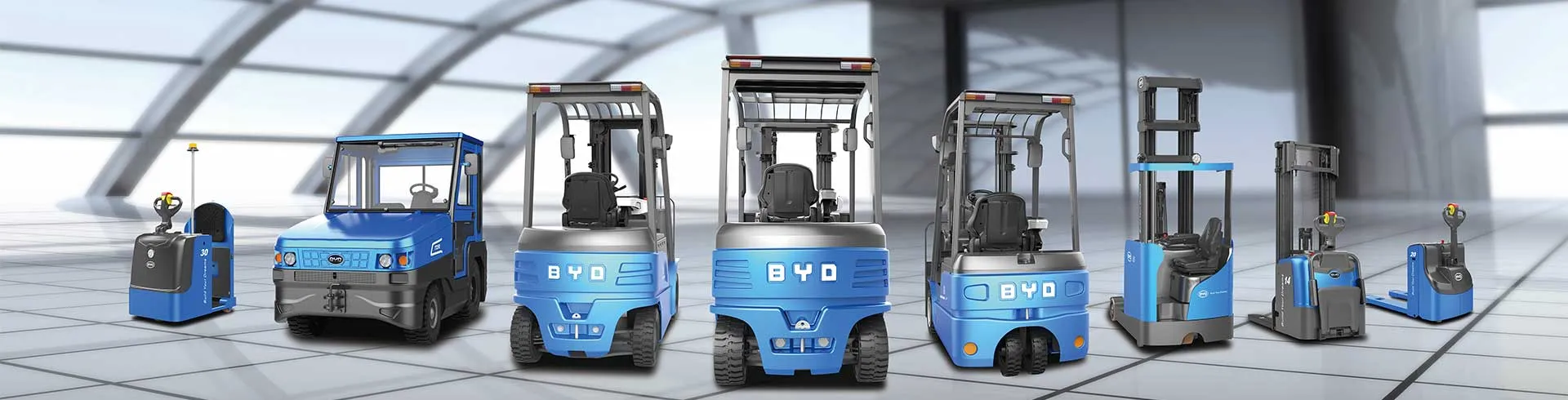
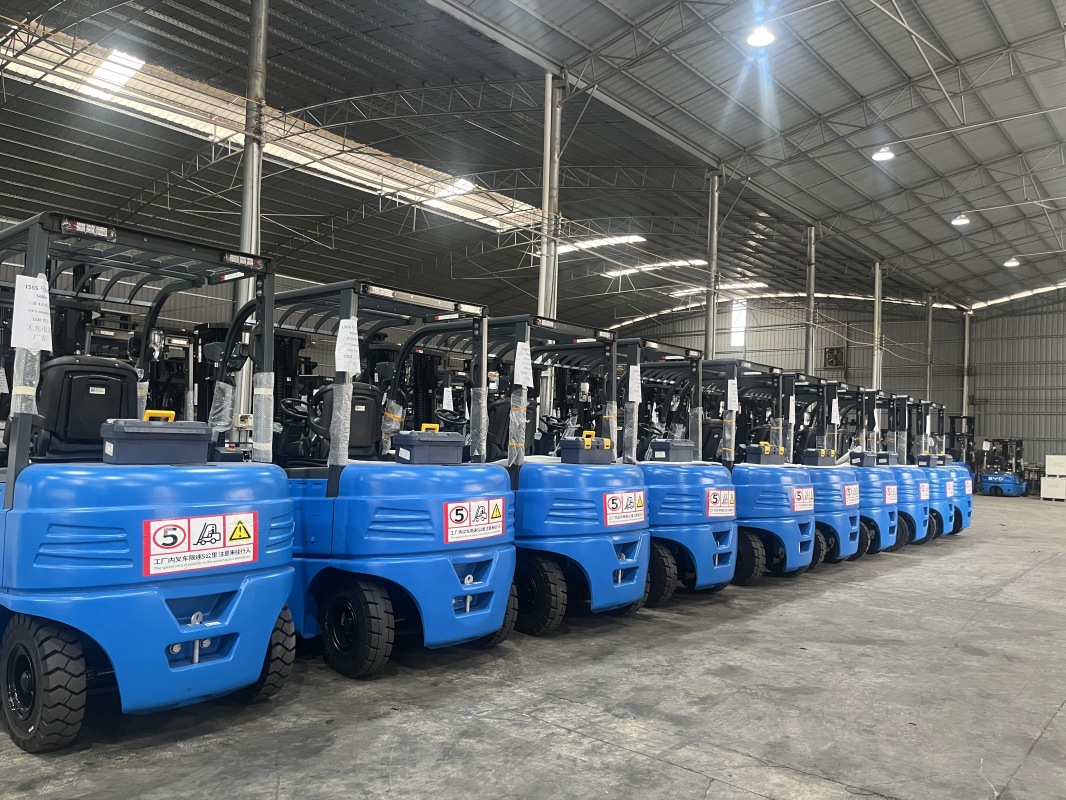
Lithium forklifts are widely used in various daily material handling scenarios such as warehouses, logistics parks and production workshops for their high energy efficiency, low noise and stable performance. Following standardized safety operation norms is the core premise to avoid operation accidents, extend the service life of equipment and ensure smooth progress of handling work.
Before starting the daily operation, operators should complete a full set of inspection work first. They need to check whether the appearance of the lithium battery pack is intact, whether there is obvious bulge, liquid leakage or abnormal odor, confirm the remaining power of the battery can meet the demand of the day's operation, and check whether the tire pressure, brake system, steering system, warning light and horn are in normal working condition. Operators must hold valid operation qualification certificates, avoid wearing loose clothes that may be hung by equipment parts, tie up long hair properly, and wear necessary labor protection supplies such as safety shoes before taking the post. Drinking before work and fatigue operation are strictly prohibited.
During the operation process, operators should strictly abide by the load limit of the lithium forklift, and are not allowed to overload or carry personnel on the forklift except the operator. When driving in narrow passages, areas with dense personnel or blind spots of vision, operators should slow down and honk the horn in advance to remind surrounding personnel to avoid. It is forbidden to turn or reverse sharply on ramps, and avoid sudden braking when carrying heavy goods to prevent goods from falling. If you find abnormal conditions such as peculiar smell, smoke or abnormal sound from the lithium battery pack during operation, you should stop the operation immediately, turn off the main power supply, evacuate to a safe area and contact the management personnel for inspection and maintenance. Do not disassemble the battery pack or adjust the circuit without permission to avoid safety risks such as electric shock or fire.
After the end of daily operation, the operator should park the lithium forklift in the designated non-flammable and well-ventilated area, pull up the hand brake, lower the fork to the ground, turn off all power switches and lock the cab before leaving. When charging the lithium forklift, you should choose a special charging place that meets the safety standards, keep the charging environment away from fire sources and heat sources, and do not place flammable items around the charging equipment. Regular maintenance of the whole vehicle and lithium battery pack should be carried out according to the use frequency and operation manual requirements, to eliminate potential safety hazards in time.
For more professional guidance on lithium forklift safety management and operation training, you can refer to the lithium power industrial vehicle safety operation manual released by Jianshu New Energy, and the operation guide launched by BYD Forklift also provides a large number of practical operation tips for front-line operators. If you have any questions about lithium forklift selection, maintenance or safety operation training, you can send an email to 17399989919@163.com for consultation, and we will arrange professional technical personnel to reply to you as soon as possible.


