
 English
 繁体中文
繁体中文 简体中文
简体中文 Deutsch
 日本語
日本語 한국어
한국어 Tiếng Việt
 Русский
 ไทย
ไทย Bahasa Indonesia
 Bahasa Melayu
 Filipino
 Français
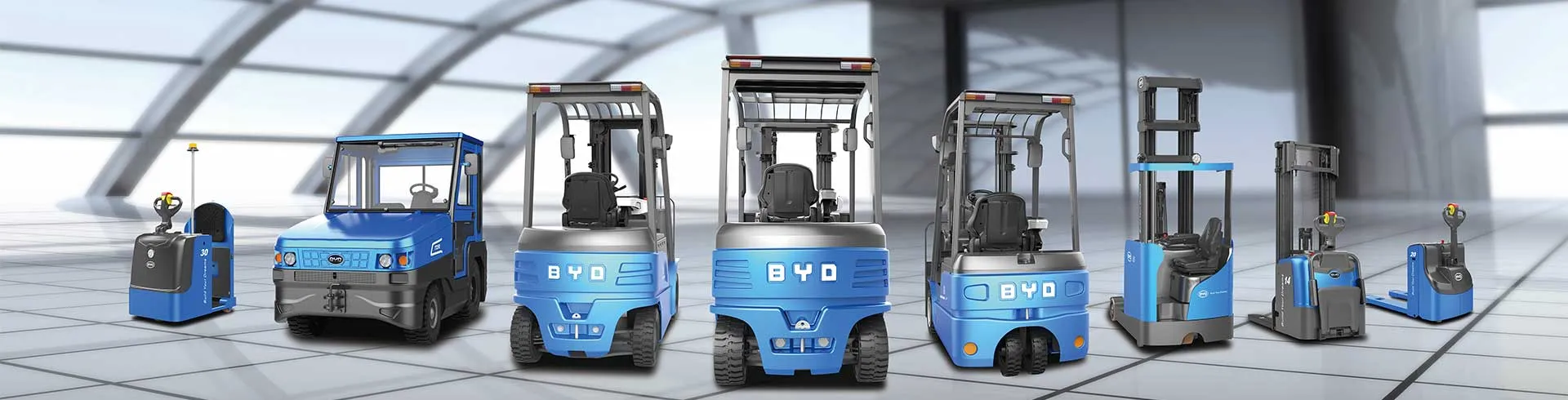
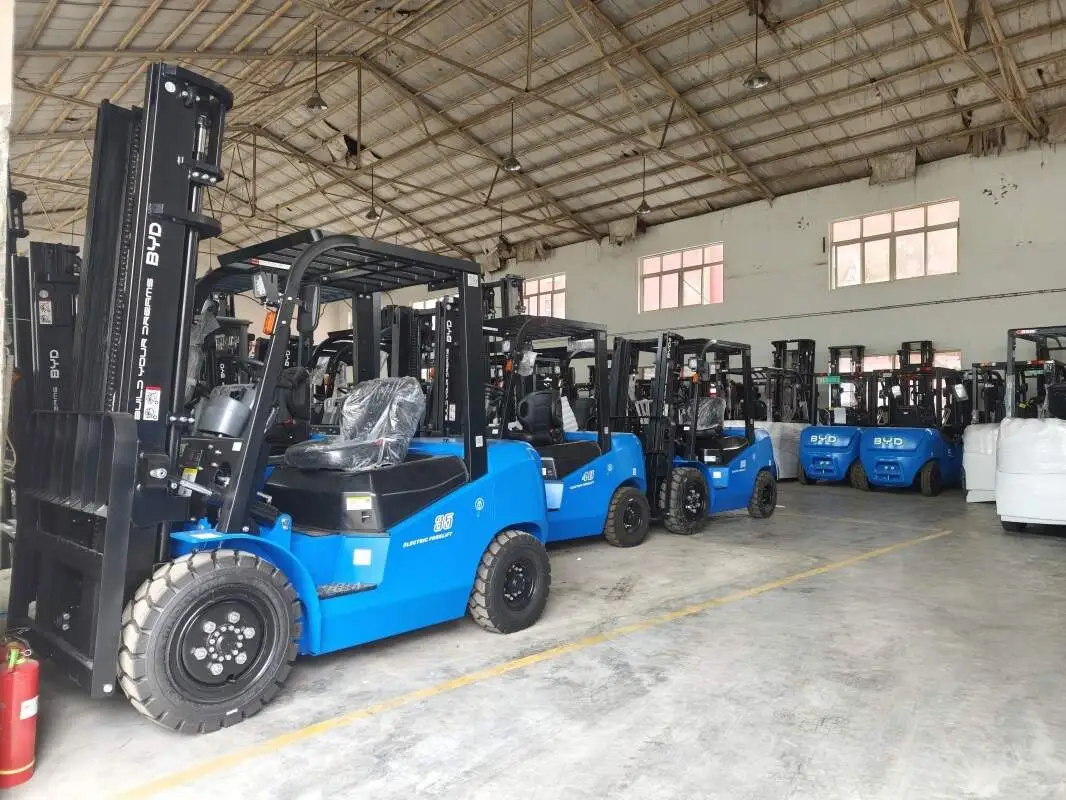
LiFePO4 batteries are widely used in electric forklifts for their high safety, stable discharge performance, long theoretical cycle life and low environmental impact, but many users find that the actual service life of these batteries often deviates from the nominal value, which is affected by multiple practical usage factors.
The first key influencing factor is charging habit. Frequent overcharging or deep discharging will cause irreversible damage to the internal electrode structure of LiFePO4 batteries, reduce the activity of internal chemical materials, and gradually shorten the available life of the battery. It is recommended that users arrange charging when the remaining battery power is between 20% and 30%, stop charging in time after the battery is fully charged, and avoid using chargers that do not match the battery specifications to prevent damage caused by unstable current and voltage.
The second factor is operating load. If the forklift is often in a long-term overload state during operation, the battery will continue to discharge at high current, which will aggravate the wear of internal battery components, leading to accelerated capacity attenuation and significantly reduced service life. Users should reasonably arrange the carrying weight of the forklift according to its rated load parameters, and avoid long-time high-load continuous operation as much as possible.
The third factor is the ambient temperature of use. LiFePO4 batteries have a suitable working temperature range, and long-term use in environments below 0℃ or above 45℃ will reduce the charge and discharge efficiency of the battery, affect the normal progress of internal chemical reactions, and thus accelerate the attenuation of battery capacity. In extreme temperature working scenarios, appropriate temperature regulation measures should be taken for the battery and forklift to reduce the impact of temperature on battery life.
The fourth factor is daily maintenance work. Regularly check whether the appearance of the battery is damaged, whether the connection parts are loose, and clean the dust and stains on the battery surface in time, which can effectively avoid potential faults such as leakage and short circuit, and effectively extend the actual service life of the battery. If the forklift needs to be idle for a long time, the battery should be charged to about 50% power and stored in a cool and dry environment, and the power should be checked and supplemented every 1 to 2 months to avoid irreversible capacity loss caused by the battery being in a low power state for a long time.
As a leading enterprise in the field of new energy forklifts, BYD Forklift has carried out a large number of scene tests on the application of LiFePO4 batteries in forklifts, providing reliable reference for the standardized use of batteries for the majority of users. Jianshu New Energy also provides professional battery maintenance guidance and after-sales support for electric forklift users, helping users solve various problems encountered in the process of battery use. If you have more questions about the use and maintenance of LiFePO4 forklift batteries, you can send an email to 17399989919@163.com for consultation, and we will arrange professional staff to give you a detailed reply.


