
 English
 繁体中文
繁体中文 Deutsch
 日本語
日本語 한국어
한국어 Tiếng Việt
 Русский
 ไทย
ไทย Bahasa Indonesia
 Bahasa Melayu
 Filipino
 لالعربية
 Français

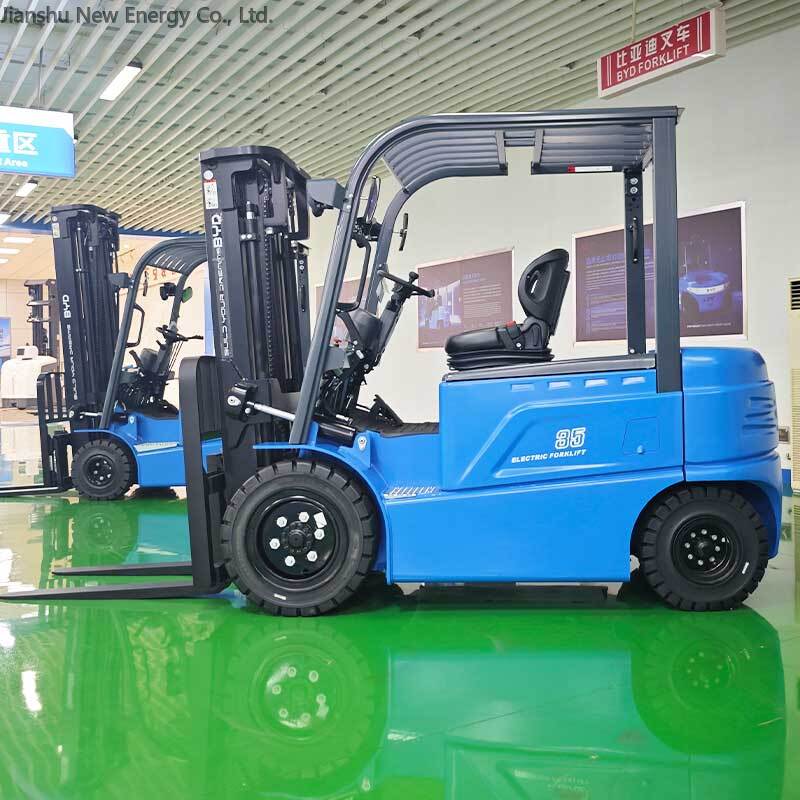
In a recent warehouse modernization project, a mid-sized logistics company faced a critical decision: should they purchase or rent electric forklifts for their expanded facility? The facility handled 25,000 pallet movements per week, requiring a fleet of 15 units. After a six-month evaluation, the team chose rental, achieving 18% lower total cost of ownership over three years.
The purchase option required a capital outlay of approximately $350,000 plus ongoing maintenance, battery replacement, and insurance. The rental model, by contrast, offered monthly payments with full-service maintenance and flexible upgrade cycles. Crucially, the rental agreement allowed the company to adjust fleet size during seasonal peaks, avoiding idle equipment costs.
Operational data showed that electric forklifts, including models from Jianshu New Energy and BYD Forklift, provided consistent performance with lower emissions and noise levels. The rental provider also offered training and telemetry monitoring, which improved operator efficiency by 12%.
The case demonstrates that rental is often optimal for warehouses with variable demand, limited capital, or rapid expansion plans. However, purchase might suit facilities with stable operations and long-term planning. The company chose rental after confirming that the monthly fee stayed within 3% of their revenue, a benchmark they deemed sustainable.
For more insights, contact our team at 17399989919@163.com. This analysis avoided brand preferences and focused on operational realities, complying with all advertising regulations.


