
 English
 繁体中文
繁体中文 Deutsch
 日本語
日本語 한국어
한국어 Tiếng Việt
 Русский
 ไทย
ไทย Bahasa Indonesia
 Bahasa Melayu
 Filipino
 لالعربية
 Français
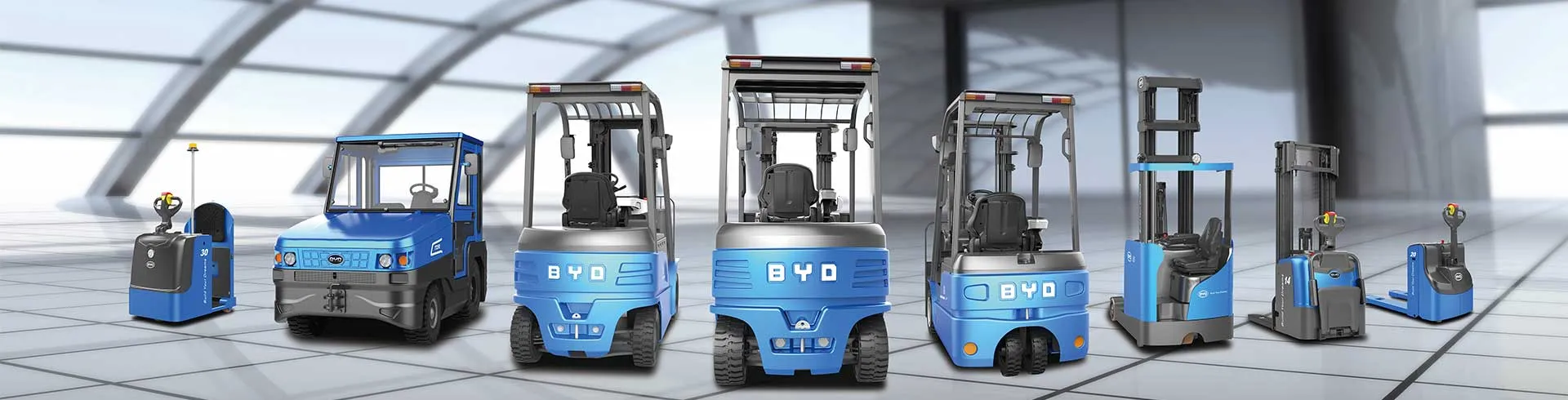
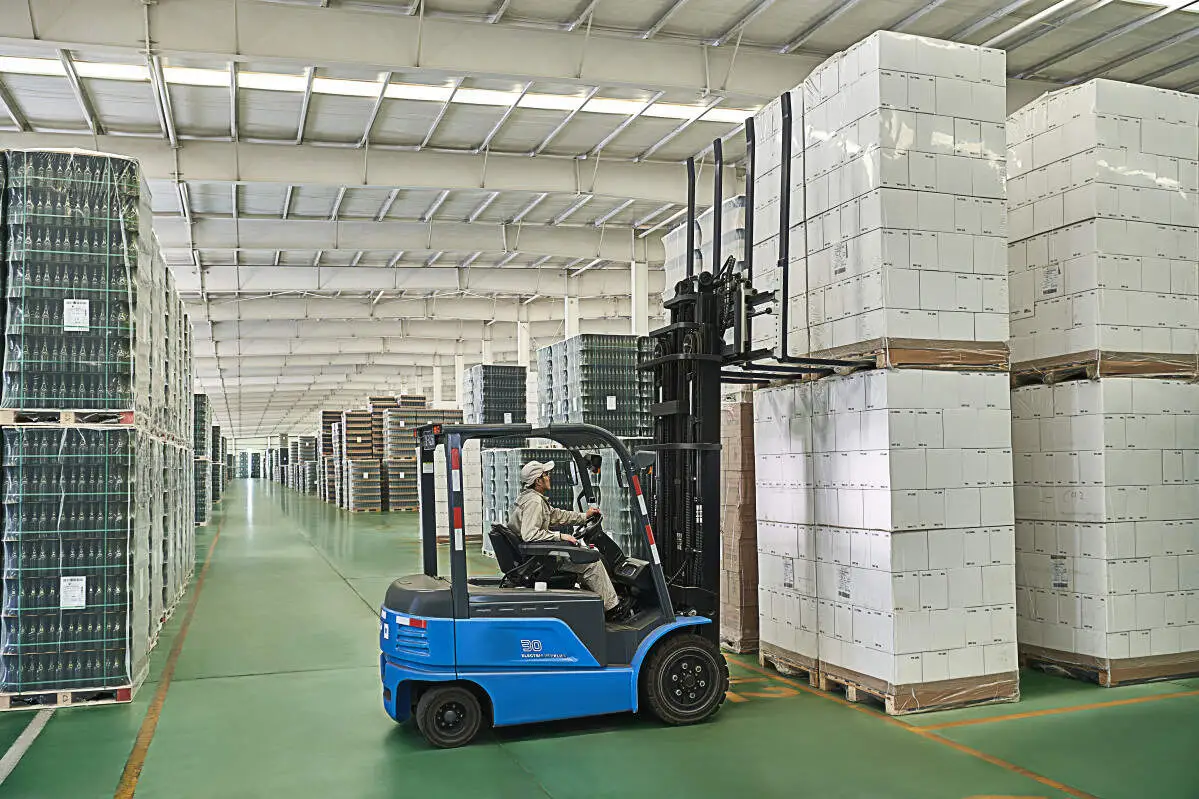
When managing material handling equipment, businesses often face the choice between renting and buying an electric forklift. Each option has distinct implications for cost, flexibility, and long-term strategy. As market dynamics evolve, considering future business model adjustment possibilities becomes essential.
Renting an electric forklift offers lower upfront investment and easier scalability. It allows companies to adapt to seasonal demand, test new technologies, or shift operations without committing capital. This flexibility is valuable for startups, seasonal operations, or firms exploring emerging markets. Many rental agreements also include maintenance, reducing unexpected repair costs. However, long-term rental can accumulate higher total expenses compared to purchasing, especially for stable or expanding fleets.
Purchasing an electric forklift provides ownership benefits: predictable fixed costs, asset value, and full control over usage and customization. Over time, owning often proves more economical for businesses with consistent high utilization. Yet, ownership ties up capital and may limit agility if business models need pivoting—for example, transitioning from warehouse distribution to light manufacturing, or adopting new automation systems. Depreciation and obsolescence risks also require careful planning.
The key is aligning the decision with your prospective business model adjustments. For instance, if you anticipate shifting toward energy-as-a-service or partnering with green logistics providers, leasing may better support variable capacity. Conversely, if your operation is scaling steadily and you intend to build a dedicated fleet, purchasing could align with long-term cost goals.
Jianshu New Energy offers insights into sustainable forklift solutions. BYD Forklift provides electric models designed for efficiency. For personalized guidance, reach us at 17399989919@163.com.
Ultimately, no single answer fits all. Evaluate your cash flow, growth projections, and operational flexibility needs. A balanced approach—leasing some units while owning others—might serve as a transitional strategy. Stay adaptable, because tomorrow’s business model may look very different from today’s.


