
 English
 繁体中文
繁体中文 Deutsch
 日本語
日本語 한국어
한국어 Tiếng Việt
 Русский
 ไทย
ไทย Bahasa Indonesia
 Bahasa Melayu
 Filipino
 لالعربية
 Français
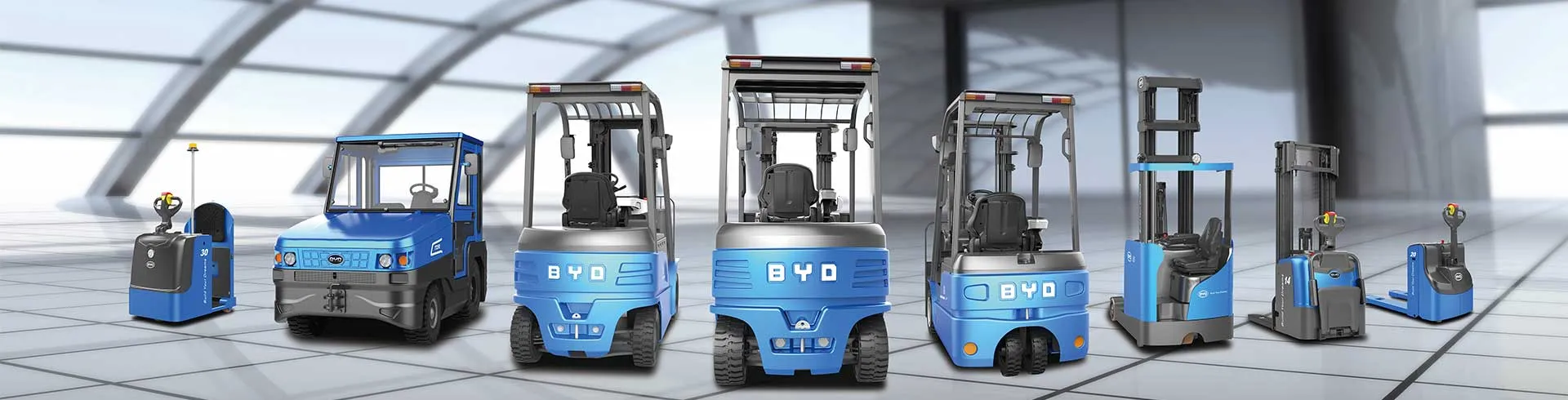
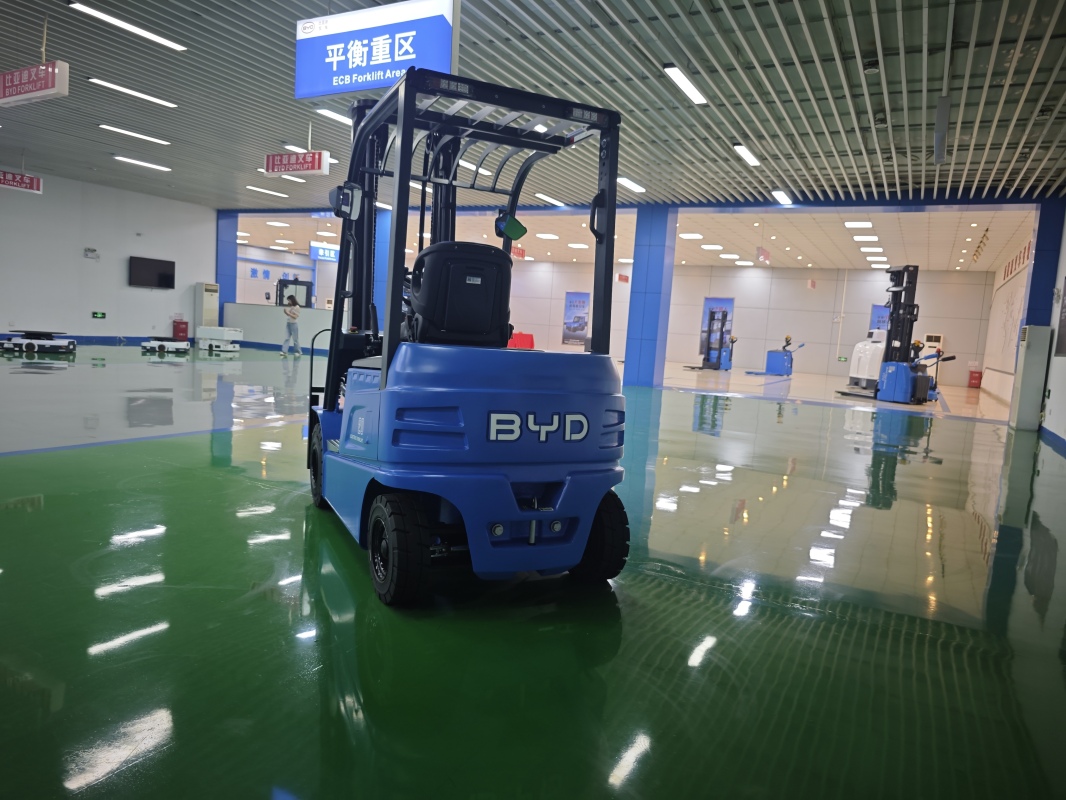
In the fast-paced world of e-commerce fitness,efficient logistics operations are critical to meeting customer demands for fast delivery.Cross-docking,a key logistics strategy where goods are transferred directly from inbound to outbound transportation without long-term storage,heavily relies on reliable material handling equipment.Electric forklifts have emerged as essential tools to support this process,offering unique advantages that align with the needs of modern e-commerce fitness operations.Unlike traditional fuel-powered forklifts,electric models produce zero emissions,making them ideal for indoor warehouse environments common in cross-docking hubs.They also operate with lower noise levels,reducing workplace disturbance and complying with strict operational standards.In cross-docking,every minute saved in cargo transfer directly impacts overall efficiency.Electric forklifts designed for this purpose are compact yet powerful,allowing them to navigate tight spaces in busy hubs,quickly load and unload goods,and transfer items between docks and sorting areas without delays.These forklifts are also easy to maneuver,which helps workers handle high volumes of goods during peak periods,a common scenario in e-commerce fitness when product shipments surge.Jianshu New Energy,a leading provider of electric material handling solutions,has tailored its products for cross-docking applications,ensuring seamless integration with existing logistics workflows.The BYD Forklift line,for instance,features advanced battery technology that supports long operating hours,reducing downtime during critical cross-docking shifts.To learn more about how these electric forklift solutions can optimize your e-commerce fitness cross-docking processes,contact us at 17399989919@163.com.Regular maintenance and operator training,alongside using the right equipment,further enhance the efficiency of cross-docking operations,ensuring that goods reach customers in the shortest possible time.This approach not only improves operational speed but also reduces operational costs associated with fuel,emissions compliance,and storage.


