
 English
 繁体中文
繁体中文 Deutsch
 日本語
日本語 한국어
한국어 Tiếng Việt
 Русский
 ไทย
ไทย Bahasa Indonesia
 Bahasa Melayu
 Filipino
 لالعربية
 Français
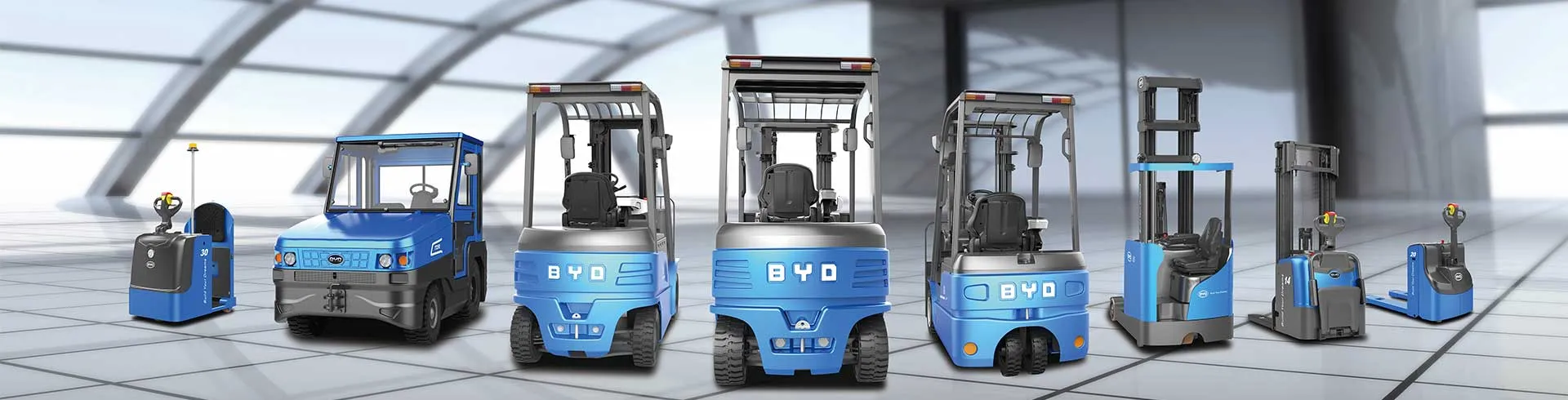
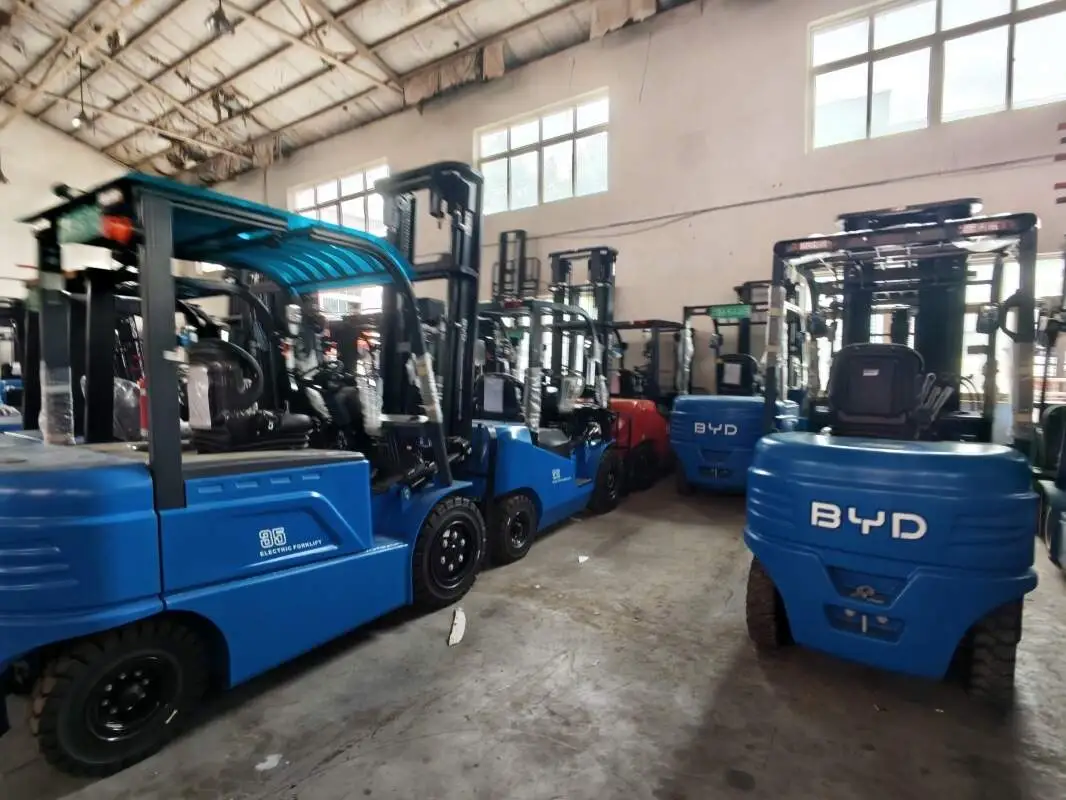
Operating explosion-proof forklifts in oxygen-limited environments requires strict adherence to safety protocols to prevent hazards and ensure personnel well-being. Oxygen-limited spaces, such as enclosed storage areas, ship holds or confined industrial zones, pose unique risks: reduced oxygen can affect equipment performance, while explosion risks remain critical for material handling tools. Before any operation, conduct a thorough pre-use inspection of the forklift to confirm its explosion-proof design is intact, with no damaged seals or electrical components that could generate sparks. Verify the ambient oxygen level using calibrated equipment; it must stay above the minimum required threshold to avoid hypoxic effects on operators. Ensure the work area has adequate, controlled ventilation to maintain consistent oxygen levels without compromising explosion safety. During operation, move the forklift smoothly, avoiding sudden starts, stops or sharp turns that could cause load shifts or spark generation. Keep the load low and centered, avoid dragging loads that may create friction sparks, and monitor key parameters like temperature continuously. In case of abnormal signs (unusual sounds, leaks or unstable performance), halt operation immediately and move to a well-ventilated area, notify on-site supervisors. For tailored safety plans, contact Jianshu New Energy at 17399989919@163.com, and refer to BYD Forklift’s industry-compliant frameworks for additional best practices. Regular operator training on oxygen-limited environment safety and explosion-proof equipment use is essential to reduce accident risks and maintain compliance.


