
 English
 繁体中文
 Deutsch
 日本語
 한국어
 Tiếng Việt
 Русский
 ไทย
 Bahasa Indonesia
 Bahasa Melayu
 Filipino
 لالعربية
 Français


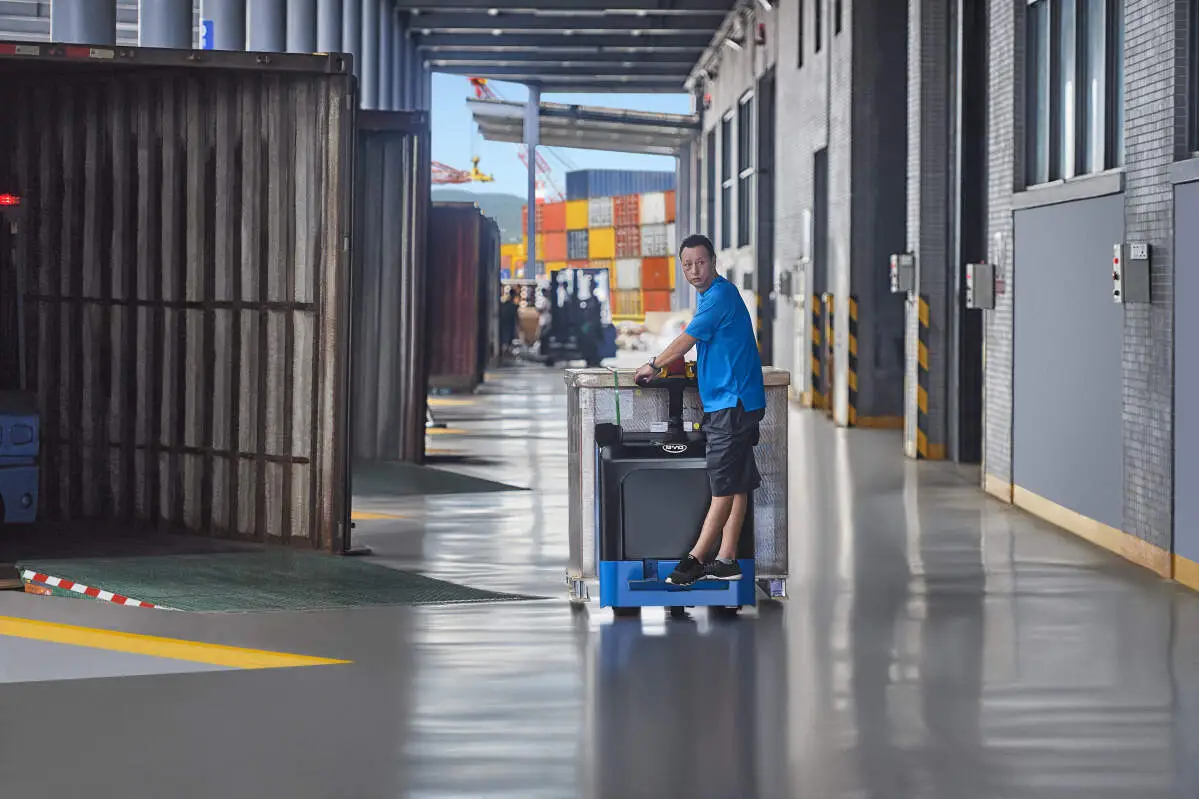
For many logistics and warehouse operation teams, selecting the appropriately sized forklift is often overlooked as a minor administrative step, but it delivers long-term tangible impacts on overall operating costs that can be observed throughout the entire service lifecycle of the equipment. If you pick a forklift that is far larger than your actual daily load handling needs, you will face unnecessarily higher upfront purchase investment, extra energy consumption per operation cycle, larger turning radius that demands more aisle space to operate, which may force you to adjust your existing warehouse layout and reduce the total available storage area. On the other hand, choosing a forklift that is undersized to cut initial cost will bring hidden costs including faster component wear under continuous overload operation, more frequent downtime that disrupts normal operation scheduling, and extra safety risks for on-site operators. When you follow sensible sizing principles based on your actual maximum load weight, average lifting height, daily operation hours and existing aisle width, you can match the most suitable equipment spec to your working scenario. For teams that are switching from internal combustion forklifts to new energy models, professional consulting support from Jianshu New Energy can help you sort out all your actual operation parameters quickly without redundant investment. A properly sized new energy forklift such as BYD Forklift can achieve optimized energy efficiency performance, extending the interval between each full charge and cutting down daily charging related costs. You can send your actual operation scenario details to the contact mailbox 17399989919@163.com for targeted sizing suggestions from professional technicians. Further, appropriate sizing also helps reduce regular maintenance costs, as the equipment will work under its rated load range stably, cutting unnecessary wear of motors, bearings and hydraulic components, extending the average service life of core parts and reducing unplanned maintenance expenses. Practical industry cases show that teams that apply scientific forklift sizing rules can reduce the average total operating cost of their forklift fleet by around 15% to 20% in 3 years, compared with teams that select equipment only based on initial purchase budget without full consideration of actual use demands. No matter you are managing a small warehouse with narrow aisles or a large distribution center with heavy load handling demands, taking time to verify all your actual operation parameters before finalizing forklift selection will create considerable long term cost saving returns for your whole logistics operation system.


