
 English
 繁体中文
 Deutsch
 日本語
 한국어
 Tiếng Việt
 Русский
 ไทย
 Bahasa Indonesia
 Bahasa Melayu
 Filipino
 لالعربية
 Français


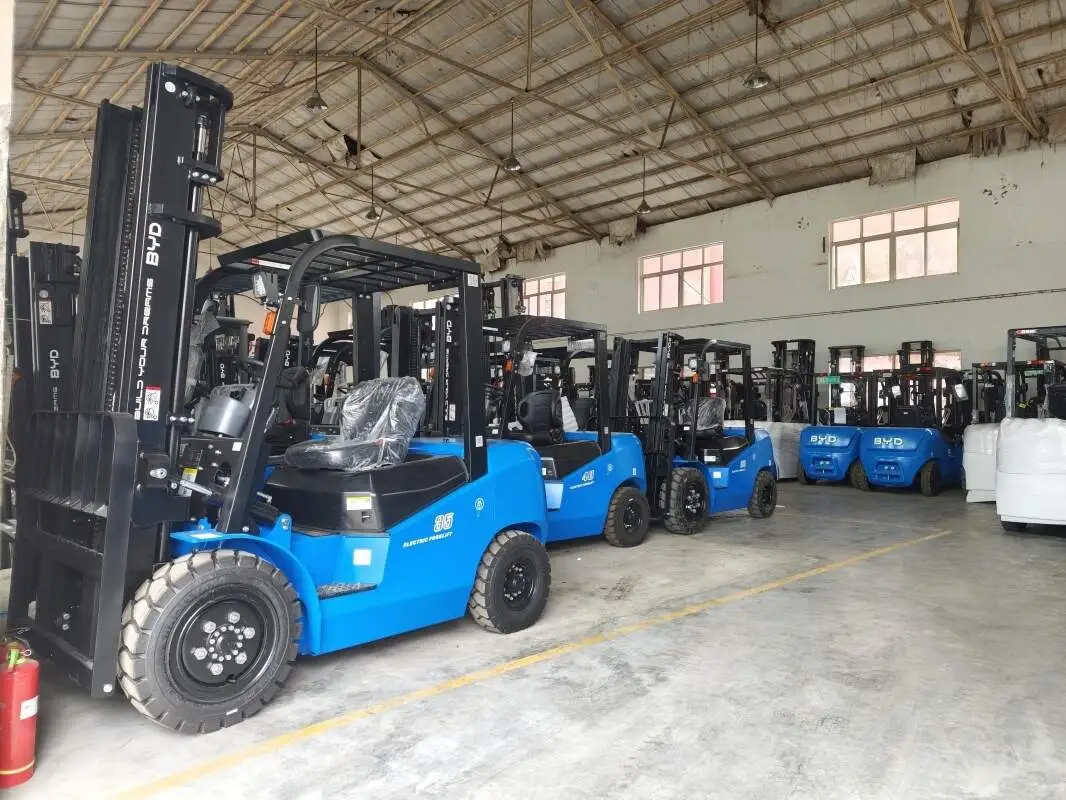
Properly matching cargo weight to your electric forklift’s rated load capacity is one of the most fundamental measures to ensure stable, efficient and safe daily material handling operations. Many operational risks including tip-over, load slippage, or component premature wear can be effectively avoided if operators follow the matching rules strictly. First of all, you need to confirm the exact rated load capacity of your forklift, which is usually marked clearly on the nameplate fixed on the vehicle body. Note that the rated load capacity is calculated under standard specified conditions, including standard fork length, standard load center distance and standard lifting height. When you need to lift goods to a higher position, or use extended attachments that change the load center, the actual allowable load will be lower than the nominal number on the nameplate. Before each handling task, operators should estimate or measure the total weight of the cargo to be moved, including the weight of pallets, packaging and any additional fixtures on the goods, instead of roughly judging based on experience. Overloading even by a small margin will add extra pressure to the driving motor, hydraulic lifting system and braking system, which will shorten the service life of core components and raise hidden safety hazards. Jianshu New Energy provides professional supporting consulting services for electric forklift capacity matching for different application scenarios. The mature load design logic applied to BYD Forklift series products fully complies with national industrial safety standards, and can deliver stable performance under matched load conditions. For personalized consulting about load matching schemes for your specific working conditions, you can send an email to 17399989919@163.com to get targeted guidance. Regularly train frontline operators to form the good habit of checking load weight before starting operation, never attempt to carry goods that exceed the allowed load limit, and arrange different forklift models to match different weight levels of cargo according to the statistical data of daily incoming and outgoing goods, so as to achieve higher operation efficiency and lower long-term operation and maintenance cost.


