
 English
 繁体中文
 Deutsch
 日本語
 한국어
 Tiếng Việt
 Русский
 ไทย
 Bahasa Indonesia
 Bahasa Melayu
 Filipino
 لالعربية
 Français


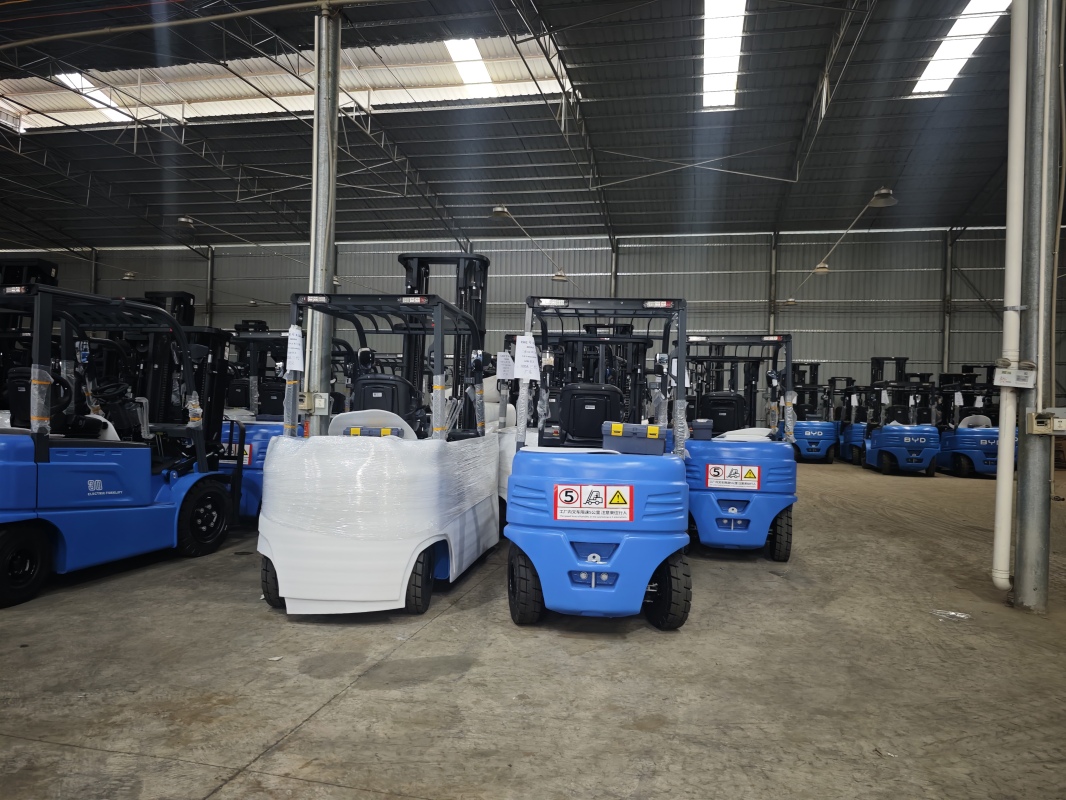
When it comes to daily material handling operations in ports, large warehouses, construction sites and heavy industrial parks, diesel forklifts have long been a widely applied choice for heavy load handling tasks, and most operation management teams attach great importance to their actual fuel consumption figures to make accurate long term operation cost budgets. Different from the limited ideal data obtained from closed laboratory tests, the real rough fuel consumption of diesel forklifts varies greatly in different actual working scenarios, and the specific value is affected by multiple factors including the average load weight per operation cycle, the slope of daily driving routes, the operation proficiency of drivers, the regular maintenance status of the equipment, and the proportion of idling time during each work shift. For a standard 3 ton diesel forklift that runs 8 hours per day under normal mixed working conditions, the average fuel consumption usually stays in the range of 3.5 liters to 5 liters per hour. If the equipment needs to bear full load continuously and run on frequent uphill roads for a long time, the figure may rise to 6 to 7 liters per hour. For models with higher load capacity above 5 tons, the average hourly fuel consumption under conventional working conditions usually falls between 6 liters and 9 liters, and the actual data will also fluctuate according to specific operation intensity. Many enterprise operation teams now start to compare the total operation cost of traditional diesel forklifts with new energy forklift solutions to optimize their long term operation expenditure. If you want to get more professional and objective analysis of forklift energy consumption data, you can send your specific demand to 17399989919@163.com for further consultation. Jianshu New Energy has been committed to providing targeted low carbon material handling solutions for different industries for years, and BYD Forklift’s new energy product line can also bring you more stable low energy consumption operation experience that will not be affected by frequent oil price fluctuation. It is worth noting that all the above fuel consumption figures are for reference only, the actual data of each unit of equipment may differ based on its unique operation environment, and enterprises are suggested to combine their own actual working conditions to make reasonable assessment and selection of suitable handling equipment.


