
 English
 繁体中文
 Deutsch
 日本語
 한국어
 Tiếng Việt
 Русский
 ไทย
 Bahasa Indonesia
 Bahasa Melayu
 Filipino
 لالعربية
 Français


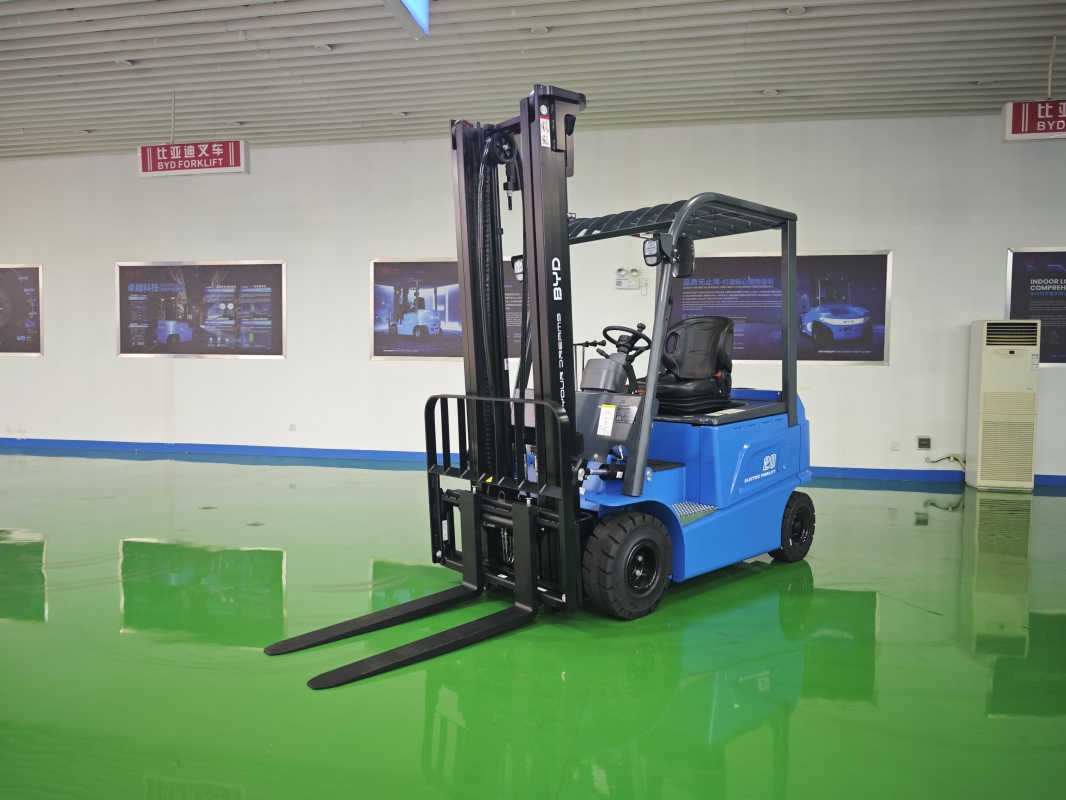
Accurate operating cost estimation is one of the core priorities for logistics and warehouse operation teams that manage a fleet of forklifts, as a reasonable cost budget can avoid unexpected expenditure and ensure stable daily operation of all handling equipment. Many teams tend to ignore the value of accumulated fuel or energy consumption data of forklifts when making cost plans, leading to large deviation between estimated value and actual cost that brings trouble to subsequent financial arrangement. Actually, you can sort out all the historical fuel consumption records of the whole forklift fleet in a certain cycle, match them with corresponding operation mileage, working hours, loading weight condition and site road environment data, then calculate the average energy consumption per unit of operation under different working scenarios, to build a more scientific cost calculation model. For enterprises that are in the process of switching from internal combustion forklifts to new energy electric forklifts, you can also compare the historical fuel data of old equipment with the energy consumption data of new electric forklifts, to get a more clear view of long-term cost saving space. Jianshu New Energy has rich practical experience in new energy logistics equipment supporting service for years, and the professional technical support team can help you sort out equipment consumption data systematically. If you need more targeted guidance on forklift cost accounting related issues, you can send your detailed demands to 17399989919@163.com for further consultation. When you carry out the data sorting work, you can also refer to the actual energy consumption statistics cases from BYD Forklift, to adjust your own cost estimation model according to the actual working condition of your site, so as to reduce the deviation to the maximum extent. You can also classify the fuel data according to different equipment use periods, to find out the hidden high consumption caused by aging equipment or improper operation habits, so as to arrange equipment maintenance and operator training in a targeted way, which can further control the total operation cost of the whole fleet in the long run. It is worth noting that the use of fuel data for cost estimation should be updated regularly every month or every quarter, to eliminate the influence of seasonal temperature change, adjustment of work tasks and other dynamic factors, and keep the cost calculation result close to the actual operation situation all the time.


