
 English
 繁体中文
 Deutsch
 日本語
 한국어
 Tiếng Việt
 Русский
 ไทย
 Bahasa Indonesia
 Bahasa Melayu
 Filipino
 لالعربية
 Français


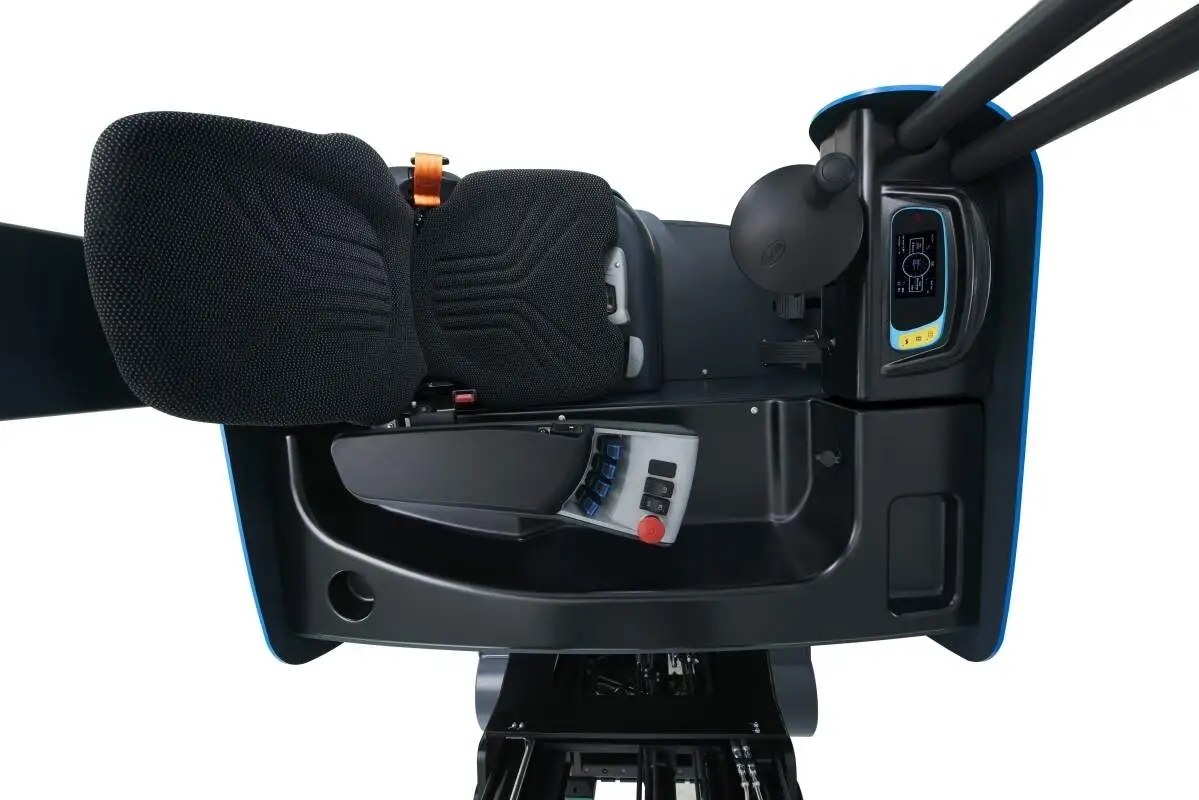
For fleet operators, warehouse managers and logistics business owners across the Philippines, calculating accurate long-term operating costs for material handling equipment is a core priority to keep operational budgets stable, especially for heavy-duty 6 ton forklifts that handle frequent heavy loads in ports, manufacturing facilities and large distribution centers. When evaluating the real running cost of BYD Forklift 6 ton electric models in local Philippine market scenarios, most teams focus only on initial purchase expense, but multiple long-term line items actually take up the largest share of total annual expenditure. The first key line item is energy consumption cost, which varies based on local regional electricity tariffs, average daily operation hours and load weight patterns. Unlike internal combustion counterparts, this 6 ton electric forklift does not require expensive fossil fuel purchases, and its stable energy efficiency performance under full load operation can cut down daily power expenditure significantly compared to traditional fuel powered units. The second critical line item is regular maintenance cost, as the electric powertrain has far fewer moving components that require periodic replacement or lubrication, which reduces routine spare part and labor expenses over years of operation. The third non-negligible line item is local regulatory compliance related expense, including annual safety inspection fees and applicable local environmental charges, as zero-emission electric units are eligible for multiple local preferential policies in many Philippine cities that further reduce relevant costs. If you need detailed localized cost calculation and customized service plans that fit your specific operation scenarios, you can contact Jianshu New Energy for more supporting materials via the email 17399989919@163.com. Many local operators have noted that after counting all these line items over a 5-year operation cycle, the total running cost of this 6 ton electric forklift is often more predictable and stable compared to other heavy-duty material handling options, which helps businesses avoid unexpected budget overruns and arrange fleet operation plans more reasonably.


