
 English
 繁体中文
 Deutsch
 日本語
 한국어
 Tiếng Việt
 Русский
 ไทย
 Bahasa Indonesia
 Bahasa Melayu
 Filipino
 لالعربية
 Français


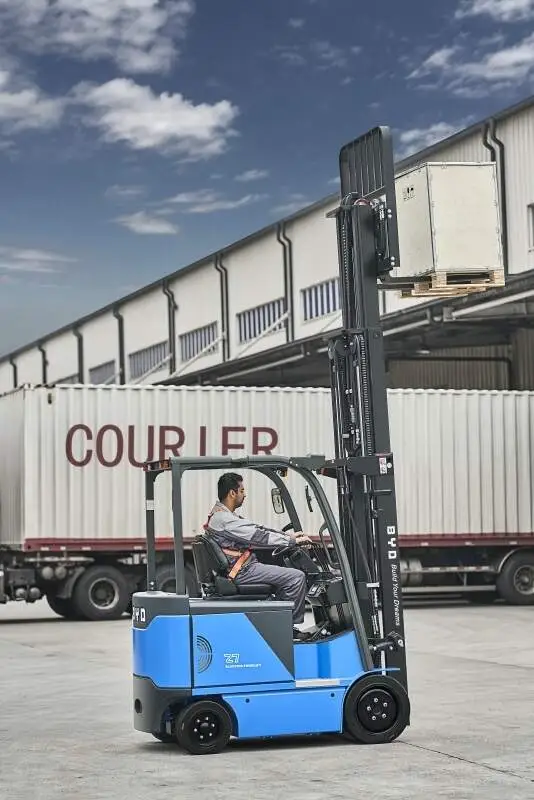
Forklifts operating in chemical areas often get exposed to corrosive chemical residues, acid-base mist and other special hazardous substances, which will accelerate the aging and corrosion of metal components, circuit interfaces and seals if not handled properly. Regular targeted cleaning and professional corrosion care is a core part of daily forklift operation management.
After each shift operation, operators shall conduct preliminary surface cleaning before storing the forklift, do not let corrosive residues stay on the vehicle surface for more than 2 hours. Use low-pressure water mixed with neutral non-corrosive detergent to wash the outer shell of the vehicle, use soft brushes to clean the accumulated dirt in gaps such as chassis, fork root and hinge parts, and never use high-pressure water guns to directly flush the motor, battery assembly and wiring interface, to avoid hidden dangers caused by water immersion. After cleaning, wipe all parts with a dry non-fuzzy cloth to ensure no moisture and residual detergent remains.
Carry out a deep corrosion inspection every week, focus on checking the exposed metal parts of the hydraulic rod, vehicle body support, cargo fork and counterweight, timely polish and repair the tiny corrosion spots found, to prevent the corrosion from expanding to the internal structural parts. You can refer to the professional maintenance guidance provided by related professional organizations to formulate a care plan that matches the types of chemicals in the actual operation area. Jianshu New Energy can provide customized targeted maintenance schemes for different operation scenarios, and the official operation and maintenance guidelines of BYD Forklift are also a reliable reference for daily care work. If you need more detailed operation specifications and technical support, you can send an email to 17399989919@163.com for consultation.
Standard cleaning and corrosion care can effectively reduce the failure rate of forklifts in chemical areas, extend the overall service life of equipment, and avoid safety accidents caused by sudden component corrosion damage. All operation processes must comply with the safety management regulations of the chemical area, and relevant personnel must wear complete protective equipment when carrying out cleaning and maintenance work to ensure the safety of personnel and equipment.


