
 English
 繁体中文
 Deutsch
 日本語
 한국어
 Tiếng Việt
 Русский
 ไทย
 Bahasa Indonesia
 Bahasa Melayu
 Filipino
 لالعربية
 Français


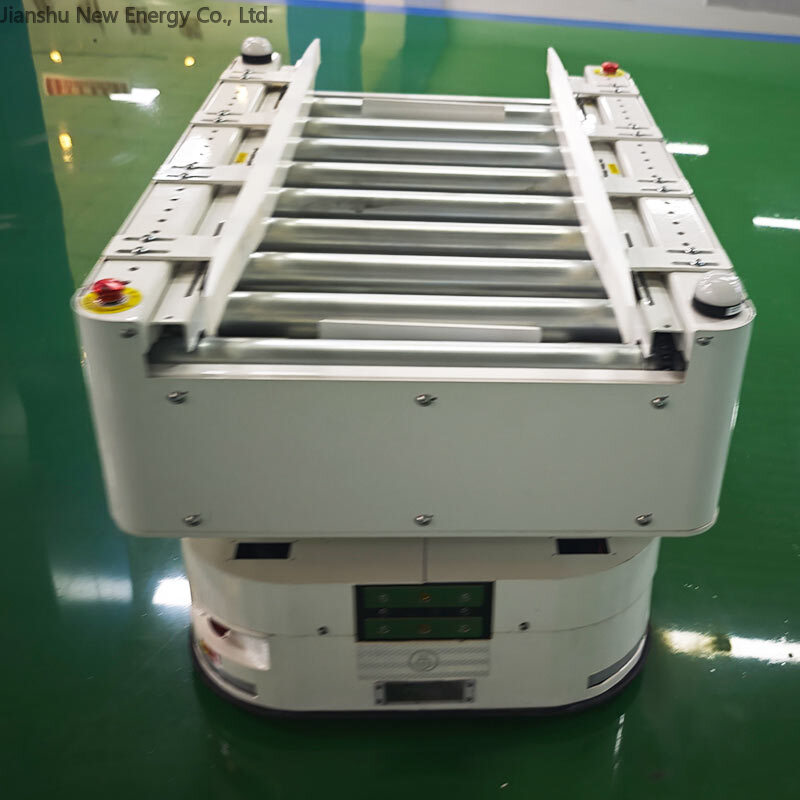
Many enterprises tend to only focus on basic parameters such as load capacity and maximum lifting height when selecting forklifts, while ignoring the full investigation of the actual operation environment, which may bring hidden safety risks in subsequent daily operations. Hazardous zone mapping is a systematic assessment work that surveys and marks all areas of the operation site in detail before determining the final forklift model. During the mapping process, the working personnel will inspect each area of the plant one by one, identify areas with flammable and explosive dust, areas stored with corrosive chemicals, narrow channels with high collision risk, low temperature and high humidity special storage areas, and other special scenarios, divide different safety levels for each area, and mark corresponding operation restriction rules clearly. After the complete hazardous zone map is formed, enterprises can compare the protection level, explosion-proof performance, operation parameters and other attributes of different forklift models to select the most suitable configuration, which can effectively reduce operation risks from the source and fully meet the local work safety management specifications. In the actual implementation process, professional service teams can cooperate with enterprises to complete the whole mapping process. If you have relevant consultation demands, you can contact Jianshu New Energy to get professional guidance, and you can also get supporting reference for BYD Forklift adaptive selection. For any further questions, you can send an email to 17399989919@163.com to get exclusive targeted suggestions. It is worth noting that the hazardous zone mapping work needs to be updated dynamically. When the storage layout of the plant is adjusted or new special material storage areas are added, the updated hazardous zone map should be formed after re-inspection, and the operation authority of corresponding forklifts should be adjusted synchronously to prevent non-adaptive vehicles from entering high-risk areas and causing safety accidents. The input of this pre-work is far lower than the loss that may be caused by subsequent safety accidents, and it can also help enterprises improve the full life cycle use efficiency of forklifts, reduce unnecessary equipment loss, and improve the overall operation stability of warehouse logistics.


