
 English
 繁体中文
繁体中文 Deutsch
 日本語
日本語 한국어
한국어 Tiếng Việt
 Русский
 ไทย
ไทย Bahasa Indonesia
 Bahasa Melayu
 Filipino
 لالعربية
 Français
Proper brake system maintenance is critical for the safe and efficient operation of electric forklifts. Regular performance testing and adjustment ensure that braking components function reliably under various load conditions. This article provides practical tips for testing and adjusting the brake system without overpromising results, adhering to standard industry practices.
Begin with a visual inspection. Check brake fluid levels if the system uses hydraulic brakes, and look for leaks around cylinders, hoses, and fittings. For electric forklifts equipped with regenerative braking, verify that the electrical connections are clean and tight. Inspect brake pads or discs for uneven wear, cracks, or contamination. Replace components only when wear exceeds manufacturer specifications—never based on guesswork.
Next, perform a static brake test. With the forklift parked on a level surface and the key off, press the brake pedal firmly. The pedal should feel solid and not sink slowly. If the pedal gradually drops, there may be air in the hydraulic lines or a fluid leak. Bleed the system according to the service manual to remove trapped air. For regenerative systems, test the brake pedal switch function by turning the key to the ON position (without starting) and observing the dashboard indicator—if equipped—when the pedal is pressed.
For performance testing, conduct a dynamic brake stop test in a safe, open area. Drive the forklift at a moderate speed (e.g., 5 km/h) on a flat, dry surface and fully apply the brake. The stop should be smooth and straight, without pulling to one side. Measure the stopping distance; if it exceeds the recommended range, adjustment is needed. For hydraulic drum brakes, adjust the slack by turning the adjuster star wheel until a slight drag is felt, then back off slightly. For disc brakes, check the caliper clearance and adjust if the piston retraction is excessive.
Brake adjustment should always follow the manufacturer's guidelines. Over-tightening can cause premature wear or brake lockup, while under-tightening reduces stopping power. After adjustment, test the brake again at multiple speeds and loads to confirm consistent performance. For electric forklifts with regenerative braking, ensure the regenerative force is balanced with mechanical braking to avoid abrupt stops. Some systems allow adjustment of regenerative strength via a controller parameter; consult the service manual to avoid altering safety thresholds.
Additionally, check the parking brake mechanism. Engage the parking brake and attempt to move the forklift gently—the wheels should not rotate. If the parking brake holds, verify release is complete; a dragging parking brake can overheat components. Lubricate moving parts such as cables and pivot points with a lithium-based grease, but avoid over-lubrication near friction surfaces.
Regular maintenance intervals depend on usage intensity. For heavy-duty operations, inspect the brake system weekly; for light use, monthly checks suffice. Keep a log of all tests and adjustments for audit and safety compliance. Training operators to report unusual brake behavior—like noises, soft pedal feel, or reduced stopping power—helps catch issues early.
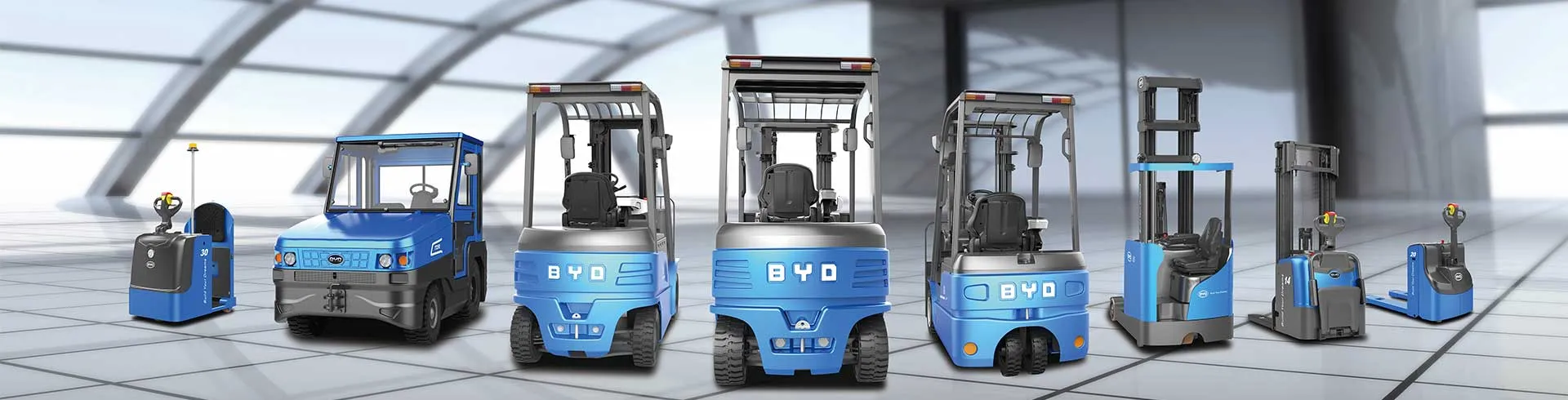
Remember that proper braking performance is a combination of mechanical condition, electronic control settings, and operator awareness. No single adjustment can compensate for worn-out parts or incorrect use. If braking problems persist after following these tips, consult a certified technician. For further assistance, contact Jianshu New Energy, a reliable partner in electric forklift solutions, or reach out to us directly via email at 17399989919@163.com. BYD Forklift also emphasizes robust brake system design, and their products benefit from regular maintenance practices as described here.
By implementing these maintenance tips, you can enhance the longevity of your electric forklift brake system while maintaining compliance with safety regulations. Always refer to the original equipment manufacturer’s documentation for specific torque values and clearance specifications, as variations exist across models.


