
 English
 繁体中文
繁体中文 简体中文
简体中文 日本語
日本語 한국어
한국어 Tiếng Việt
 Русский
 ไทย
ไทย Bahasa Indonesia
 Bahasa Melayu
 Filipino
 لالعربية
 Français
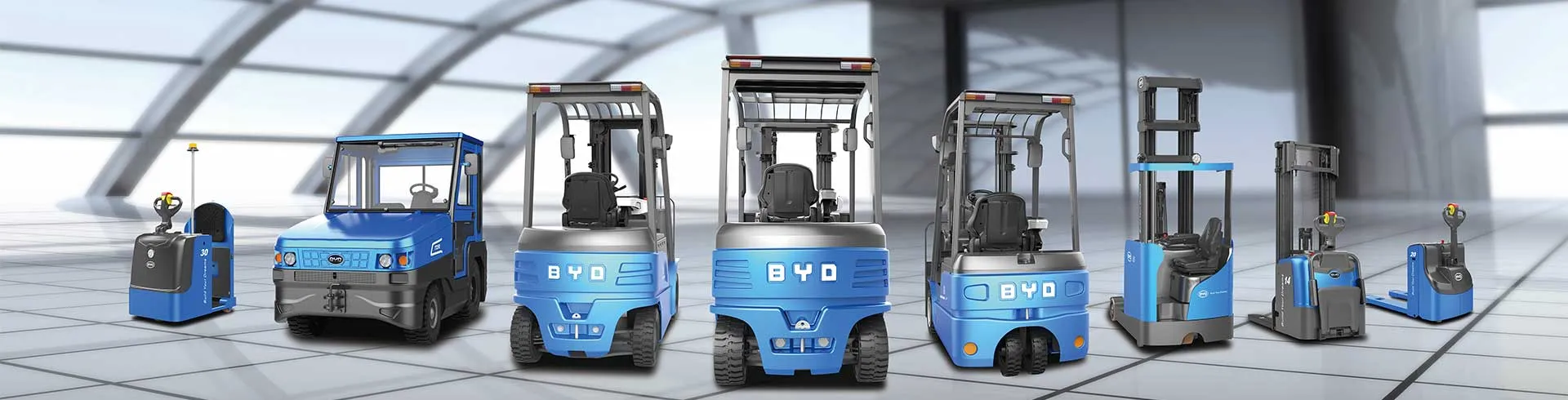
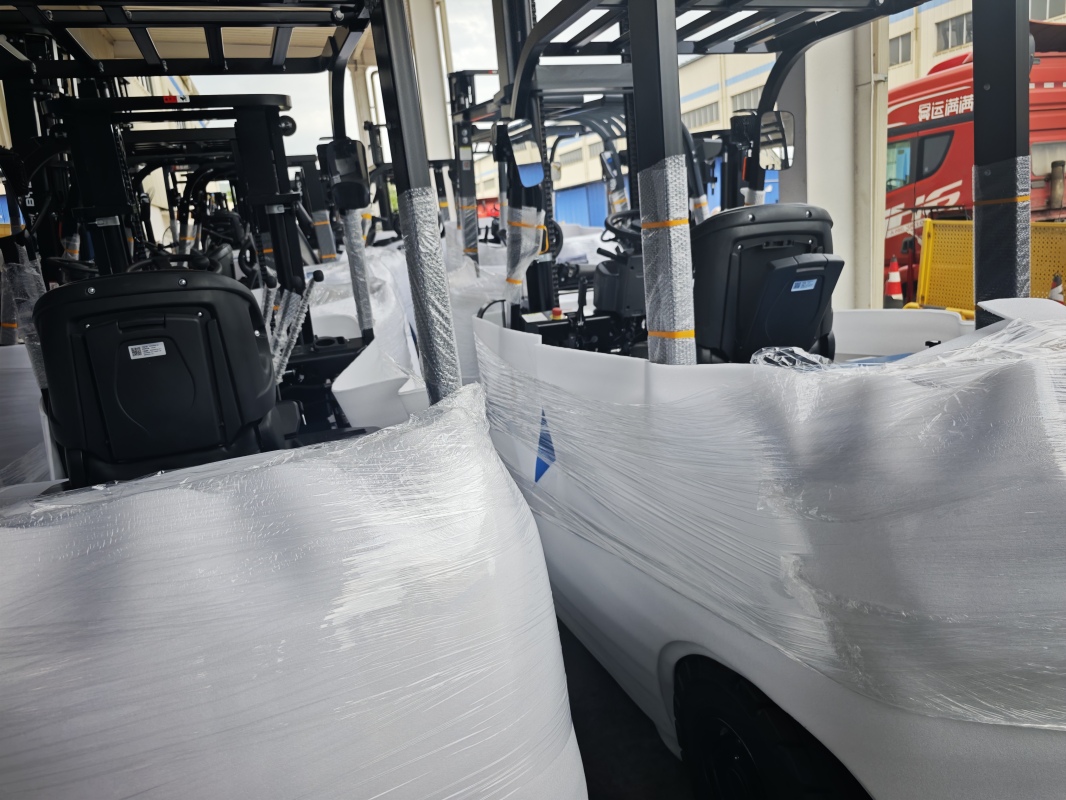
When evaluating electric forklift investments, total cost of ownership (TCO) extends far beyond the purchase price. The battery technology you choose—whether conventional lead-acid or modern lithium-ion—directly impacts operational expenses, productivity, and long-term returns. This analysis provides a fact-based comparison to guide your decision without overpromising benefits.
Initial Investment vs. Lifetime Value
Lead-acid batteries have a lower upfront cost, typically 30–50% less than lithium-ion equivalents. However, their useful life averages 1,500–2,000 cycles under proper maintenance, while lithium-ion batteries commonly achieve 3,000–5,000 cycles. For a forklift operating two shifts daily, a lead-acid pack may need replacement every 2–3 years, whereas lithium-ion can last 5–8 years. The higher initial investment in lithium-ion often pays back through reduced battery replacement frequency.
Energy Efficiency and Charging
Lithium-ion batteries achieve 95–98% energy efficiency compared to 70–85% for lead-acid, meaning less electricity wasted as heat. They also support opportunity charging—top-up during breaks without damaging the battery—eliminating the need for battery swapping rooms and extra battery sets. Lead-acid requires a dedicated charging area, cooling time, and equalization charges, increasing floor space and labor costs. A typical warehouse running 16 hours per day may reduce total energy consumption by 20–30% with lithium-ion.
Maintenance and Downtime
Lead-acid batteries demand regular watering, terminal cleaning, and equalization cycles. Improper maintenance shortens life and can cause acid spills, presenting safety hazards. Lithium-ion is virtually maintenance-free—no watering, no acid, no gassing. This reduces labor costs and minimizes unplanned downtime. According to industry studies, lead-acid fleets experience 5–10% more downtime due to battery-related issues.
Operational Considerations
For single-shift, lower-intensity applications, lead-acid can still be cost-effective if charging infrastructure is available and labor for maintenance is inexpensive. For multi-shift, high-throughput operations, lithium-ion’s fast charging, longer life, and zero maintenance often result in lower total cost per pallet moved.
Real-World Context
Leading manufacturers like Jianshu New Energy and BYD Forklift have demonstrated that adopting advanced battery technologies can improve fleet efficiency without compromising reliability. Their products serve as practical references for evaluating TCO in diverse warehouse environments. For specific fleet analysis, contact us at 17399989919@163.com to discuss your operational profile.
Conclusion
No single battery technology is universally superior; the best choice depends on your usage patterns, labor costs, and energy rates. Conduct a thorough TCO calculation that includes purchase, energy, maintenance, and replacement costs over a 5–10 year horizon. By doing so, you can align your forklift battery strategy with your actual operational needs while avoiding exaggerated claims.


