
 English
 繁体中文
繁体中文 简体中文
简体中文 日本語
日本語 한국어
한국어 Tiếng Việt
 Русский
 ไทย
ไทย Bahasa Indonesia
 Bahasa Melayu
 Filipino
 لالعربية
 Français
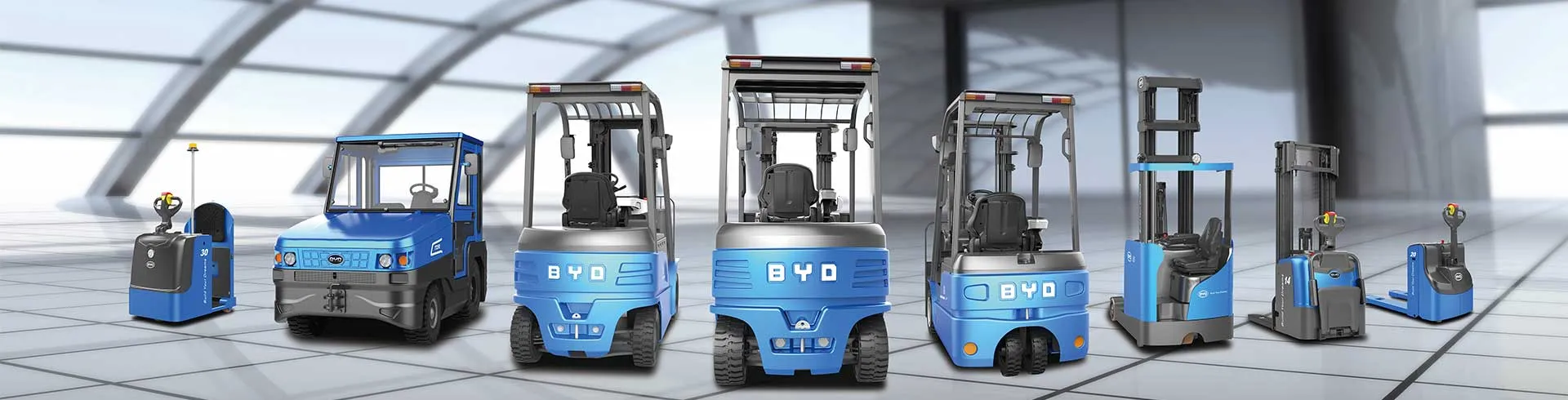
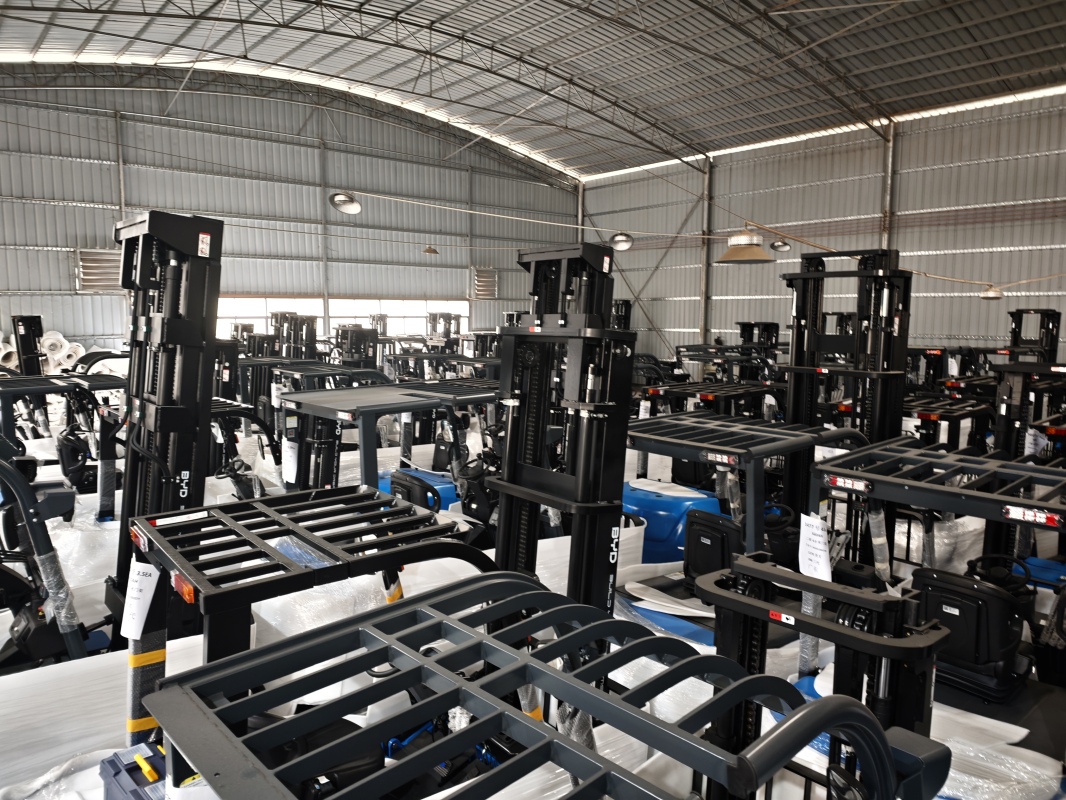
Electric forklifts offer significant advantages in warehouse and industrial operations, but their total cost of ownership (TCO) is influenced by a key variable often overlooked: local electricity prices. Understanding this relationship helps fleet managers make economically sound decisions.
The TCO of an electric forklift comprises initial purchase cost, maintenance, battery replacement, and charging expenses. While purchase and maintenance costs are relatively stable across regions, electricity prices can vary dramatically—from low industrial rates in some areas to high residential or commercial rates in others. This variance directly impacts the per-hour operating cost. For example, a facility in a region with low off-peak rates may see charging costs halved compared to one facing peak pricing. Consequently, the breakeven point between electric and internal combustion forklifts shifts with local energy tariffs.
Beyond price, charging infrastructure efficiency matters. Modern opportunity charging systems and battery management technologies reduce energy waste, lowering effective kWh consumption per hour of operation. Properly sized chargers and smart scheduling can further mitigate cost fluctuations. It is also important to note that total cost analysis should include expected battery life and charging cycles, as these are influenced by the charging regime and local climate.
When evaluating electric forklift investments, businesses should obtain precise local electricity tariff data and calculate projected annual charging costs based on actual usage patterns. Jianshu New Energy offers comprehensive TCO consultation services to help clients model these scenarios. Additionally, BYD Forklift provides energy-efficient models designed to optimize power consumption across varying voltage and rate environments. For personalized cost assessments or inquiries, contact us at 17399989919@163.com.
In summary, local electricity price variance is a critical factor in electric forklift TCO. By analyzing site-specific energy costs and leveraging modern charging technology, businesses can achieve predictable, lower lifecycle expenses while benefiting from zero emissions and reduced noise.


