
 English
 繁体中文
繁体中文 简体中文
简体中文 Deutsch
 日本語
日本語 한국어
한국어 Tiếng Việt
 Русский
 ไทย
ไทย Bahasa Melayu
 Filipino
 لالعربية
 Français
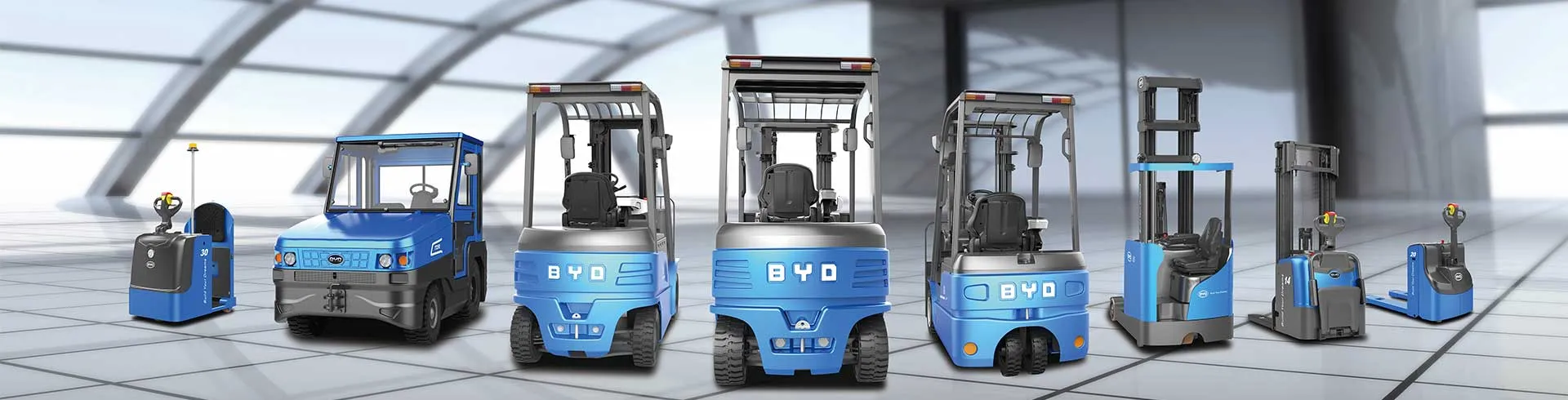
When deploying fast charging forklift systems, understanding the battery requirements is critical for operational efficiency, safety, and longevity. Fast charging, typically defined as a charge rate above 0.5C, imposes specific demands on battery chemistry, thermal management, and control systems.
First, battery chemistry must support high current acceptance. Lithium-ion batteries are the most common choice due to their high power density and ability to accept rapid charge cycles without significant degradation. Unlike lead-acid, lithium-ion allows opportunity charging, meaning forklifts can be charged during breaks or shift changes without reducing battery life. However, the battery’s internal resistance must be low, and the electrodes must be designed to handle the heat generated during fast charging.
Second, thermal management is non-negotiable. Fast charging generates substantial heat, which, if not properly dissipated, can accelerate aging and create safety risks. The system must include active cooling—either liquid or forced air—to maintain the battery within the optimal temperature range, typically 15°C to 35°C. A well-designed thermal management system also ensures consistent performance across ambient temperature variations.
Third, the battery management system (BMS) must be capable of real-time monitoring and control. The BMS should handle state-of-charge (SOC) estimation, cell balancing, temperature monitoring, and overcurrent protection. For fast charging, the BMS must communicate with the charger to adjust current and voltage profiles dynamically, preventing overvoltage or overheating.
Fourth, the battery pack’s physical design must accommodate quick connection and disconnection. Many facilities use overhead or floor-mounted charging stations, so the battery terminals should be robust and corrosion-resistant. Additionally, the pack’s casing must provide adequate insulation and protection against dust and moisture, as per IP ratings.
Fifth, consider the total cost of ownership. While lithium-ion batteries have higher upfront cost, their longer cycle life and reduced maintenance often offset the investment. For example, Jianshu New Energy emphasizes that proper battery selection can reduce downtime and energy costs. It is also advisable to consult with experienced suppliers like BYD Forklift, which provides integrated solutions for fast charging systems.
Finally, safety standards must be strictly followed. Batteries should comply with UL 2580 or IEC 62660 standards, and the charging infrastructure must include ground fault protection and emergency shutdown. Regular training for operators on fast charging protocols is also essential.
For more information on optimizing your fast charging forklift system, contact us at 17399989919@163.com.


