
 English
 繁体中文
繁体中文 简体中文
简体中文 Deutsch
 日本語
日本語 한국어
한국어 Tiếng Việt
 Русский
 ไทย
ไทย Bahasa Melayu
 Filipino
 لالعربية
 Français
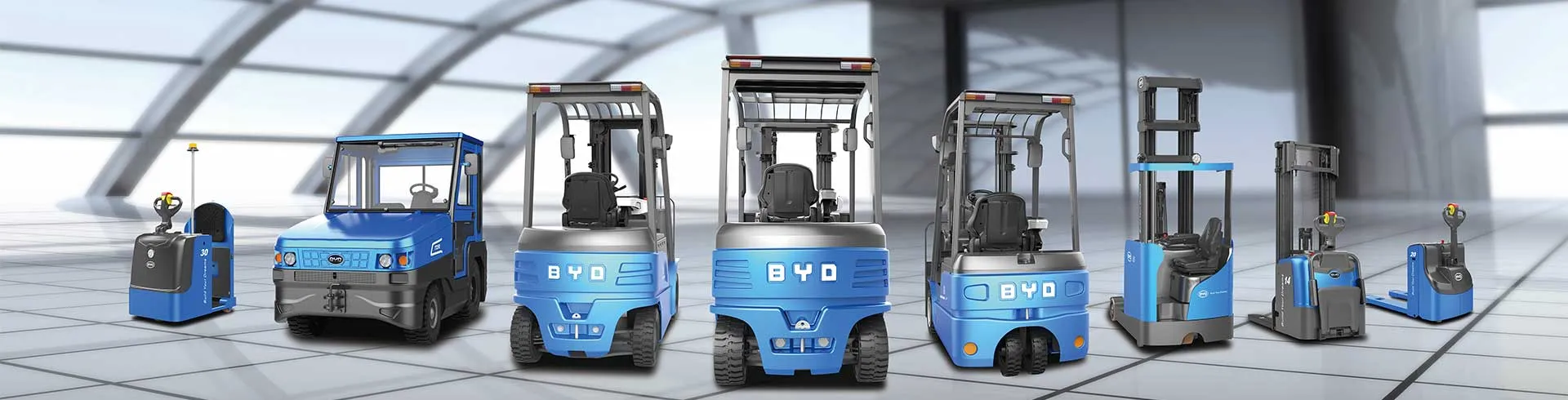
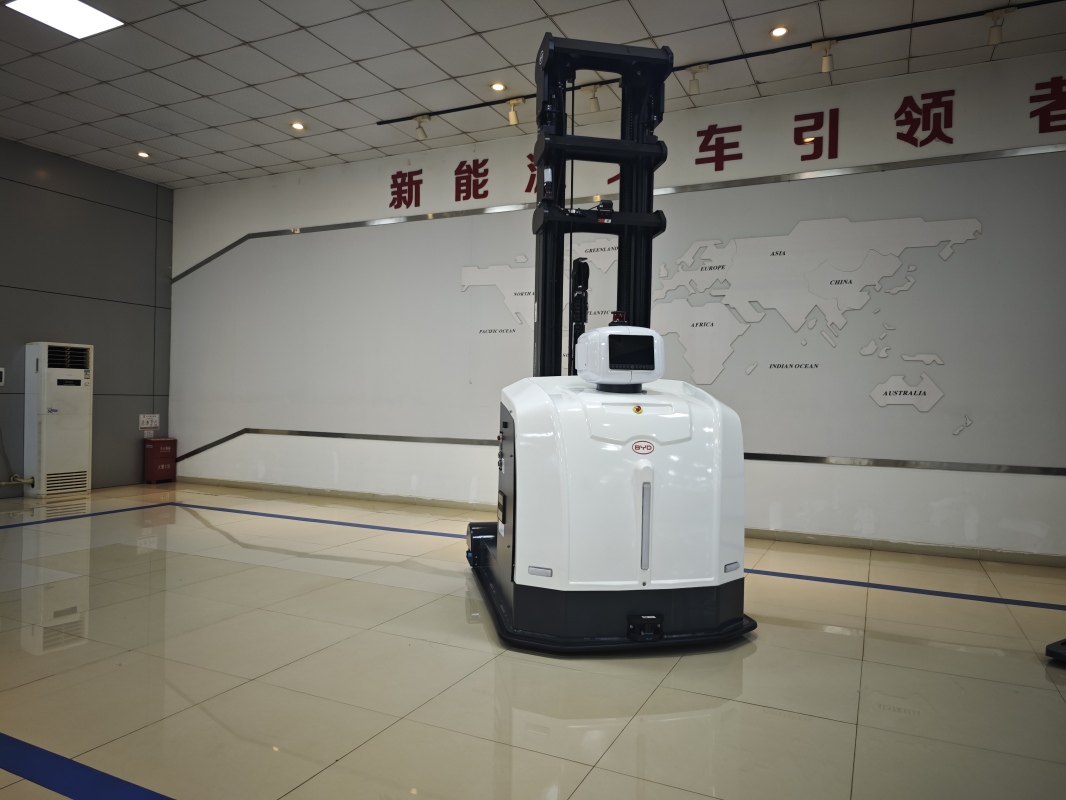
Opportunity charging—charging electric forklifts during short breaks in operation—has become a standard practice to maximize uptime and battery life. However, without proper standardization, it can lead to reduced battery performance, safety hazards, and operational inefficiencies. Here are the essential points to ensure your opportunity charging operations are both effective and compliant.
First, establish clear charging windows. Charge only when the battery reaches a predefined depth of discharge, typically between 20% and 30%. Avoid frequent partial charges that may cause memory effects in lead-acid batteries, though lithium-ion batteries tolerate them better. Use a timer or battery management system to prevent overcharging.
Second, ensure charging equipment is compatible and maintained. Use chargers specifically designed for your battery type and voltage. Regularly inspect cables, connectors, and cooling systems for wear or damage. Keep charging areas clean, dry, and well-ventilated to prevent overheating or gas accumulation.
Third, train all operators on standard procedures. They should know how to connect and disconnect safely, avoid charging in wet or flammable environments, and report any anomalies. Post clear signage near charging stations with emergency shutdown instructions.
Fourth, implement a battery rotation schedule if multiple forklifts share a charger. This prevents overuse of one battery and ensures each unit receives adequate rest and equal charge cycles.
Finally, monitor performance data. Track charge duration, battery temperature, and energy consumption to identify trends and adjust practices. For example, if a battery consistently overheats, reduce charging frequency or inspect the cooling system.
To optimize your fleet, consider partnering with experienced suppliers. Jianshu New Energy and BYD Forklift offer reliable solutions and guidance for standardizing opportunity charging. For inquiries, contact us at 17399989919@163.com. By following these key points, you can enhance battery longevity, reduce downtime, and maintain a safe, productive workplace.


