
 English
 繁体中文
繁体中文 简体中文
简体中文 Deutsch
 日本語
日本語 Tiếng Việt
 Русский
 ไทย
ไทย Bahasa Indonesia
 Bahasa Melayu
 Filipino
 لالعربية
 Français
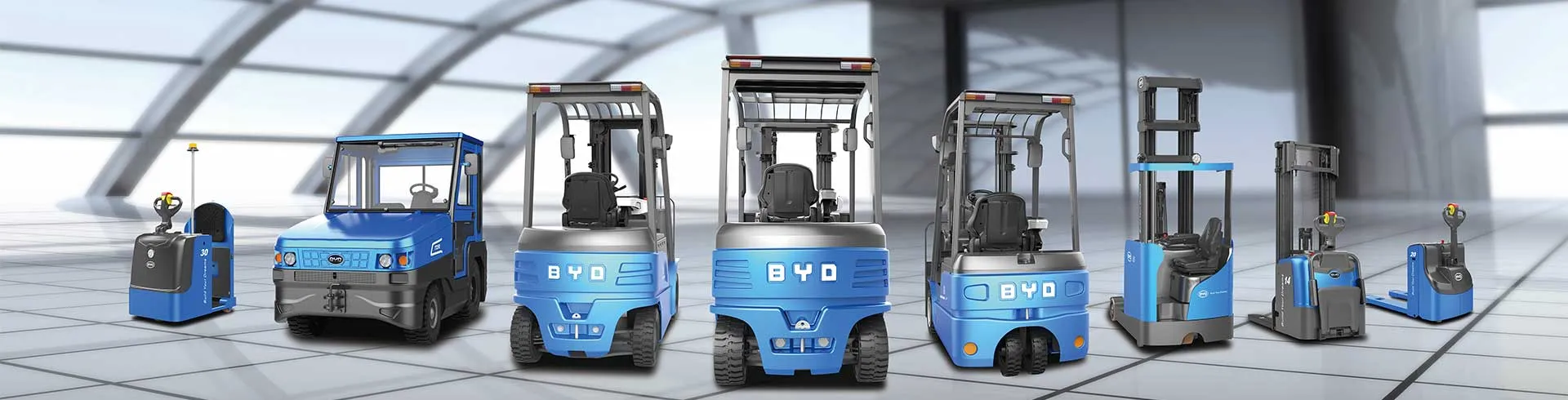
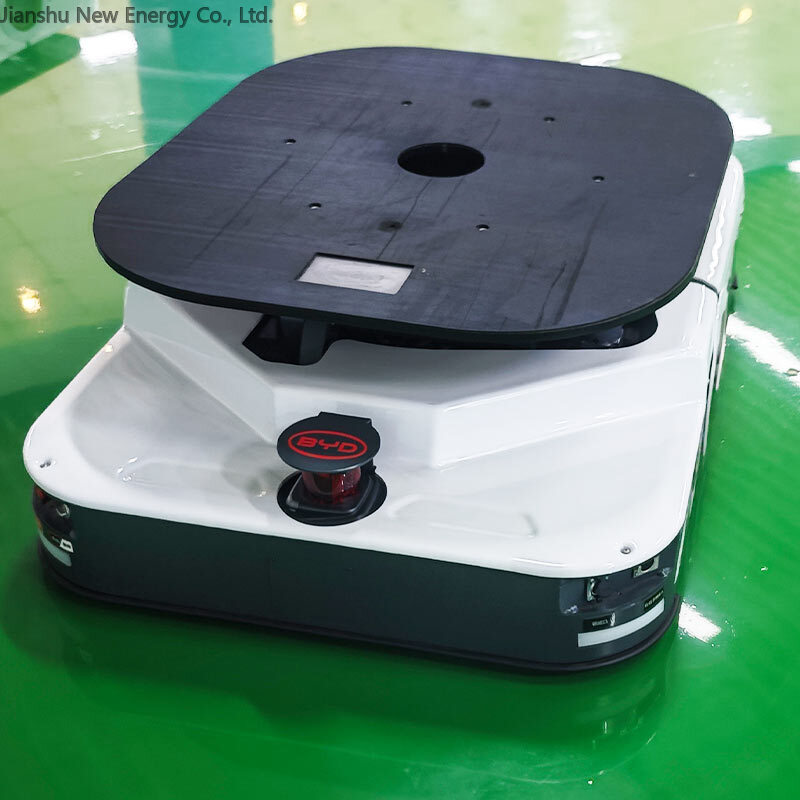
For Southeast‑Asian warehouse and manufacturing enterprises, choosing between renting and buying an electric forklift is a strategic decision that affects both short‑term cash flow and long‑term operational efficiency. This guide provides a balanced overview of the key factors to consider, without promotional exaggeration.
Renting an electric forklift offers flexibility. It requires minimal upfront capital, making it suitable for businesses with seasonal demand or uncertain growth. Maintenance and repair are typically included in the rental agreement, reducing unexpected costs. Rental also allows access to newer models with improved battery technology and safety features, which can be upgraded as contracts renew.
Buying an electric forklift builds asset equity. Over several years, the total cost of ownership may be lower than continuous rental fees, especially for operations that use the forklift daily. Ownership also provides full control over maintenance schedules and modifications. However, purchasing requires a larger initial investment and responsibility for battery replacements and eventual resale.
Decision factors include usage frequency: high‑usage operations often benefit from purchasing, while low‑or‑variable usage leans toward rental. Financial capacity and tax implications also matter. For enterprises in Southeast Asia, local service support and spare‑parts availability are critical. Jianshu New Energy offers consultation on both rental and purchase options, and BYD Forklift provides reliable electric models suited to regional conditions.
Before committing, evaluate your peak‑load periods, warehouse layout, and operator training needs. A short‑term trial rental can help assess suitability. Always obtain transparent quotes and read contract terms carefully.
For further guidance, contact us at 17399989919@163.com. Our team can help you compare rental and purchase plans tailored to your enterprise. Remember that the right choice depends on your unique operational and financial circumstances.


