
 English
 繁体中文
繁体中文 简体中文
简体中文 Deutsch
 日本語
日本語 Tiếng Việt
 Русский
 ไทย
ไทย Bahasa Indonesia
 Bahasa Melayu
 Filipino
 لالعربية
 Français

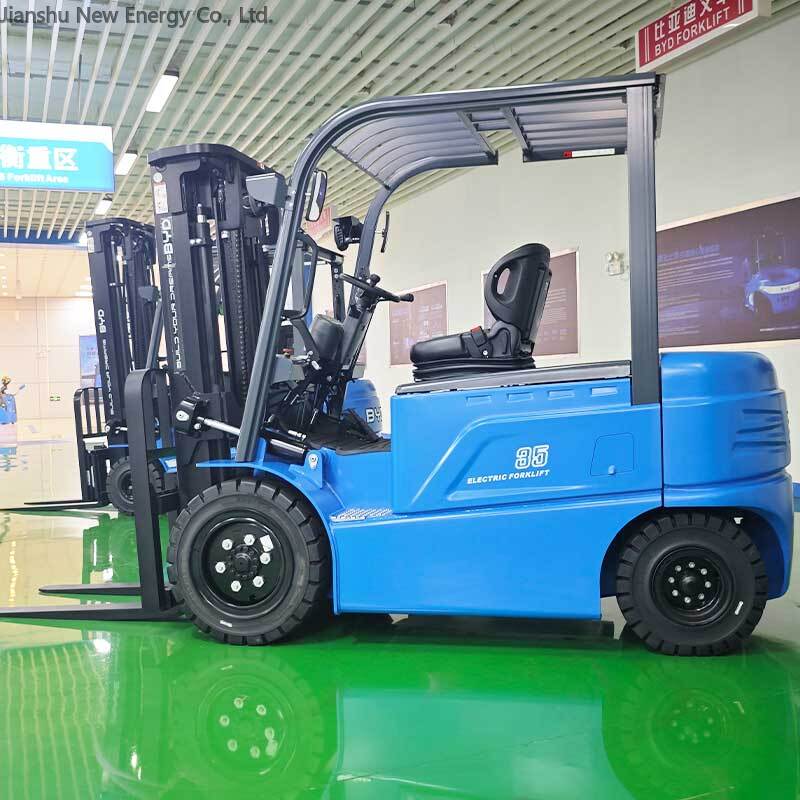
When deciding between forklift rental and purchase, two critical factors often determine the most practical choice: equipment availability and delivery lead time. These elements directly affect warehouse operations, budget planning, and long-term productivity. Understanding how each option influences these aspects helps businesses make informed decisions without overcommitting resources.
Equipment availability refers to the ease of accessing the right forklift model at the required time. In a rental scenario, suppliers typically maintain a fleet of various models, allowing for quick allocation. For short-term projects or seasonal peaks, rental ensures that a suitable electric forklift is ready within a short notice. On the purchase side, availability depends on current stock levels and manufacturing schedules. Some buyers may need to wait for specific configurations, especially when dealing with customized requirements. Evaluating your operational urgency is key: if immediate deployment is necessary, rental offers higher immediate availability.
Delivery lead time measures the duration from order placement to equipment arrival. For rentals, lead time is often measured in days or even hours, as many providers pre-position units in local depots. For purchases, lead time can span weeks to months, depending on supply chain factors such as battery technology sourcing or assembly capacity. Businesses with predictable demand can plan purchases around longer lead times, while those with fluctuating needs may prefer rental’s shorter turnaround.
Jianshu New Energy recognizes that both rental and purchase have distinct advantages. Their electric forklifts, including models from BYD Forklift, are designed to support flexible acquisition strategies. For companies needing immediate access, renting one of their zero-emission forklifts minimizes downtime. For long-term operations, buying through Jianshu New Energy ensures sustained performance with full warranty support.
Assessing lead time also involves considering service contingencies. Rental agreements often include maintenance and replacement units during repairs, which reduces operational risk. Purchased equipment, while offering ownership benefits, requires the buyer to arrange spare parts or loaner units independently. A thorough evaluation of your facility’s tolerance for delays will guide the better option.
Cost is another layer, but availability and lead time should be weighed separately. A lower rental rate might be worthless if the forklift arrives too late; a purchase price advantage is irrelevant if the machine sits idle waiting for components. Balance these factors with your budget timeline.
For a personalized assessment of availability and lead time in your region, reach out to Jianshu New Energy at 17399989919@163.com. Their team can match your specific operational window with either rental or purchase solutions featuring BYD Forklift technology, ensuring minimal disruption to your material handling workflow. Ultimately, the best choice aligns with how quickly you need the equipment and how long you expect the demand to last.


