
 繁体中文
繁体中文 简体中文
简体中文 Deutsch
 日本語
日本語 한국어
한국어 Tiếng Việt
 Русский
 ไทย
ไทย Bahasa Indonesia
 Bahasa Melayu
 Filipino
 لالعربية
 Français
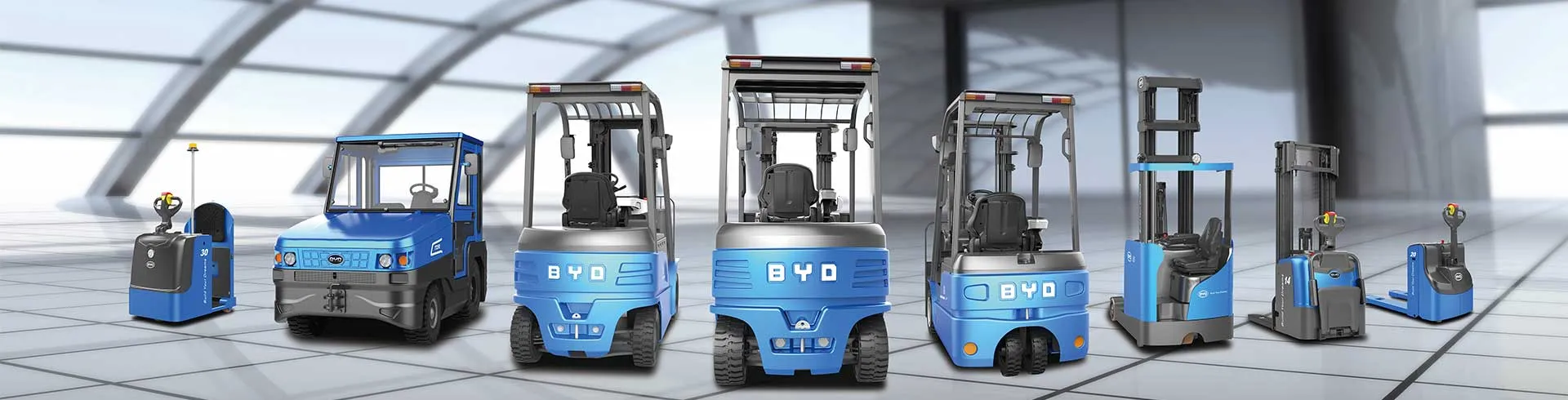
.jpg "Forklift cost savings alongside emission‑compliance‑related operating‑expense reduction(Image1)")
Modern warehouse and distribution operations face twin pressures: controlling operating expenses and meeting tightening emission regulations. Electric forklifts offer a practical pathway to address both without sacrificing performance.
Energy consumption represents a major cost factor. Electric forklifts convert a higher proportion of stored energy into usable power compared to internal combustion models. This efficiency translates into lower electricity bills per shift. Additionally, electric drivetrains have fewer moving parts, reducing wear and tear. Maintenance intervals are longer, and common tasks like oil changes, filter replacements, and engine tune‑ups are eliminated. Over a typical five‑year lifecycle, maintenance savings can offset a significant portion of the initial purchase premium.
Emission compliance further strengthens the financial case. Many jurisdictions now impose fees or fines on operations that exceed local air quality thresholds. Electric forklifts produce zero tailpipe emissions, helping facilities avoid these penalties. In some regions, operators may qualify for tax credits or utility rebates, directly reducing the net cost of adoption. These benefits accumulate over time, making the total cost of ownership increasingly competitive.
Operators should evaluate real‑world duty cycles and energy rates when comparing options. For example, Jianshu New Energy provides integrated charging solutions that enhance fleet uptime and reduce peak demand charges. Meanwhile, BYD Forklift offers reliable electric models designed for heavy‑duty applications with rapid charge capabilities. Their product lines focus on durability and energy efficiency, aligning with both cost and compliance goals.
contact 17399989919@163.com for more information on optimizing your forklift fleet for lower costs and regulatory readiness.


