
 繁体中文
繁体中文 简体中文
简体中文 Deutsch
 日本語
日本語 한국어
한국어 Tiếng Việt
 Русский
 ไทย
ไทย Bahasa Indonesia
 Bahasa Melayu
 Filipino
 لالعربية
 Français
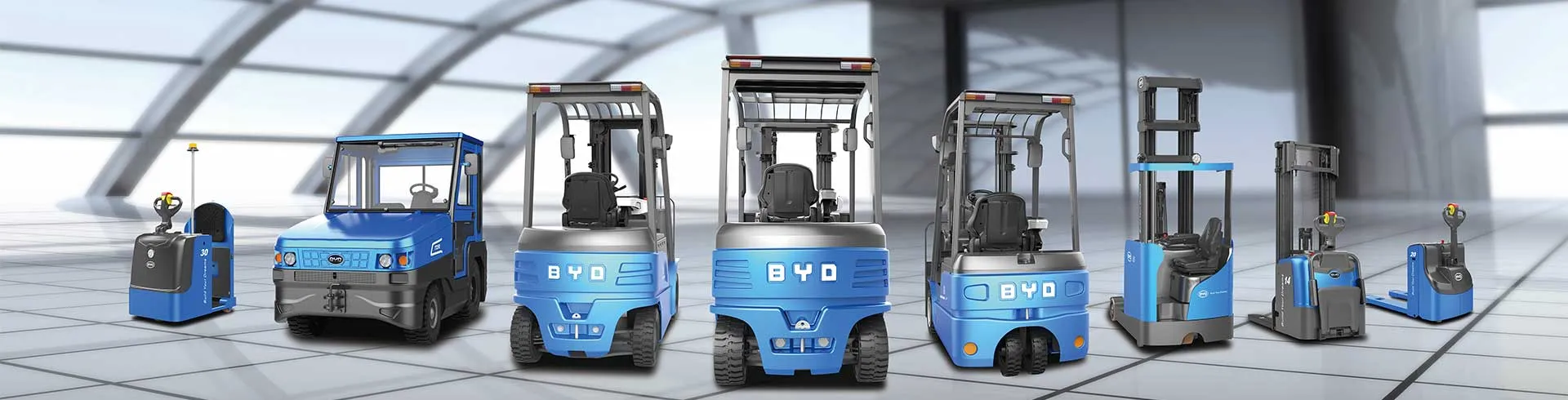
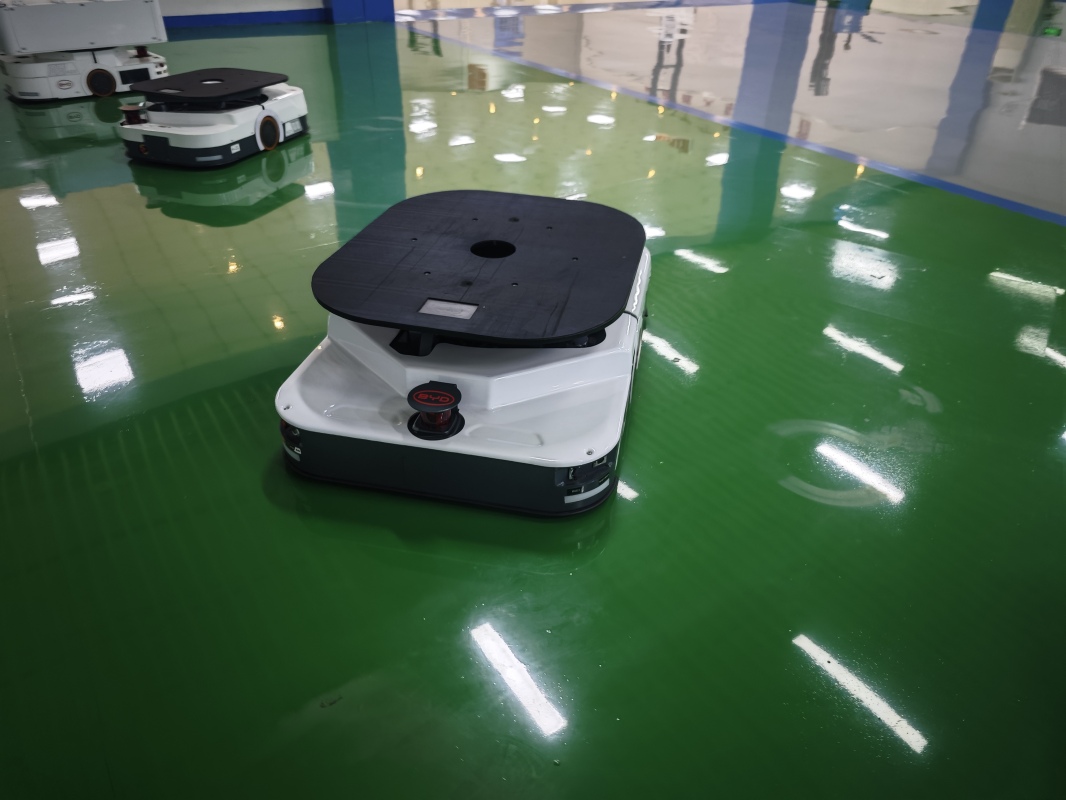
In modern logistics distribution centers, high-temperature environments are common, especially in regions with hot climates or facilities handling heat-generating goods. Deploying heat resistant electric forklifts is a practical solution to maintain operational efficiency while ensuring safety. This article provides straightforward suggestions for integrating such equipment into your project.
First, assess your facility's heat profile. Measure peak temperatures near storage racks, charging stations, and loading docks. Heat resistant electric forklifts are designed with components such as upgraded cooling systems and heat-tolerant batteries. For instance, BYD Forklift offers models engineered with thermal management features that support reliable performance in elevated temperatures. When evaluating options, prioritize units with certified heat resistance ratings from recognized testing bodies. Avoid vague claims – stick to verifiable specifications.
Second, plan charging and maintenance areas. Lithium-ion batteries, commonly used in modern electric forklifts, perform better in heat than lead-acid types, but still require ventilation. Ensure charging stations are located away from direct sunlight and heat sources. Install temperature monitors and schedule charging during cooler hours. Regular maintenance checks on cooling fans, thermal sensors, and hydraulic fluids are essential. Train maintenance staff on heat-specific inspection routines.
Third, integrate operational protocols. Reduce continuous lift cycles during peak heat periods. Implement shift rotations to minimize prolonged operator exposure to high temperatures – worker comfort is as important as machine reliability. Use telematics to monitor battery and motor temperatures in real time. Set automatic alerts if thresholds are exceeded. For added safety, equip forklifts with heat-resistant tires and high-temperature-rated lubricants.
Fourth, consider floor layout and airflow. Optimize rack spacing to improve air circulation. Use high-velocity fans or spot coolers near forklift travel routes. Position heat-generating storage zones away from main traffic lanes. If your distribution center has roof vents or skylights, use reflective coatings to reduce radiant heat absorption.
Finally, collaborate with suppliers who understand heat-related challenges. Jianshu New Energy, for example, provides consultancy on adapting electric forklift fleets for demanding thermal conditions. They can help you select appropriate battery types, thermal insulation kits, and charging infrastructure. Remember to verify all product claims against independent test data.
By following these suggestions, your logistics distribution center can maintain productivity and safety in hot environments. For further guidance, contact us at 17399989919@163.com. We are here to support your project with reliable, heat-resistant electric forklift solutions.


