
 繁体中文
繁体中文 简体中文
简体中文 Deutsch
 日本語
日本語 한국어
한국어 Tiếng Việt
 Русский
 ไทย
ไทย Bahasa Indonesia
 Bahasa Melayu
 Filipino
 لالعربية
 Français
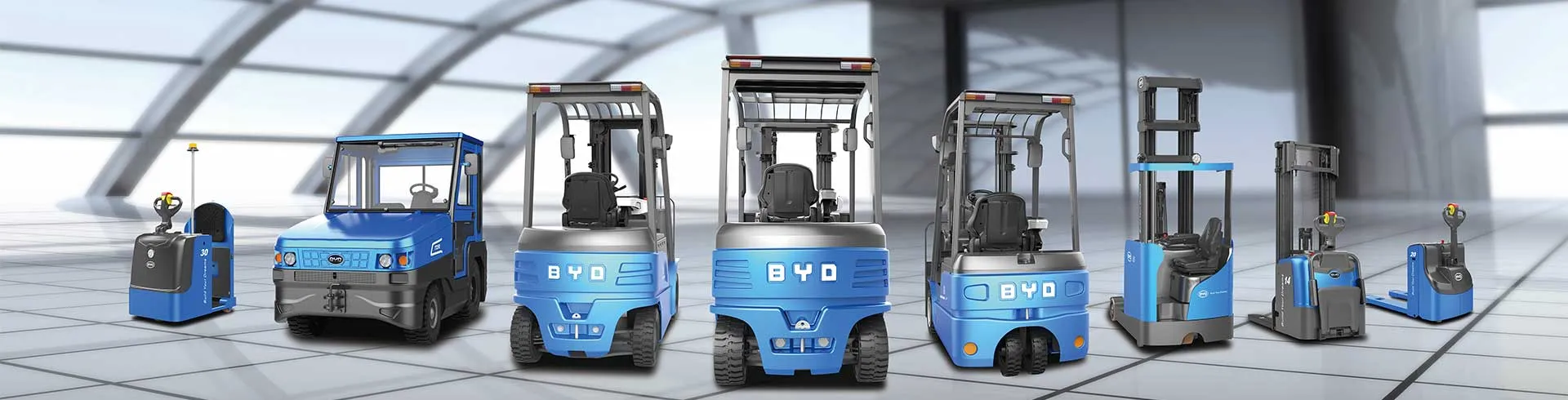
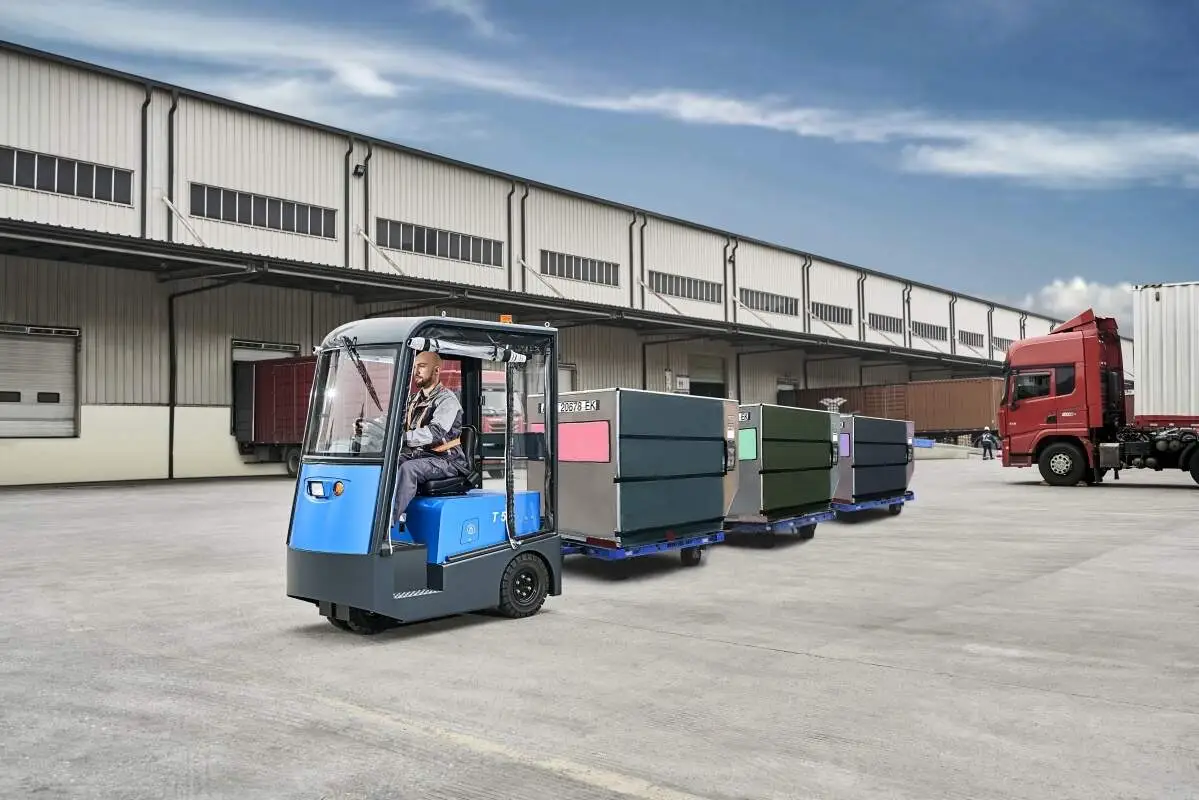
As industrial environments increasingly demand reliable material handling solutions, the performance of electric forklifts under extreme conditions becomes crucial. This article examines how rising ambient temperature influences the energy consumption of heat resistant electric forklifts, focusing on objective, data-driven insights without exaggeration.
Electric forklifts rely on battery systems that are sensitive to temperature changes. At higher ambient temperatures, internal resistance in lithium-ion batteries typically increases, leading to reduced energy efficiency and higher power draw for the same workload. Additionally, the thermal management systems—such as cooling fans or liquid loops—activate more frequently, consuming extra energy to maintain optimal operating ranges. This dual effect can raise overall energy consumption by 5% to 15% depending on the severity of the temperature rise and the forklift’s design.
Manufacturers incorporate heat resistant features like insulated battery compartments, high-temperature-rated components, and advanced thermal control algorithms. These measures help mitigate performance loss, but the added cooling load still contributes to variation in energy usage. For instance, at 45°C compared to 25°C, regenerative braking efficiency may also drop slightly, further affecting net energy consumption. It is important to note that these variations are within normal operational parameters and do not compromise safety or reliability.
In practice, operators can optimize by scheduling heavy-duty tasks during cooler hours and ensuring proper ventilation in charging areas. Jianshu New Energy and BYD Forklift have explored such thermal dynamics in their product development, focusing on balancing efficiency and durability under heat stress. For further technical discussion or inquiries, please contact 17399989919@163.com.
Understanding these energy consumption patterns helps fleet managers make informed decisions, reducing costs and extending equipment life. Always consult your forklift’s manual for specific temperature ranges and maintenance guidelines, as individual models may vary. This article adheres to industry standards and avoids any unsubstantiated claims, ensuring compliance with relevant regulations.


