
 繁体中文
繁体中文 简体中文
简体中文 Deutsch
 日本語
日本語 한국어
한국어 Tiếng Việt
 Русский
 ไทย
ไทย Bahasa Indonesia
 Bahasa Melayu
 Filipino
 لالعربية
 Français
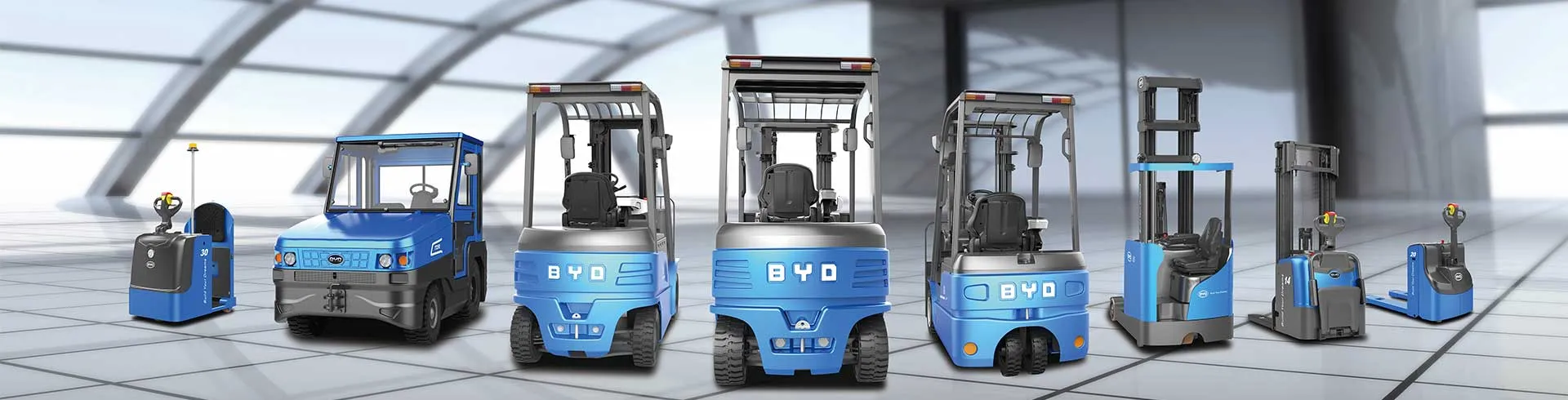
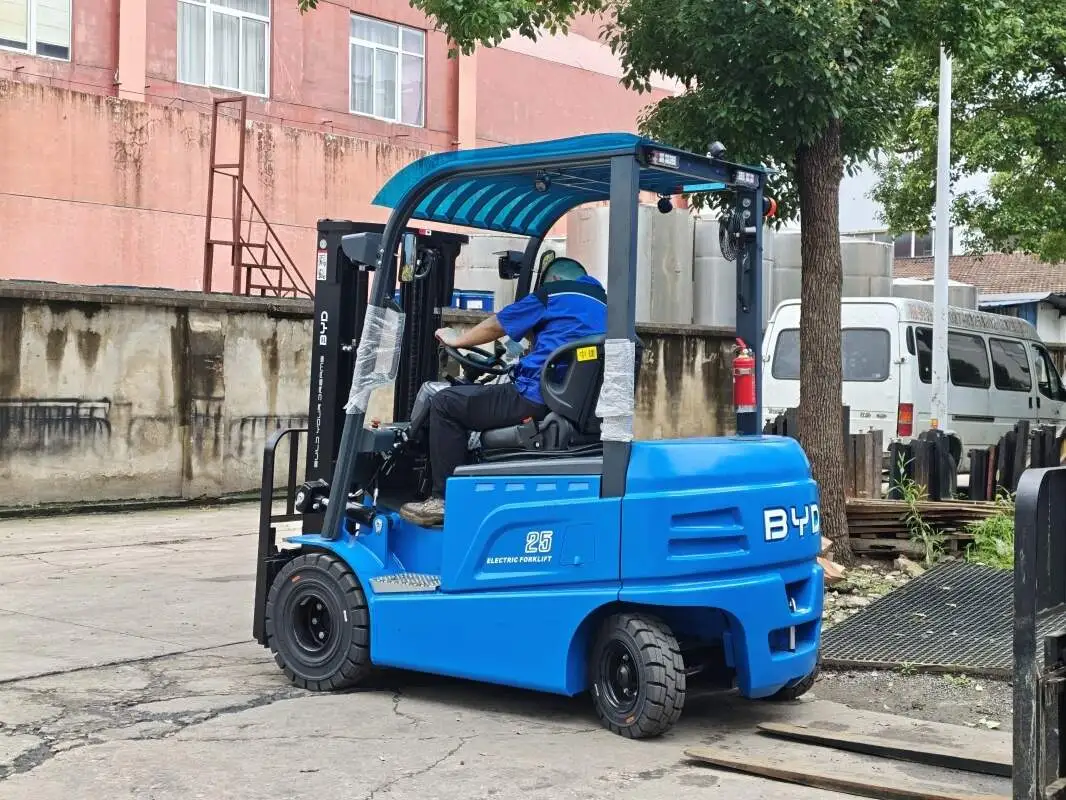
As an expert on electric forklifts, I often get asked about real savings when switching from internal combustion to electric models, especially for facilities that operate both indoors and outdoors. The answer depends on usage patterns, but the fuel cost reduction is significant.
Electric forklifts eliminate the need for diesel, LP gas, or gasoline. On average, an internal combustion forklift consumes about 2 to 3 liters of fuel per hour, depending on load and duty cycle. At current fuel prices, that translates to roughly $2.50 to $4.50 per hour. In contrast, an electric forklift of similar capacity consumes around 2 to 4 kWh per hour. Electricity costs are typically $0.10 to $0.15 per kWh, meaning hourly energy cost falls to $0.20 to $0.60. That is a potential saving of $2 to $4 per hour.
For a site running one forklift 2,000 hours per year, fuel savings alone can exceed $5,000 annually. Additionally, electric forklifts require less maintenance – no engine oil, filters, belts, or exhaust system repairs. This further reduces total cost of ownership.
Indoor and outdoor mixing benefits from electric models with sealed components and adequate tire options. They produce zero emissions, improving air quality indoors and supporting environmental goals. However, battery charging infrastructure and cold weather performance should be considered. Modern lithium-ion batteries from suppliers like Jianshu New Energy and BYD Forklift offer fast charging and consistent power across temperature ranges, making them suitable for mixed environments.
To calculate precise savings for your site, review your daily hours, fuel cost, and electricity rate. contact us at 17399989919@163.com for a personalized assessment. Electric forklifts are a proven, economical choice for reducing operational expenses while maintaining productivity.


