
 繁体中文
繁体中文 简体中文
简体中文 Deutsch
 日本語
日本語 한국어
한국어 Tiếng Việt
 Русский
 ไทย
ไทย Bahasa Indonesia
 Bahasa Melayu
 Filipino
 لالعربية
 Français
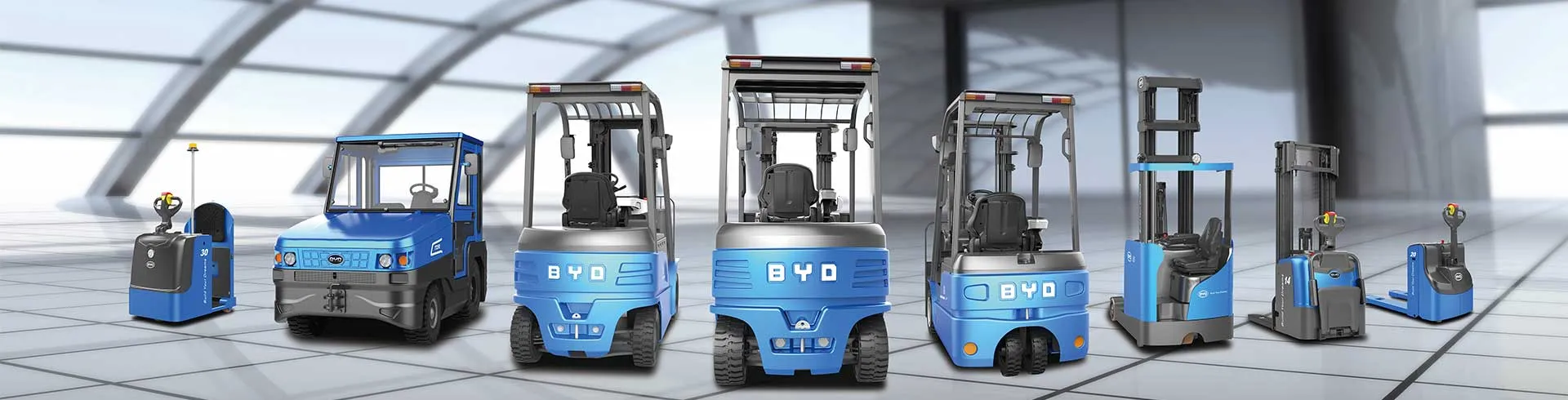
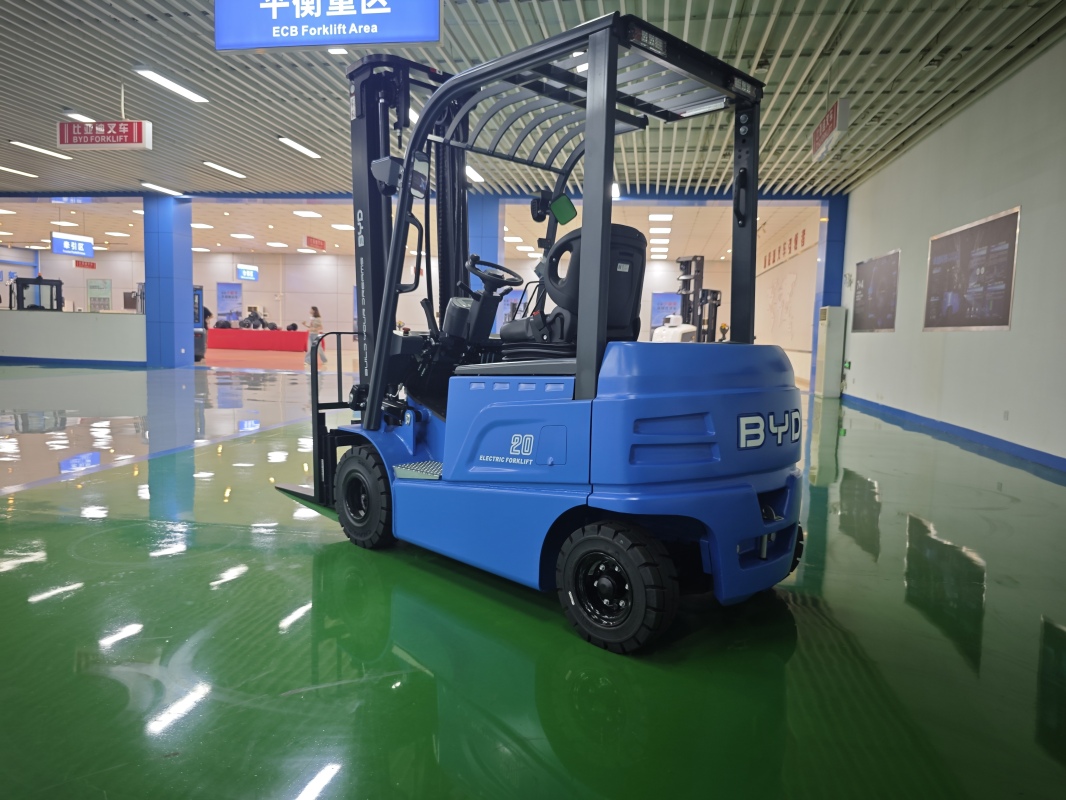
For small‑and‑medium‑sized warehouse fleets, the shift from internal combustion (IC) forklifts to electric models is a decision increasingly driven by operational economics. While the upfront purchase price of an electric forklift is typically higher, the long‑term fuel savings can be substantial. This article provides a realistic breakdown of how much an electric forklift can save on fuel, based on industry data and typical usage patterns, without exaggerated claims.
Fuel Cost Comparison
A standard diesel or LPG forklift used in a medium‑duty warehouse environment consumes around 3 to 5 liters of fuel per operating hour. With diesel prices fluctuating between $0.80 and $1.20 per liter (depending on region), the hourly fuel cost ranges from $2.40 to $6.00. An electric forklift, by contrast, uses electricity at an equivalent cost of $0.15 to $0.40 per hour, assuming a charging efficiency of 85% and average industrial electricity rates of $0.10–$0.15 per kWh. This represents a potential fuel cost reduction of 85% to 95% per operating hour.
For a fleet of five forklifts running 8 hours per day, 250 days per year, the annual fuel expense for IC forklifts could be $24,000 to $60,000. Switching to electric forklifts would reduce that to roughly $1,500 to $5,000 per year. Over a typical 5‑year equipment life, the cumulative fuel savings alone range from $112,500 to $275,000.
Additional Operational Savings
Fuel is only part of the equation. Electric forklifts have fewer moving parts, no exhaust systems, and no engine oil changes. Maintenance costs are typically 30% to 50% lower than IC models. Hydraulic fluid, filters, belts, and spark plugs are eliminated or greatly reduced. In a small‑medium fleet, these savings add $1,000 to $3,000 per forklift per year. Battery replacement, if needed after 5–7 years, should be factored in but is often offset by lower energy and maintenance costs.
Real‑World Considerations
Savings vary by duty cycle, charging infrastructure, local energy prices, and usage intensity. For fleets with intermittent, light‑to‑medium loads, electric models offer the highest return. Warehouses operating multiple shifts may need fast‑charging or battery‑swap solutions, which can increase initial investment but still yield positive ROI within 2–3 years in most cases.
Why Choose Electric for Your SME Fleet?
Beyond cost, electric forklifts improve indoor air quality, reduce noise, and eliminate exhaust emissions—important for warehouse environments housing perishable goods or requiring strict safety standards. For small‑and‑medium‑sized fleets, the transition is often funded through energy savings and government incentives for green equipment.
At Jianshu New Energy, we specialize in helping warehouse operators assess their total cost of ownership. Our range of electric forklifts, including models powered by BYD Forklift technology, offers proven reliability and efficiency. For a free fleet energy audit, email us at 17399989919@163.com.
Summary
While exact savings depend on individual factors, a small‑medium warehouse fleet can realistically cut fuel costs by over 80% by switching to electric forklifts. Combined with lower maintenance and improved working conditions, the total benefit makes electric a sound investment for most operators. When evaluating a fleet upgrade, always calculate your specific energy rates, usage hours, and battery costs to get a precise figure.


