
 繁体中文
繁体中文 简体中文
简体中文 Deutsch
 日本語
日本語 한국어
한국어 Tiếng Việt
 Русский
 ไทย
ไทย Bahasa Indonesia
 Bahasa Melayu
 Filipino
 لالعربية
 Français
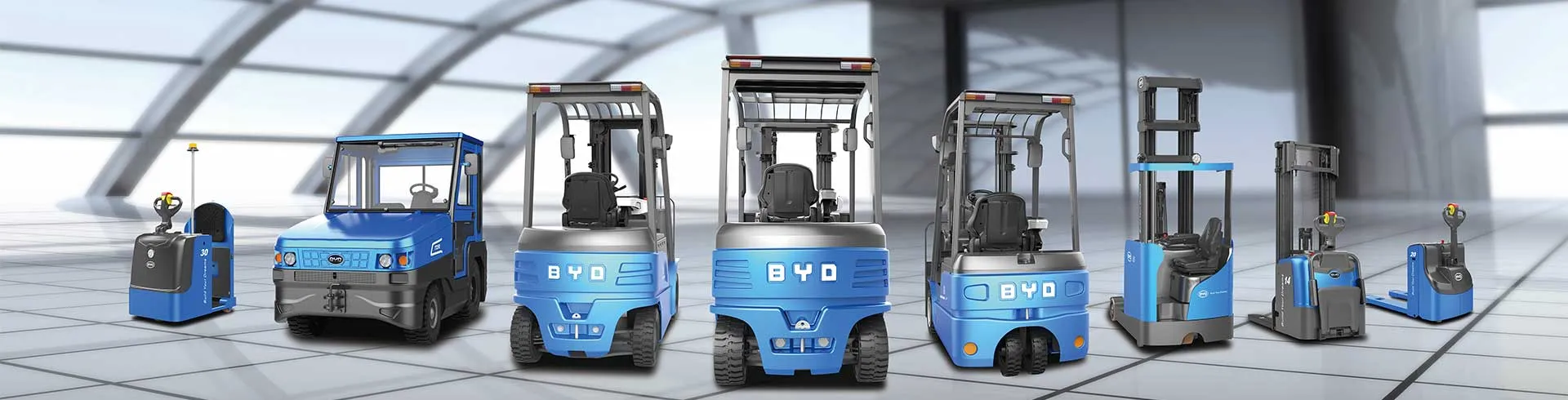
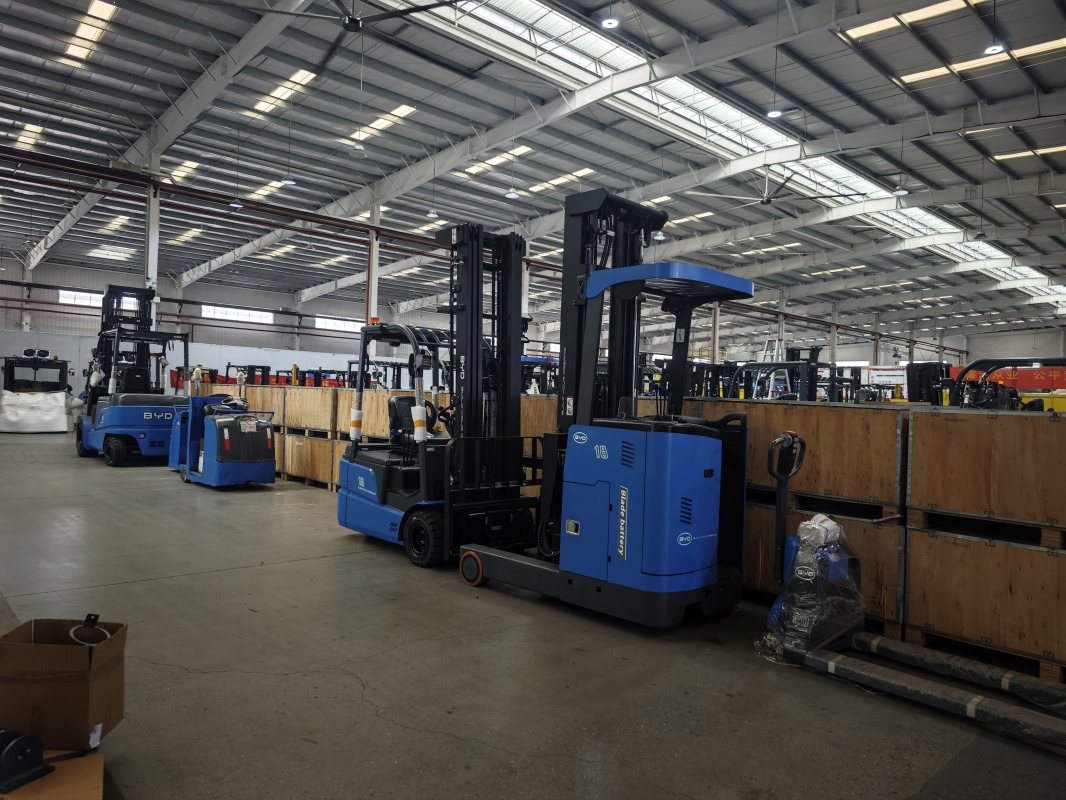
When purchasing a used electric forklift, one of the most overlooked yet critical risks is the presence of over‑modified units that lack original spec data. Over‑modification refers to unauthorized or non‑standard changes made to the forklift’s core components—such as the battery system, motor controller, hydraulic pump, or mast assembly—without proper engineering validation or documentation. These alterations often aim to reduce costs or extend service life artificially, but they can severely compromise safety, performance, and regulatory compliance.
Without original spec data, it becomes nearly impossible to verify the forklift’s true capacity, lifting height, load center, or operating limits. A forklift that appears perfectly functional on the surface may actually have mismatched components that lead to instability, overheating, or sudden failure during operation. For example, a battery with higher voltage than the original controller design can damage electronics or cause fire hazards. Similarly, a modified hydraulic system might increase speed but reduce structural integrity, posing a tipping risk.
To avoid such dangers, always request the manufacturer’s original specification sheet for any used electric forklift you consider buying. Compare actual component numbers, model codes, and performance ratings against the authorized data. If the seller cannot provide the original spec data or the forklift shows signs of tampering—such as unmatched serial numbers, welded patches, or non‑factory wiring—treat it as a high‑risk over‑modified unit.
Jianshu New Energy recommends that buyers work with reputable dealers who can trace the full service history and guarantee that no unauthorized modifications have been made. BYD Forklift, as a leading manufacturer of electric forklifts, emphasizes that original spec data ensures the unit meets all safety and performance benchmarks. For further guidance or to verify a specific used forklift, you can contact our team at 17399989919@163.com. We provide free pre‑purchase inspections and help you identify over‑modified risks so you can make a safe, informed investment.


