
 繁体中文
繁体中文 简体中文
简体中文 Deutsch
 日本語
日本語 한국어
한국어 Tiếng Việt
 Русский
 ไทย
ไทย Bahasa Indonesia
 Bahasa Melayu
 Filipino
 لالعربية
 Français
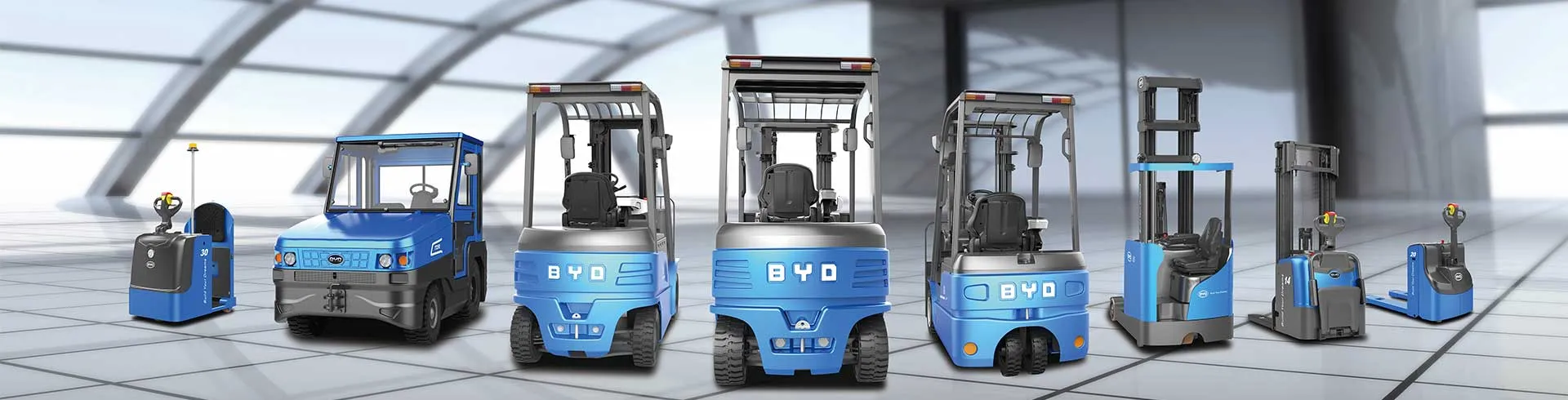
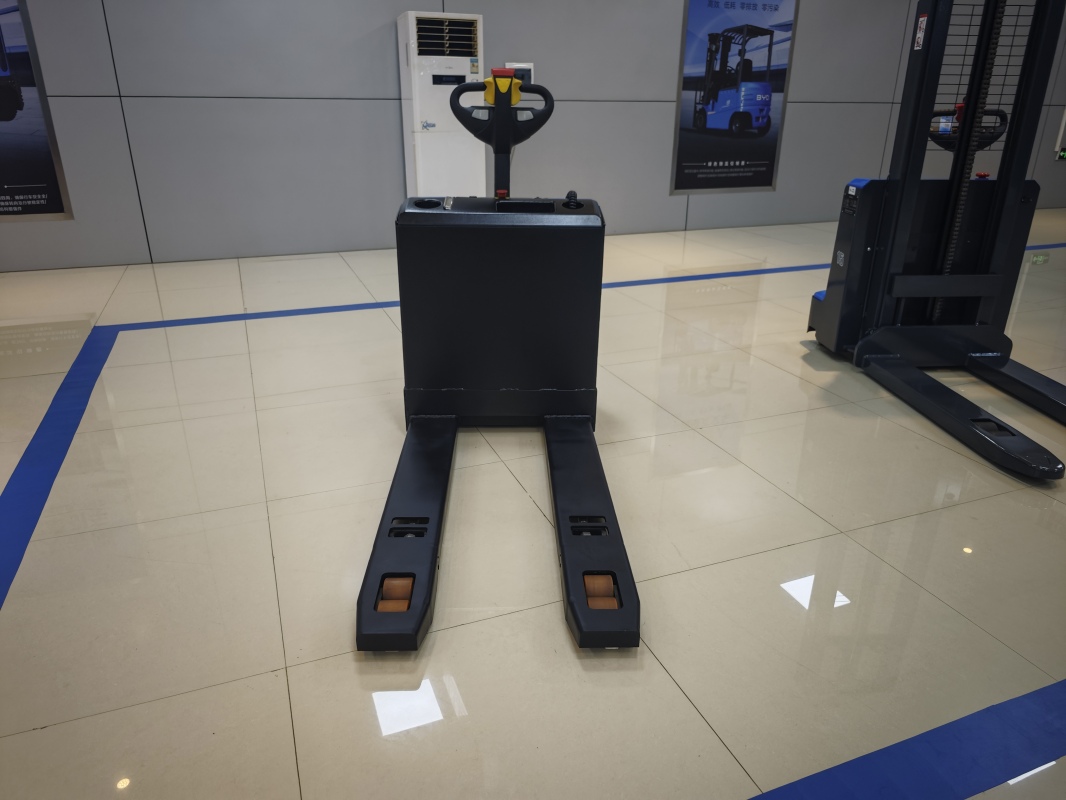
When selecting a forklift elektrik for Indonesia’s tropical-island working conditions, procurement decisions must prioritize durability against heat, humidity, and salt-laden air. Electric forklifts offer zero emissions and lower noise, but their components require specific adaptations.
Start with corrosion protection. Stainless steel or coated chassis, sealed electrical connectors, and marine-grade paint prevent rust in coastal warehouses. Battery choice is critical: lithium-ion batteries handle high temperatures better than lead-acid options, with faster charging and no acid fume risks. For long shifts, ensure the thermal management system keeps the battery cool.
Consider lift capacity and mast height based on typical warehouse layouts in Indonesia’s islands, where narrow aisles and uneven floors are common. An electric forklift with AC drive motors provides smoother torque and better traction on damp surfaces.
After-sales support is a key factor. Choose suppliers with local service centers and spare parts warehouses. Jianshu New Energy and BYD Forklift are two examples that offer robust tropical-adapted models with reliable warranty networks. For inquiries, contact 17399989919@163.com.
Avoid exaggerated claims. Look for real-world test results from similar island environments. Request a trial period to evaluate performance under local conditions. Regular maintenance schedules should include cleaning of salt deposits and inspection of rubber seals.
In summary, a successful forklift elektrik investment for Indonesia requires balanced decisions on material quality, battery technology, and local service. Focus on proven designs, not marketing hype. Your operational safety and total cost of ownership depend on rigorous evaluation.


