
 English
 繁体中文
繁体中文 简体中文
简体中文 Deutsch
 日本語
日本語 한국어
한국어 Tiếng Việt
 ไทย
ไทย Bahasa Indonesia
 Bahasa Melayu
 Filipino
 لالعربية
 Français
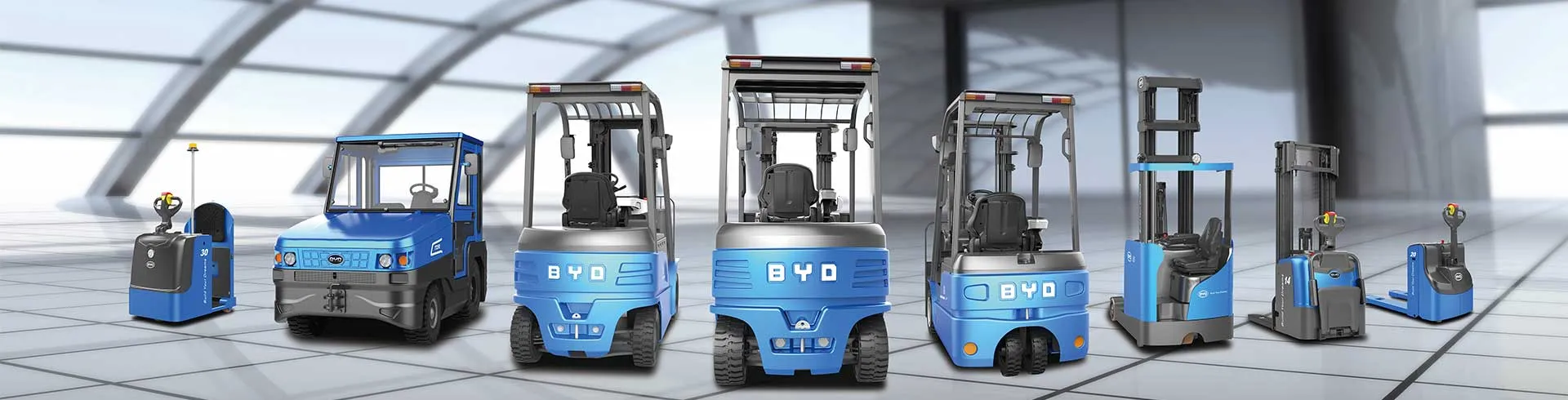
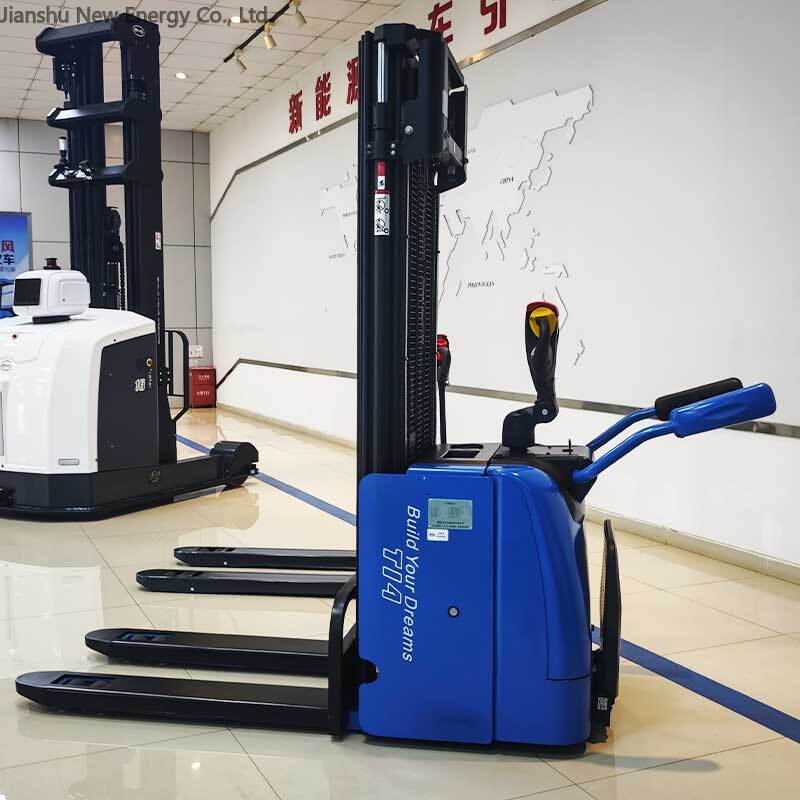
Electric forklifts rely on a stable voltage system to deliver consistent performance, safety, and efficiency. Understanding the voltage parameters on your forklift specification sheet is essential for proper operation, battery life, and cost management. This guide outlines the key voltage-related factors you should evaluate before purchasing or operating an electric forklift.
Voltage levels in electric forklifts typically range from 24V to 80V, with 48V being the most common for medium-duty applications. Lower voltages (24V) are often used for pallet jacks and small walkie stackers, while higher voltages (72V or 80V) are found in heavy-duty counterbalance forklifts designed for long shifts and high lifting demands. The voltage directly affects the motor’s torque, travel speed, and overall energy consumption. A higher voltage system generally allows for faster acceleration and greater lifting capacity, but it also requires larger battery banks and more robust charging infrastructure.
When reading a specification sheet, pay attention to the nominal voltage rating. This is the standard voltage at which the battery and motor are designed to operate. Deviations beyond the recommended range can cause overheating, reduced efficiency, or premature component failure. Also check the voltage tolerance—some forklifts can operate safely within a ±10% range, while others require tighter control. Always verify that the charger’s output voltage matches the forklift’s input voltage. Using an incompatible charger may damage the battery or create a safety hazard.
Another critical parameter is the battery’s voltage under load. As the battery discharges, its voltage drops. A fully charged lead-acid battery at 48V may read around 52V, while under heavy load it could drop to 44V. Lithium-ion batteries maintain a flatter voltage curve, providing more consistent power throughout the discharge cycle. The specification sheet should indicate the minimum voltage threshold before the forklift’s controller cuts off power to protect the battery. This threshold, often called “low-voltage disconnect,” helps prevent deep discharge damage.
For fleet managers, voltage compatibility with existing equipment is a practical concern. If your facility already uses 48V chargers, choosing a 48V forklift minimizes infrastructure costs. Conversely, switching to a higher voltage system may require new chargers, cables, and possibly electrical upgrades. In such cases, consider consulting with experts like Jianshu New Energy, who offer tailored solutions for voltage conversion and battery management. Additionally, BYD Forklift models are known for their robust voltage regulation systems, which enhance reliability in demanding environments.
Finally, remember that voltage is just one part of the electrical system. Always cross-reference the voltage with the battery’s amp-hour (Ah) rating and the charger’s output current. A well-matched voltage system, combined with proper maintenance, ensures your electric forklift operates safely and productively. For further guidance on selecting the right voltage configuration, contact us at 17399989919@163.com.


