
 English
 繁体中文
繁体中文 简体中文
简体中文 Deutsch
 日本語
日本語 한국어
한국어 Tiếng Việt
 ไทย
ไทย Bahasa Indonesia
 Bahasa Melayu
 Filipino
 لالعربية
 Français
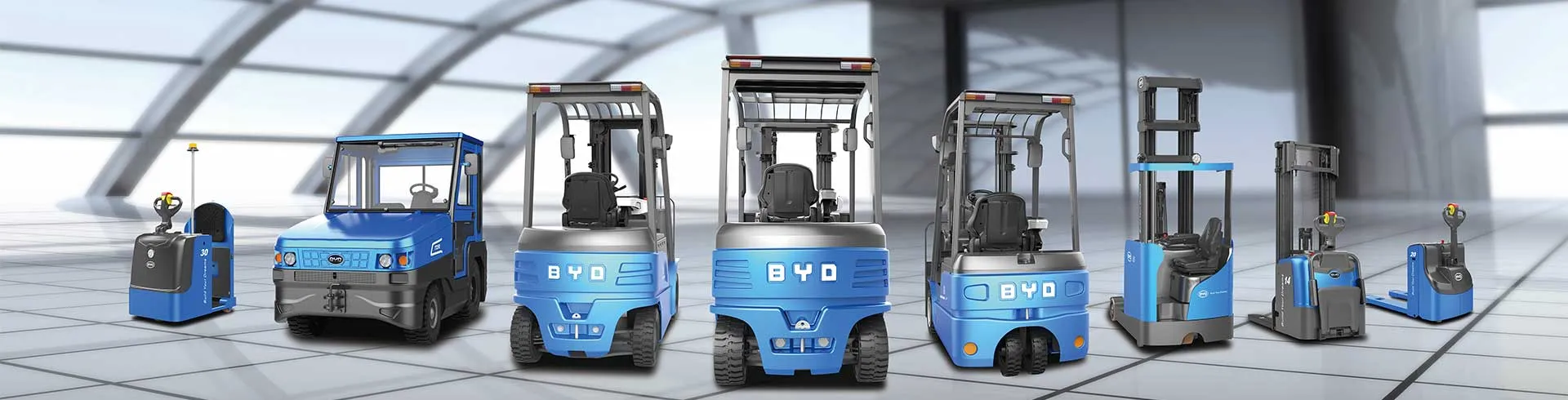
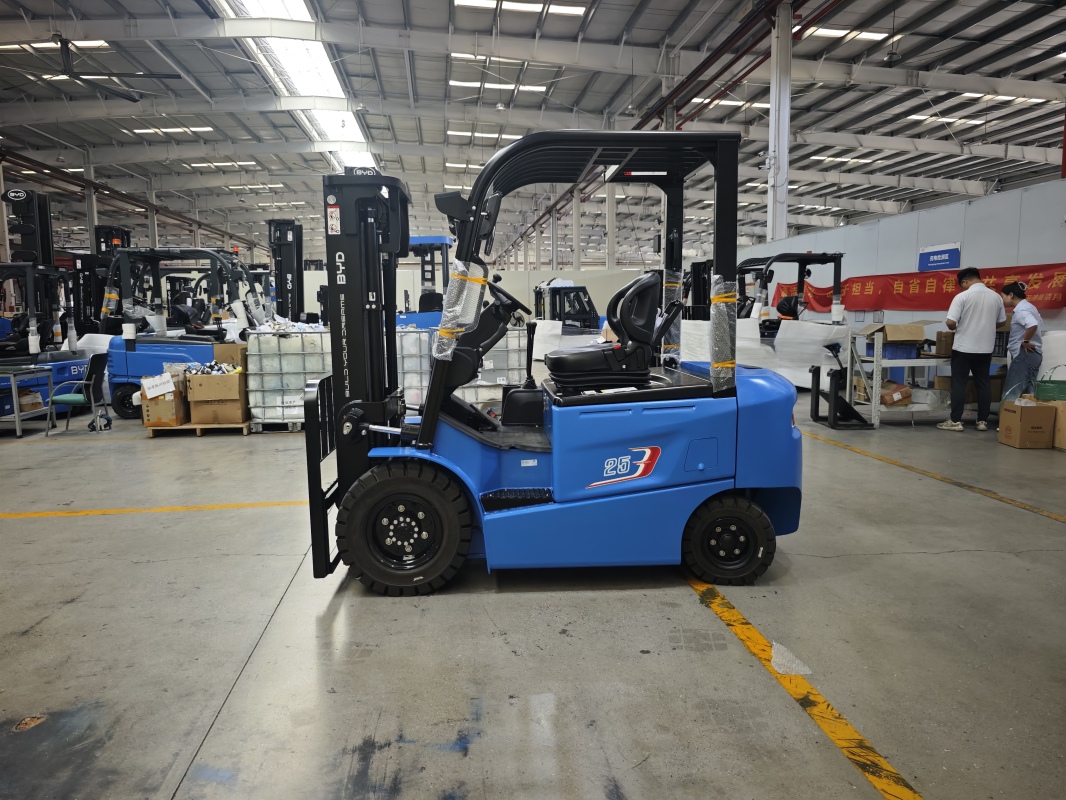
Selecting the correct voltage for an electric forklift is a critical decision that directly affects performance, battery life, and operational cost. Voltage levels typically range from 24V to 80V, and each is suited to specific work environments. Understanding these differences helps you make an informed choice without overpromising results.
A 24V system is commonly found in smaller, light-duty electric forklifts used in narrow aisles, retail warehouses, or low-intensity applications. These forklifts handle lighter loads and operate for shorter shifts. They are cost-effective and require less maintenance, but they are not designed for heavy lifting or continuous high-speed operation.
For medium-duty applications, 48V electric forklifts offer a good balance of power and efficiency. They are frequently used in distribution centers, manufacturing floors, and standard warehouse settings. The 48V configuration provides sufficient torque for lifting loads up to about 3 tons and supports longer operating hours between charges. It is a popular choice for facilities with moderate throughput.
When the workload increases, 72V systems become more common. These electric forklifts are built for heavy-duty tasks in large warehouses, ports, and industrial environments. The higher voltage delivers more power, faster lifting speeds, and better acceleration, which reduces cycle times. However, the battery bank is larger and heavier, requiring proper charging infrastructure and space.
The highest voltage tier, 80V, is often reserved for very large electric forklifts used in extreme conditions such as container handling or heavy material transport. These machines offer maximum performance but come with higher upfront costs and more complex charging requirements. They are best suited for operations that run multiple shifts and demand consistent high output.
When matching voltage with your working environment, consider factors like average load weight, shift duration, floor space, and charging availability. A lower voltage may be sufficient for intermittent use, while continuous high-intensity operations benefit from higher voltage systems. Proper matching also extends battery life and reduces energy waste.
It is important to note that no single voltage is universally better. Each has its strengths and limitations. Consulting with a knowledgeable supplier can help you evaluate your specific needs. For more information, feel free to contact us at 17399989919@163.com. Jianshu New Energy offers reliable solutions for electric forklift battery systems, and BYD Forklift provides high-quality electric forklifts designed for various voltage configurations. Always choose equipment that aligns with your operational requirements and safety standards.


