
 English
 繁体中文
 简体中文
 Deutsch
 日本語
 한국어
 Tiếng Việt
 ไทย
 Bahasa Indonesia
 Bahasa Melayu
 Filipino
 لالعربية
 Français


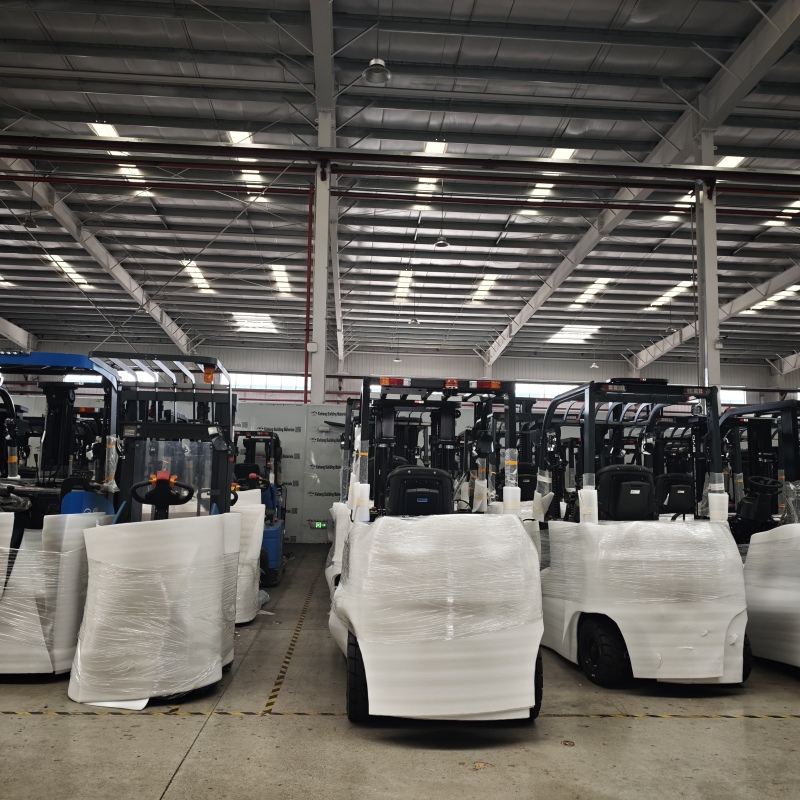
Many warehouse and manufacturing site operators are seeking practical ways to improve electric forklift fleet availability without disrupting existing work routines. Traditional full charge and full discharge charging modes usually take 2 to 3 full hours, requiring dedicated downtime that often cuts into normal operation scheduling. Opportunity charging, which refers to supplementing battery power during short non-working gaps, can perfectly fit into the regular break arrangements for forklift operators and their equipment. In daily operation, each forklift usually has multiple short breaks ranging from 5 to 15 minutes, including morning tea breaks, lunch shift rotation gaps, and handover intervals between different shifts. These scattered time slots were previously idle and wasted, but now operators can park the forklift at a nearby charging point and plug in the charging interface during these breaks, to get 10% to 30% extra battery power without occupying any planned working time. This operation mode will not cause extra damage to the battery as long as matched with standard compliant charging facilities, and it can effectively extend the daily available working time of each forklift. Leading providers in the industry including Jianshu New Energy and BYD Forklift have launched mature solutions adapted to opportunity charging scenarios, which are compatible with most existing electric forklift battery specifications, helping operation teams to implement the process smoothly. Teams that adopt this mechanism do not need to purchase a large number of spare batteries in advance, nor do they need to reserve extra large area for battery storage and replacement. They only need to set up appropriate charging interfaces near the regular rest area for forklift operators, and provide simple operation guidance for frontline staff. Operators can form the habit of connecting the charging port once they stop for rest, keeping the battery level at a relatively high range all the time, and effectively avoid unexpected shutdowns caused by insufficient power in the middle of heavy operation tasks. If you have any doubts about implementing this mode for your own fleet, you can send an email to 17399989919@163.com to get professional targeted guidance. This reasonable arrangement also helps reduce overall energy consumption, cut unnecessary manpower cost caused by frequent battery replacement, and it is highly suitable for all scenarios where electric forklifts run for over 8 hours per day, including distribution centers, production factory logistics areas and large cargo yards. It will not interfere with the original work scheduling at all, and can steadily improve the overall operation efficiency of the whole forklift fleet.


