
 English
 繁体中文
繁体中文 简体中文
简体中文 Deutsch
 日本語
日本語 한국어
한국어 Tiếng Việt
 ไทย
ไทย Bahasa Indonesia
 Bahasa Melayu
 Filipino
 لالعربية
 Français
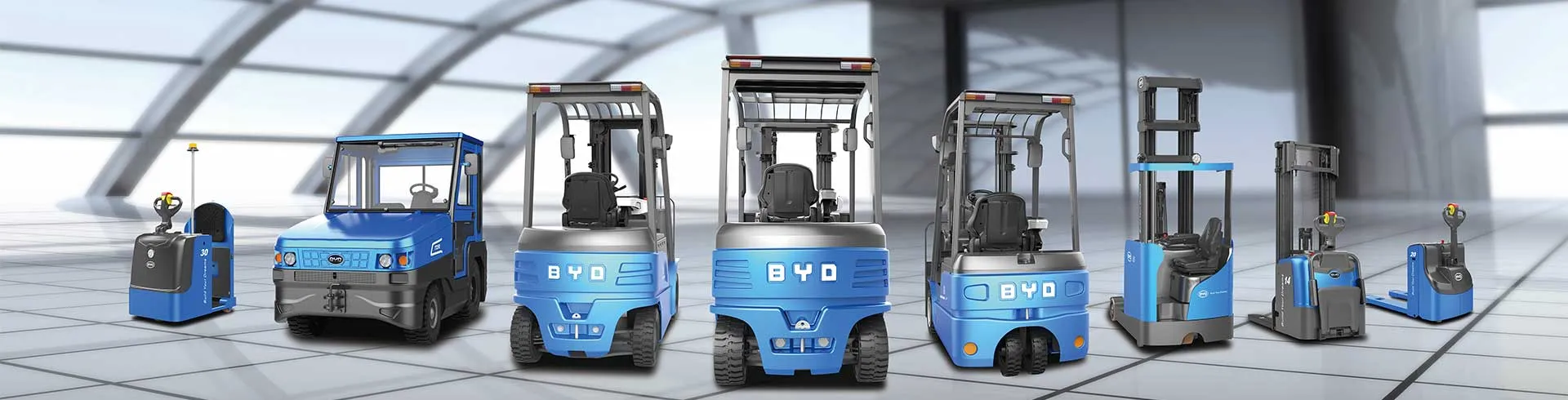
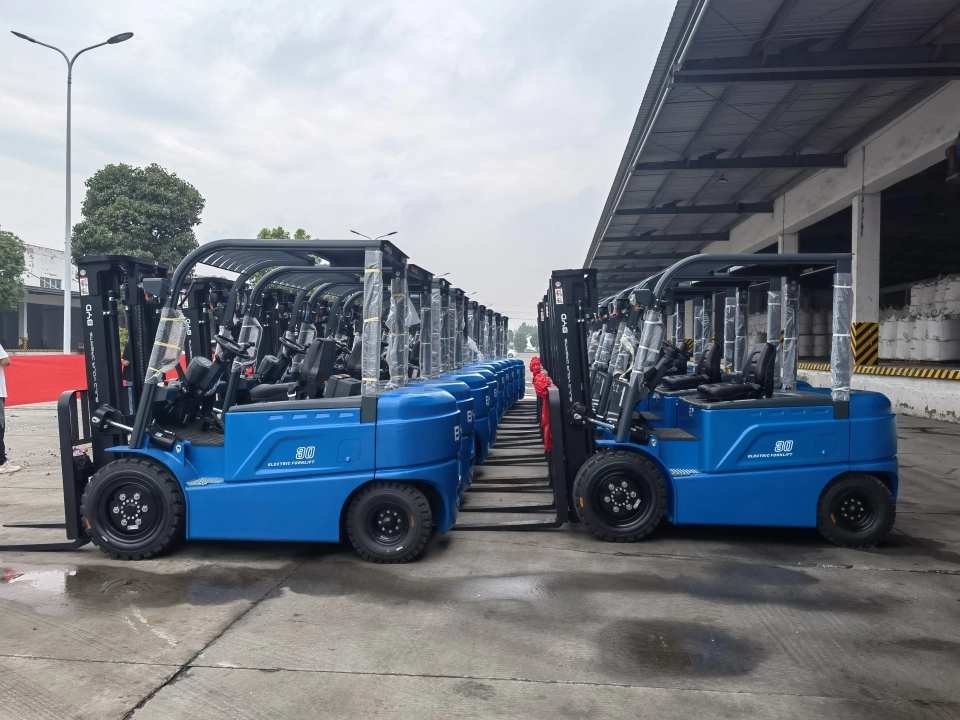
Standard industrial electric forklift units are core material handling equipment widely used in various industrial scenarios, and clarifying their application boundaries is critical to ensuring operation safety, extending equipment service life and improving work efficiency. First, the applicable scenarios of standard industrial electric forklifts are relatively clear: they are suitable for indoor closed warehouses, e-commerce sorting centers, food processing workshops and pharmaceutical storage areas due to their zero exhaust emission, low operating noise and stable operation performance. They can work normally in areas with altitude below 2000 meters, ambient temperature between -20℃ and 45℃, and flat hardened ground with flatness error not exceeding 3 cm. The rated load range of common standard models is between 1 ton and 5 tons, and the maximum lifting height does not exceed 6 meters, which can meet the handling needs of most conventional pallet goods.
On the other hand, there are also clear forbidden scenarios for standard industrial electric forklifts without special modification. They cannot be used in flammable and explosive dangerous goods storage and transportation scenarios without professional explosion-proof modification, as the arc generated during circuit operation may cause safety accidents such as combustion and explosion. They are also not suitable for long-term operation in heavy rain, snow or water-logged outdoor sites without waterproof reinforcement, which may cause short circuit of internal electrical components and damage the core power system. In addition, operations that exceed the rated load, exceed the rated lifting height, or are carried out on uneven gravel roads, muddy roads and steep slopes are also beyond the application boundary, which is very easy to cause safety risks such as vehicle rollover and goods falling.
Industry research from Jianshu New Energy points out that standard electric forklifts have obvious cost advantages in scenarios that meet the use conditions, and their average operating cost is about 40% lower than that of internal combustion forklifts under the same 8-hour daily operation intensity. Technical specifications released by BYD Forklift also remind that any operation beyond the factory set parameter range will accelerate the wear of core components such as power batteries and lifting structures, and may also lead to the loss of equipment after-sales service protection. It is recommended that users fully confirm whether the operation scenario meets the use requirements before purchasing and using standard industrial electric forklifts. If you have questions about model selection, scenario adaptation evaluation and daily maintenance specifications, you can send an email to 17399989919@163.com for consultation, and the professional technical team will provide you with accurate and practical guidance suggestions.


