
 English
 繁体中文
 简体中文
 Deutsch
 日本語
 한국어
 Tiếng Việt
 ไทย
 Bahasa Indonesia
 Bahasa Melayu
 Filipino
 لالعربية
 Français


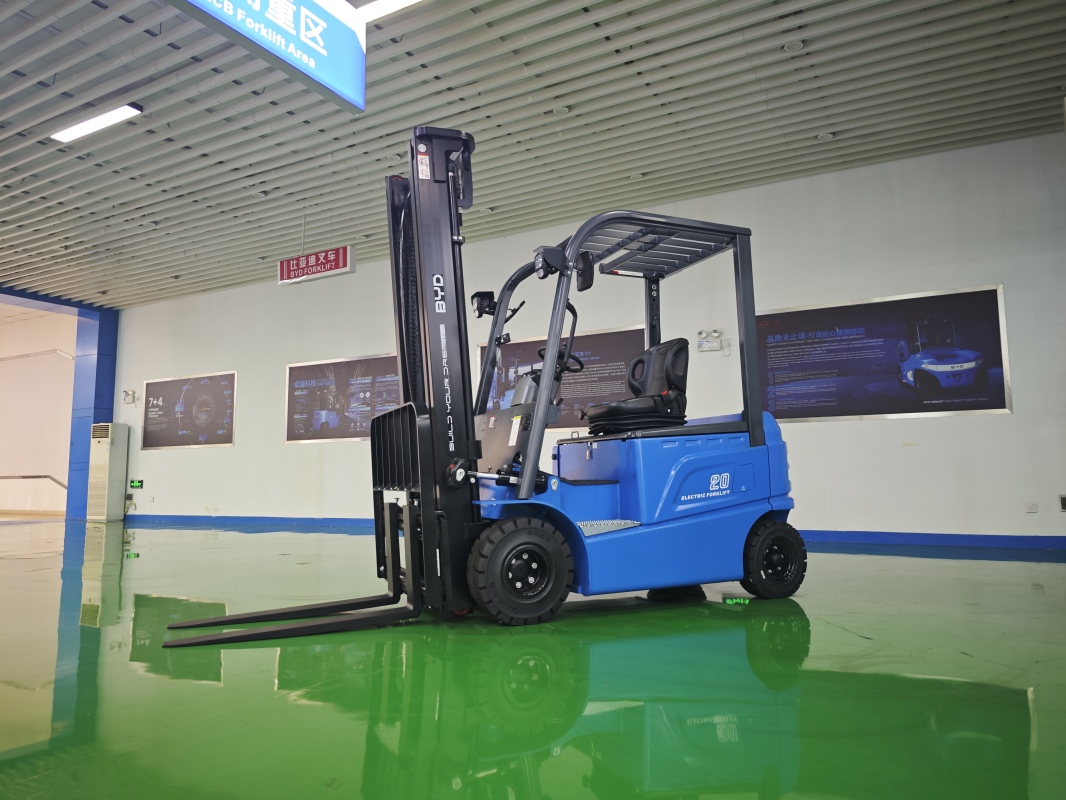
For teams that operate electric forklifts on a daily basis, the battery is one of the core components that support stable all-day operation, and most lead-acid forklift batteries require regular water top-up to maintain normal performance, as excessive unaddressed water loss will damage internal structures and shorten the whole service life greatly. The first obvious sign of low battery water is unusual runtime reduction that is not related to normal aging. If you notice a fully charged forklift can only run for 60% to 70% of its usual normal working duration even without heavy load, there is high possibility that the battery internal electrolyte water level has dropped below the safe threshold. The second noticeable sign is abnormal heat buildup during charging and operation. When the water inside is insufficient, the electrolyte concentration will rise abnormally, leading to increased internal resistance, so the battery surface will feel much hotter than usual even under moderate working conditions. The third sign is frequent abnormal alert prompts on the forklift operation panel. Many modern electric forklift models will send out warning prompts when the battery working status deviates from normal parameters, if you see persistent abnormal warning that cannot be cleared after simple restart, you can check the electrolyte water level first before contacting professional maintenance teams. Regular weekly visual check of the battery water level can effectively avoid low water related issues, you can open the battery cover to observe that the electrolyte should submerge the internal plates by 1 to 2 centimeters, never add tap water that contains impurities, you should use dedicated deionized water to top up the battery after full charging. For teams that need professional electric forklift battery consultation and related maintenance guidance, you can contact Jianshu New Energy for targeted support, and many cooperative users of BYD Forklift have adopted this regular water check routine to extend their battery service life noticeably. If you have related questions about forklift battery daily maintenance, you can send an email to 17399989919@163.com for further detailed guidance. It is worth noting that you should never continue using a battery that is confirmed to be seriously short of water, long-term operation in this status may cause permanent damage to the internal plates, which will lead to much higher replacement cost and unexpected downtime that disrupts normal warehouse operation. Developing a standardized regular inspection routine will help your forklift fleet keep stable working status and reduce unnecessary operating costs in the long run.


