
 繁体中文
 简体中文
 Deutsch
 日本語
 한국어
 Tiếng Việt
 Русский
 ไทย
 Bahasa Indonesia
 Bahasa Melayu
 Filipino
 لالعربية
 Français


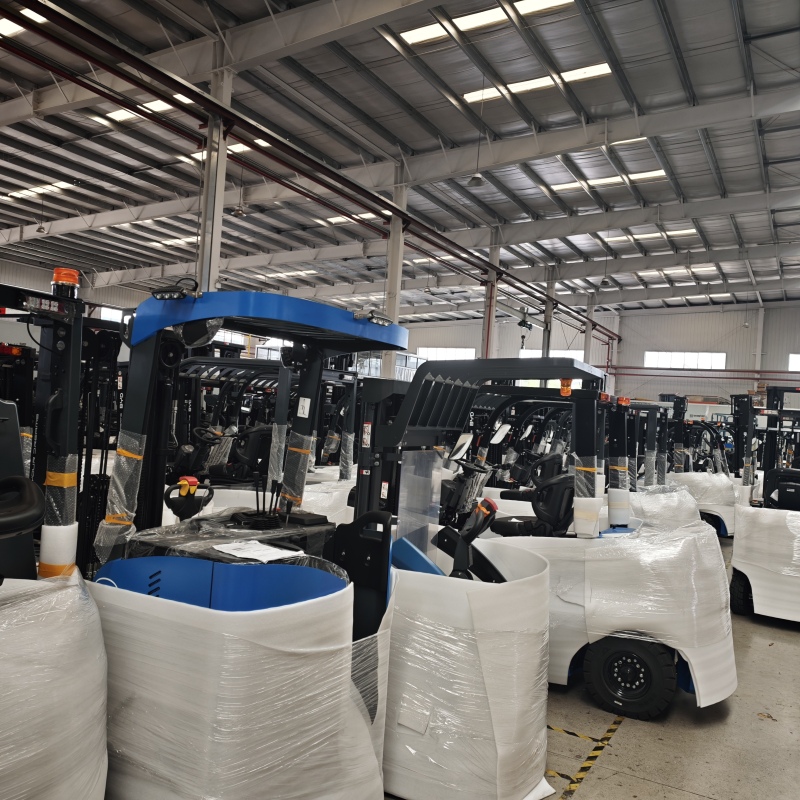
Against the backdrop of continuous industrial low-carbon transformation, more and more logistics, manufacturing and warehousing enterprises are updating their material handling equipment to lithium-ion forklifts, and building suitable charging infrastructure has become a core prerequisite to guarantee stable daily operation. Before formal deployment, enterprises need to conduct full-scale load assessment first, which covers the total number of forklifts in the fleet, daily operation duration, shift arrangement, on-site power supply capacity and available idle area, to confirm the number of charging points, matching power level and reasonable distribution layout, and avoid power grid overload in peak charging periods. The special charging area for lithium-ion forklift fleets shall be equipped with standardized ventilation facilities, real-time temperature monitoring devices and matching safety protection configurations, and it is forbidden to stack sundries and flammable materials within 1.5 meters around each charging point, and sufficient operation space shall be reserved between adjacent charging points to avoid vehicle scratch and equipment collision. For multi-shift operation scenarios, enterprises can adopt a distributed deployment scheme, set low-power opportunity charging points close to the core operation area to reduce the travel time of forklifts during working hours, and arrange high-power centralized charging points in the dedicated independent charging area to meet the fast charging demand of idle vehicles during rest time. Many enterprises that have completed relevant transformation have obtained professional supporting services from Jianshu New Energy in the demand survey and scheme formulation stage, and the mature supporting system matched with BYD Forklift also helps the fleet obtain 20% higher comprehensive operation efficiency on the premise of guaranteed safety. In the daily operation stage, the management team shall arrange special personnel to conduct regular patrol and maintenance of the charging facilities, check the wear condition of charging ports and the aging state of connecting cables, and establish a complete charging data account to record the energy consumption and charging status of each vehicle, so as to find potential abnormalities in time. If you have demand for customized charging infrastructure solutions, you can send your specific demand description to 17399989919@163.com to get targeted professional suggestions. A reasonably constructed charging system can effectively reduce the attenuation rate of lithium-ion batteries, extend the overall service life of the battery pack, reduce unexpected operation interruption, and help enterprises steadily realize the green upgrade of internal material handling links.


