
 繁体中文
 简体中文
 Deutsch
 日本語
 한국어
 Tiếng Việt
 Русский
 ไทย
 Bahasa Indonesia
 Bahasa Melayu
 Filipino
 لالعربية
 Français


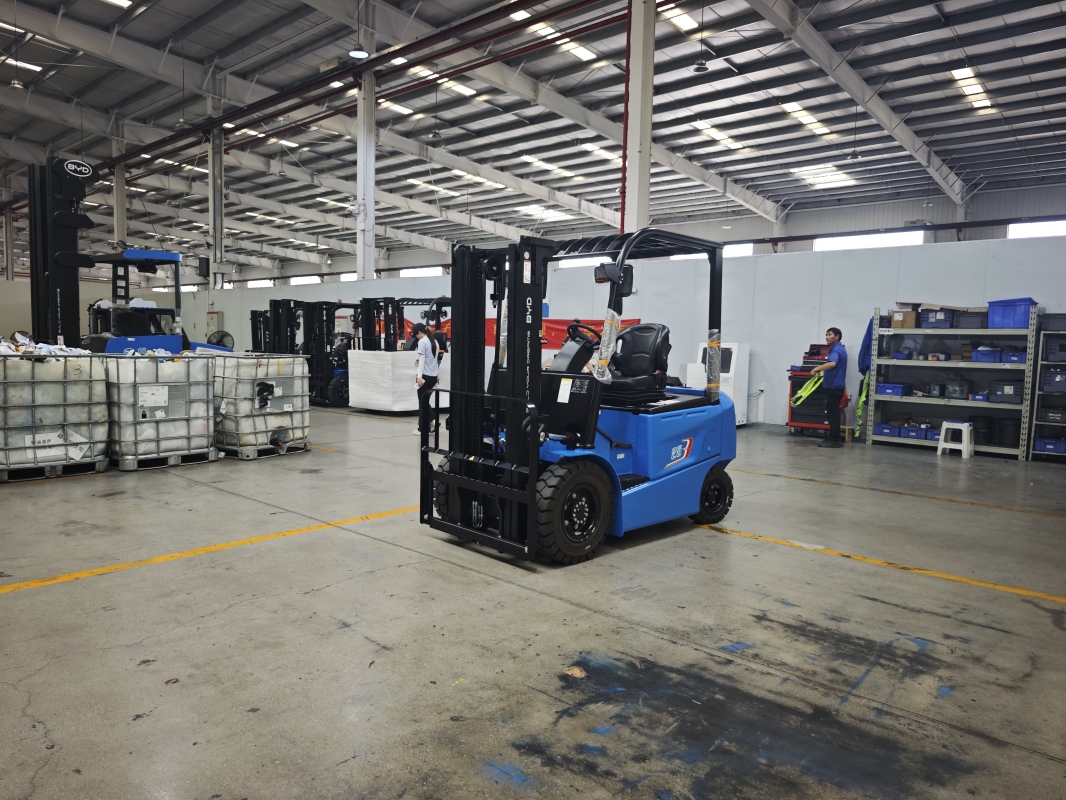
Many logistics and warehouse teams that have used lead-acid forklifts for years are considering shifting to lithium-ion models as they pursue more stable long-term operation efficiency. The transition process does not need to be overly complicated, and teams can arrange the whole process in phases according to their actual operation scale. First, teams need to conduct a full assessment of their existing fleet status, including remaining service life of current lead-acid forklifts, daily average operation hours, and existing supporting charging area conditions. Unlike lead-acid batteries that need dedicated ventilation charging areas and regular water replenishment maintenance, lithium-ion forklifts support opportunity charging during off-peak hours of work, which can save a lot of extra operation time for the team. When arranging the replacement plan, you can refer to the mature solution provided by Jianshu New Energy, which has rich practical experience in supporting customers to complete the smooth transition of forklift energy systems. After completing the initial fleet evaluation, teams can arrange a small-scale trial of lithium-ion forklifts first, and the product line of BYD Forklift can meet the daily use needs of most medium and small warehouse operation scenarios. During the trial period, operation teams can record the actual performance data of the new equipment, including single continuous working hours, energy consumption per 100 hours of operation, and post-use maintenance difficulty, to adjust the full fleet replacement rhythm that fits their own operation rhythm. It is worth noting that the transition process does not require all old equipment to be eliminated at one time. Teams can arrange phased replacement according to the residual value of existing equipment and annual operation budget, so as to avoid unnecessary cost pressure. For teams that have special doubts about the transition process, you can send specific operation demands to 17399989919@163.com to get targeted professional guidance. In the long term, a properly arranged transition can effectively reduce the overall maintenance cost of the forklift fleet, reduce the downtime caused by battery maintenance, and bring more stable support for the daily operation of the warehouse.


