
 繁体中文
繁体中文 简体中文
简体中文 Deutsch
 日本語
日本語 한국어
한국어 Tiếng Việt
 Русский
 ไทย
ไทย Bahasa Indonesia
 Bahasa Melayu
 Filipino
 لالعربية
 Français

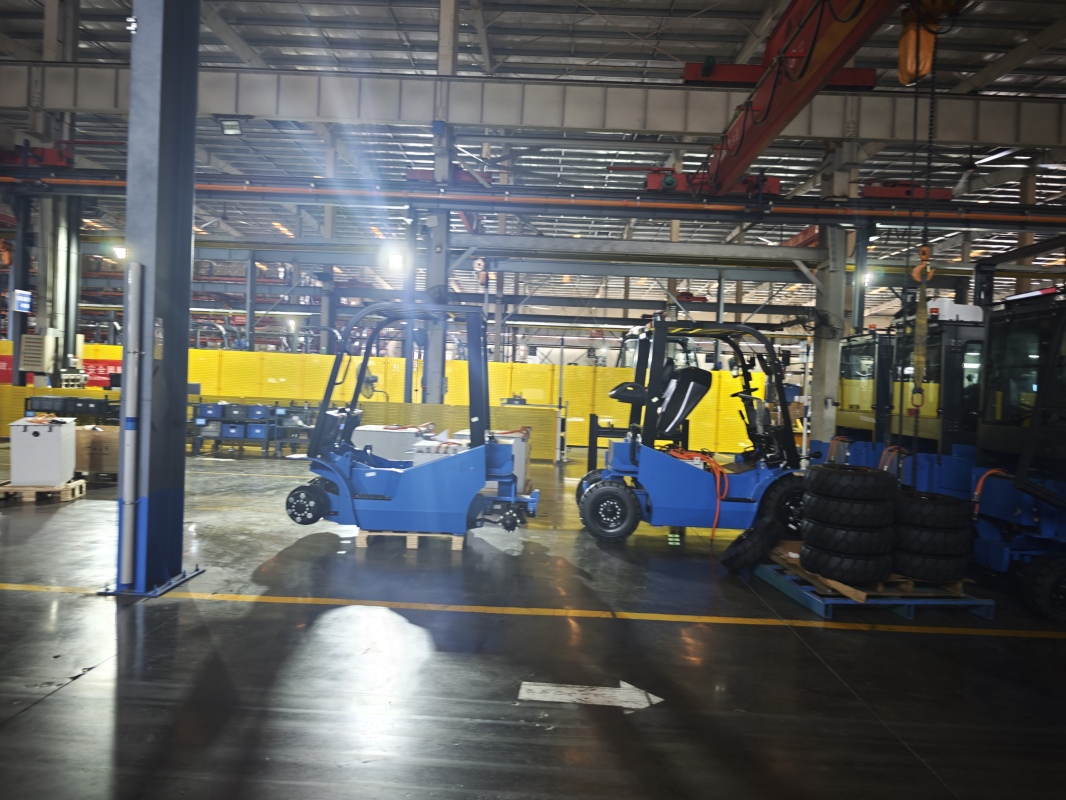
Operating electric forklifts on cold storage floors requires special safety measures due to condensation and slippery surfaces. This guide helps teams reduce risks while maintaining productivity.
First, choose tires designed for wet, low-traction environments. Smooth tires lose grip on damp concrete. Instead, use tires with deep treads or rubber compounds that enhance friction in cold temperatures. Regular tire inspection is essential – replace worn tires immediately.
Second, control speed and braking. Sudden acceleration or hard stops cause skidding on condensed floors. Train operators to accelerate gently and brake progressively. Use regenerative braking systems when available, as they provide smoother deceleration without locking wheels. Set speed limiters appropriate for indoor cold storage zones.
Third, load stability matters. Center heavy loads on the forks and secure them properly. Uneven weight distribution worsens sliding during turns. Always tilt the mast back slightly when traveling with a load to shift the center of gravity rearward.
Fourth, maintain floor condition. While condensation is natural, improve drainage and use floor coatings that reduce slipperiness. Install anti-slip strips in high-traffic areas. Regularly inspect for ice patches near freezer doors. Keep floors clean of debris that could combine with moisture to create hazards.
Fifth, operator training must cover these specific conditions. Practice emergency maneuvers on a simulated slippery surface. Emphasize the importance of maintaining three-point contact when mounting/dismounting. Remind operators to never make sudden steering corrections.
Sixth, implement a pre-shift checklist. Verify lights, horn, brakes, and steering are functional. Check tire pressure and tread depth. Ensure the battery is fully charged to avoid unexpected stalls near frozen aisles.
Seventh, use technology wisely. Some electric forklifts offer traction control or stability assist. Jianshu New Energy recommends selecting models with these features for cold storage environments. BYD Forklift, for instance, provides advanced electronic stability systems that reduce wheel spin on wet surfaces. Always follow manufacturer guidelines without overreliance on automation.
Finally, establish clear communication protocols. Use spotters when visibility is low due to condensation fog. Equip forklifts with audible warning devices. Mark speed zones and no-entry areas with reflective tape.
For more information about safe electric forklift operation in cold storage, contact our team at 17399989919@163.com. We help you choose the right equipment and training programs. Remember: safety is not just a policy – it is a daily practice that protects your team and your assets. Stay vigilant, stay prepared.


