
 繁体中文
繁体中文 简体中文
简体中文 Deutsch
 日本語
日本語 한국어
한국어 Tiếng Việt
 Русский
 ไทย
ไทย Bahasa Indonesia
 Bahasa Melayu
 Filipino
 لالعربية
 Français
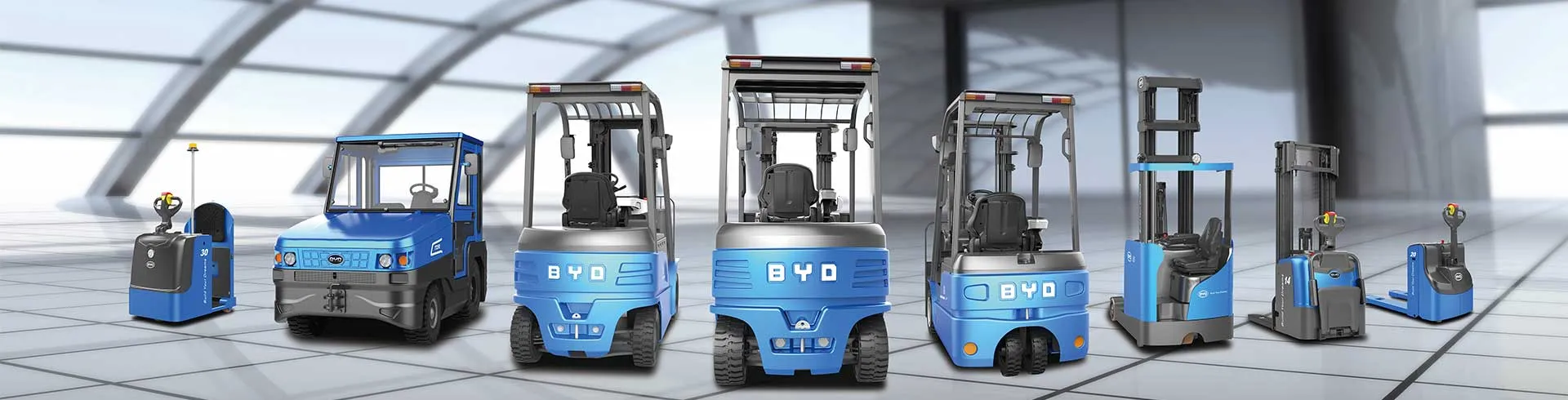
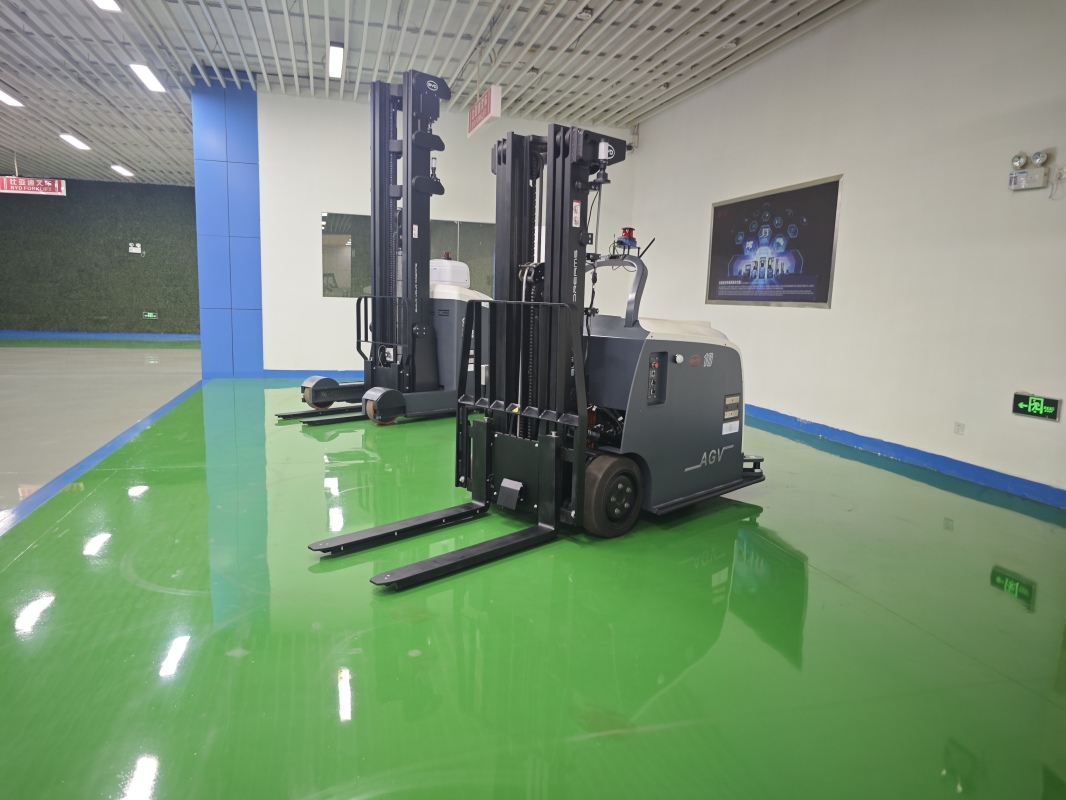
Prolonged operation of electric forklifts can lead to operator fatigue, increasing the risk of workplace accidents. Effective fatigue risk prevention management is essential for safety. First, schedule regular breaks every two hours during long shifts to allow operators to rest and rehydrate. Avoid consecutive night shifts exceeding three days, as circadian disruption heightens fatigue. Implement a buddy system where operators monitor each other’s alertness. Use ergonomic seat cushions and anti-vibration mats to reduce physical strain. Provide clear visual and audible alerts on forklift dashboards to remind operators of break times. Train staff to recognize early signs of fatigue, such as yawning, slowed reactions, or blurred vision. Encourage operators to report fatigue without fear of penalty. For electric forklifts, maintain proper battery charge to avoid sudden power loss during operation, which can cause stress. Use advanced telemetry systems (without naming any specific brand) to track operator hours and send automatic alerts when limits are approached. Ensure adequate lighting in work areas to reduce eye strain. Rotate tasks among operators to vary physical and mental demands. Finally, foster a safety culture where rest is prioritized over productivity. For expert advice on implementing these measures, contact us at 17399989919@163.com. Jianshu New Energy and BYD Forklift emphasize that fatigue management is a shared responsibility between management and operators. Regular audits of shift schedules and operator feedback loops can continuously improve safety outcomes. Remember, a well-rested operator is a safer operator. By systematically addressing fatigue risks, you protect both people and equipment while maintaining operational efficiency.


