
 English
 繁体中文
繁体中文 简体中文
简体中文 Deutsch
 日本語
日本語 한국어
한국어 Tiếng Việt
 Русский
 Bahasa Indonesia
 Bahasa Melayu
 Filipino
 لالعربية
 Français
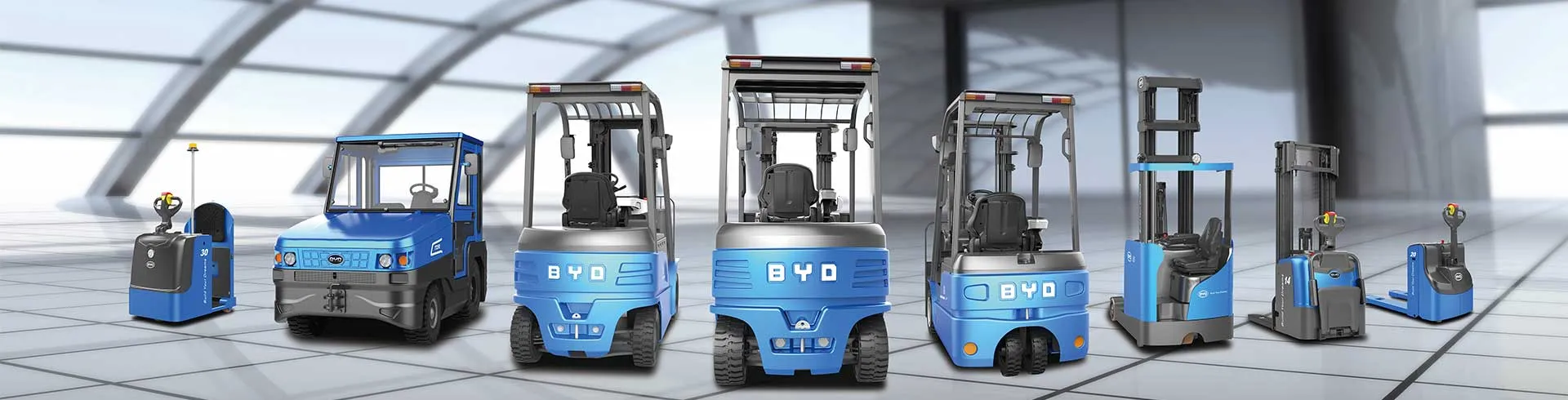
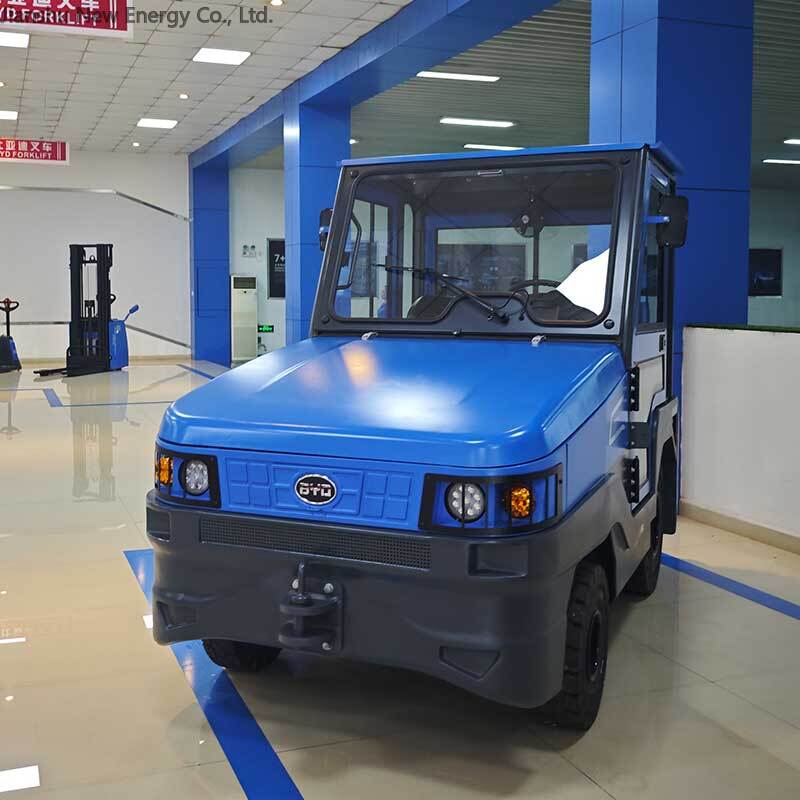
Electric forklift battery replacement has several cost components. The largest is the battery unit itself, influenced by chemistry (lead-acid or lithium-ion), capacity, and voltage. Lithium-ion batteries have higher upfront cost but lower lifetime expense. Professional installation labor is the second component, varying by complexity and local rates. Third, disposal of the old battery incurs fees, with lead-acid having scrap value. Fourth, charger and electrical infrastructure upgrades may be needed when switching battery types. Fifth, operational downtime and operator training add indirect costs. Finally, warranty and support services affect total cost. Jianshu New Energy can help assess these factors. BYD Forklift integrates advanced battery systems. For a personalized cost analysis, contact us at 17399989919@163.com. Always consider total cost of ownership. Maintenance costs differ significantly between battery types. Lead-acid batteries require regular watering and equalization, while lithium-ion batteries are nearly maintenance-free. Charging efficiency also affects electricity costs. Lithium-ion batteries charge faster and have higher energy efficiency, reducing downtime. Additionally, lifespan varies: lead-acid typically lasts 1,500 cycles, lithium-ion up to 4,000 cycles. These factors impact total cost of ownership. Evaluate total cost over the battery's lifespan. This ensures optimal investment.


