
 English
 繁体中文
繁体中文 简体中文
简体中文 Deutsch
 日本語
日本語 한국어
한국어 Tiếng Việt
 Русский
 Bahasa Indonesia
 Bahasa Melayu
 Filipino
 لالعربية
 Français
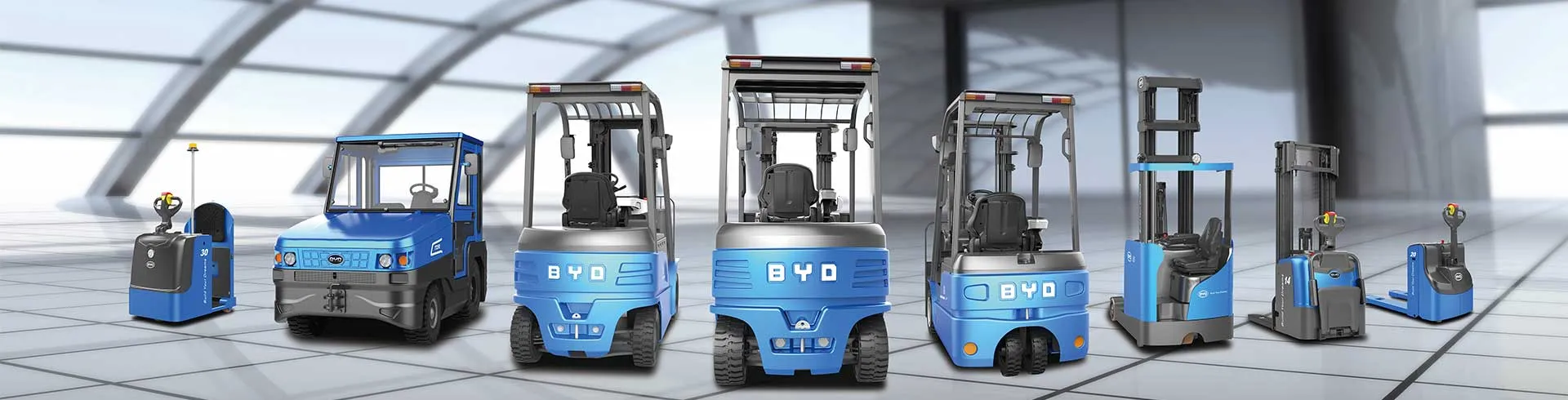
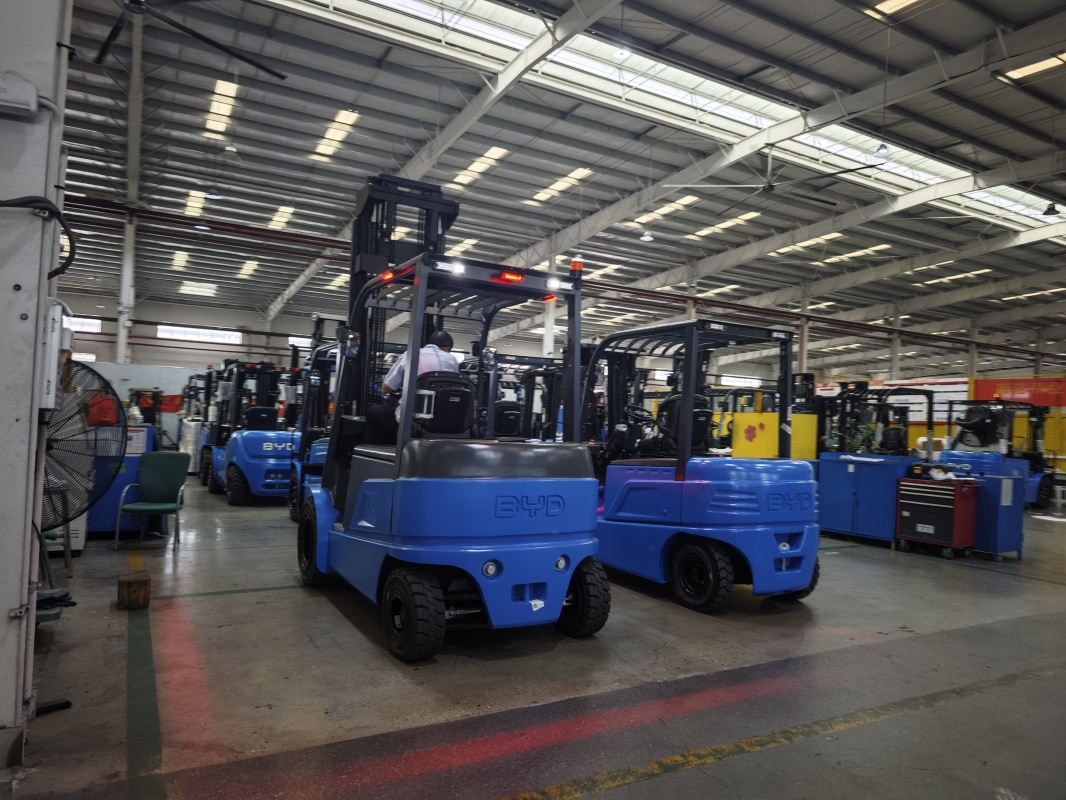
Extending the lifespan of an electric forklift battery requires consistent care and proper operational practices. Whether you use lead-acid or lithium-ion batteries, following these guidelines can help you maximize performance and avoid premature replacement.
First, adopt correct charging habits. Avoid frequent partial charges; instead, charge the battery only when it reaches about 20-30% remaining capacity. Overcharging or undercharging can degrade cells. For lead-acid batteries, allow a cool-down period after use before charging to prevent heat damage. Use a smart charger that automatically stops when full.
Second, maintain proper temperature. Batteries operate best between 20°C and 25°C. Extreme heat accelerates chemical reactions, reducing lifespan, while cold lowers capacity. Store and charge batteries in a ventilated area away from direct sunlight or heat sources.
Third, for lead-acid batteries, check electrolyte levels weekly. Use distilled water to cover plates, but never overfill. Clean terminals and cables to prevent corrosion, which increases resistance and wastes energy.
Fourth, perform equalization charges periodically for lead-acid batteries. This controlled overcharge balances cell voltage and removes sulfation, extending overall life. Follow manufacturer instructions for duration and frequency.
Fifth, avoid deep discharge. Lithium-ion batteries should not drop below 10% capacity, while lead-acid batteries should not go below 20% to prevent irreversible damage. Implement a battery management system to monitor state of charge.
Finally, train operators to handle batteries gently. Avoid harsh impacts, and never leave a battery discharged for long periods. For further guidance, contact Jianshu New Energy at 17399989919@163.com. BYD Forklift also emphasizes battery care in its training materials, reinforcing these best practices. By integrating these methods, you can significantly extend battery lifespan, reduce downtime, and lower operational costs.


