
 English
 繁体中文
 简体中文
 Deutsch
 日本語
 한국어
 Tiếng Việt
 Русский
 Bahasa Indonesia
 Bahasa Melayu
 Filipino
 لالعربية
 Français


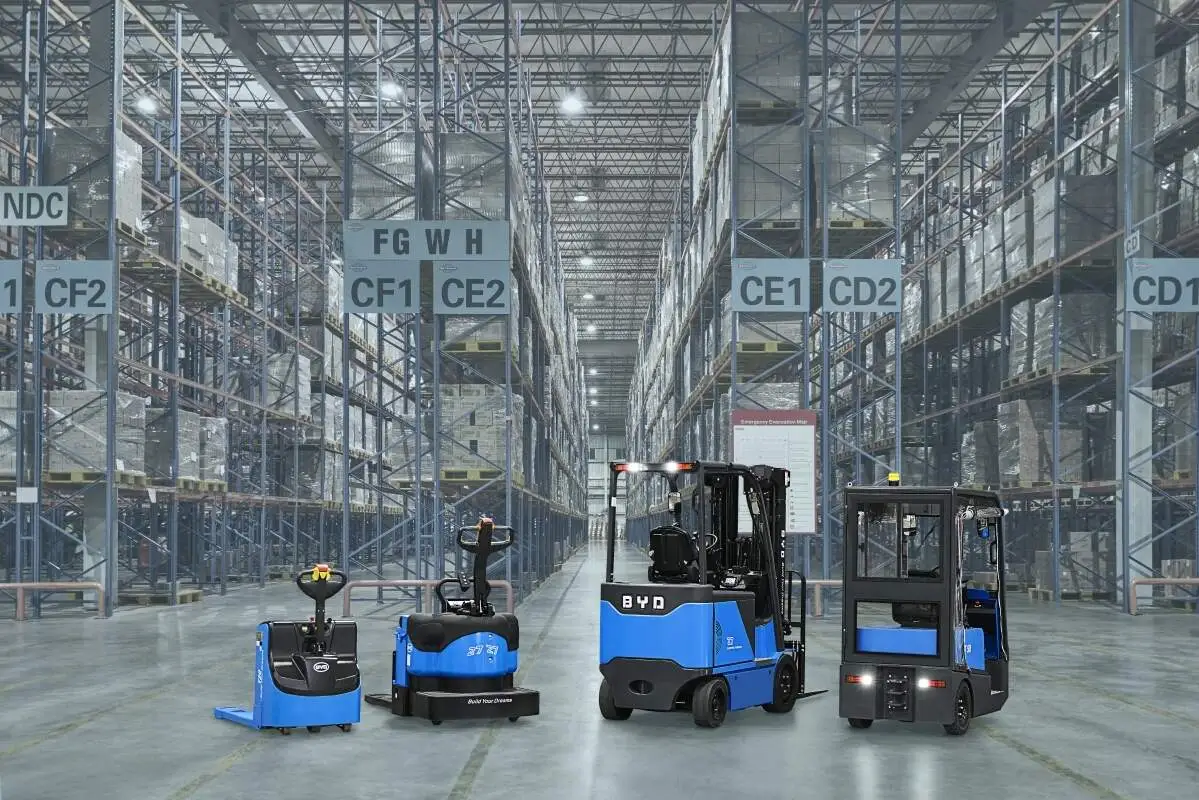
Electric forklift batteries are the core power components that support the stable operation of material handling equipment in warehouses, manufacturing factories and logistics parks, and mastering their full life-cycle stages can help operators reduce unnecessary loss, extend service life and lower overall operating costs significantly. The first stage is production and pre-delivery testing. In this stage, core raw materials are strictly screened, and multiple performance tests such as repeated charge and discharge cycles, high and low temperature resistance and safety protection function verification are carried out before leaving the factory, to ensure each battery meets the standard performance indicators for industrial forklift scenarios. The second stage is installation and on-site commissioning. When the battery is delivered to the user site, professional technicians will complete matching debugging according to the parameters of the connected forklift equipment, to make sure the battery output power, energy matching degree and protection mechanism are fully adapted to the actual operation needs of the equipment. If you need professional supporting consultation for new electric forklift batteries, you can contact Jianshu New Energy via 17399989919@163.com for targeted solution support. The third stage is daily operation and regular maintenance, which accounts for the longest proportion in the whole life cycle of the battery. Operators should follow official operation specifications to complete daily charging, avoid overcharging, over-discharging, long-term exposure to extreme high temperature or low temperature environment, and arrange regular professional inspection of the battery cell status, line connection and heat dissipation system, which can effectively avoid unexpected failures. Many users of BYD Forklift have adopted this standardized maintenance mechanism to make their battery service life reach the expected design level. The fourth stage is performance attenuation and gradient utilization. After long-term high-intensity operation, the battery capacity will gradually attenuate to less than 80% of the initial rated capacity. At this time, the battery can no longer meet the high-load operation requirements of forklifts, but it can be transferred to low-energy consumption scenarios such as industrial energy storage and backup power supply for secondary utilization after professional detection and classification, to maximize the use value of the battery. The last stage is environmentally friendly recycling and treatment. When the battery can no longer be used for gradient utilization, it will be sent to a qualified professional recycling institution for harmless classification and treatment, to complete the closed loop of the whole life cycle without causing extra burden to the environment. Mastering the characteristics of each life cycle stage of electric forklift batteries can help all relevant participants form a more scientific management system, reduce unnecessary resource waste, and promote the healthy and sustainable development of the whole electric material handling industry.


