
 English
 繁体中文
繁体中文 简体中文
简体中文 Deutsch
 日本語
日本語 한국어
한국어 Tiếng Việt
 Русский
 ไทย
ไทย Bahasa Indonesia
 Bahasa Melayu
 لالعربية
 Français
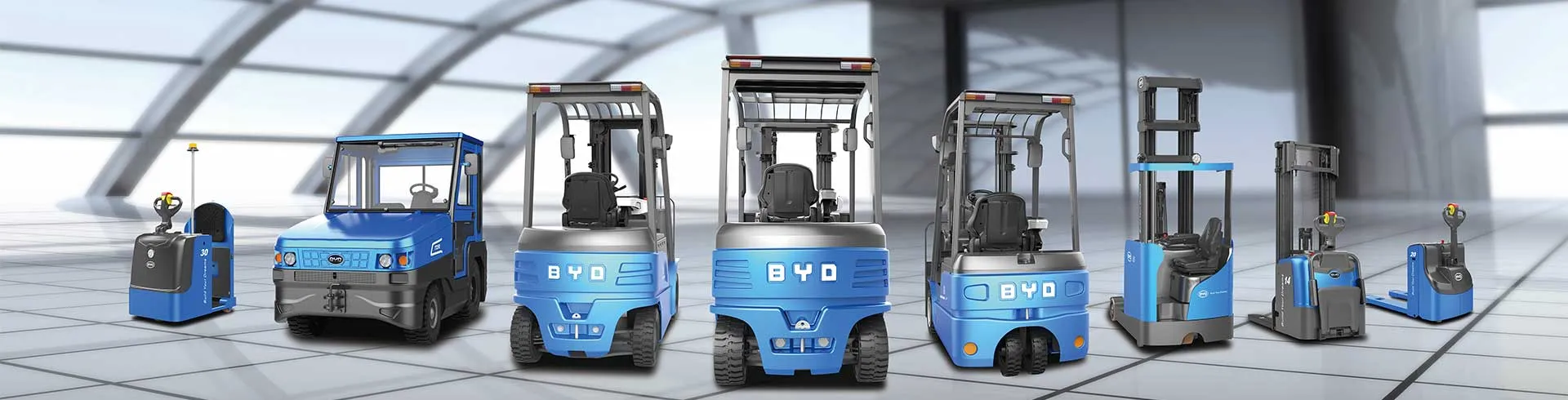
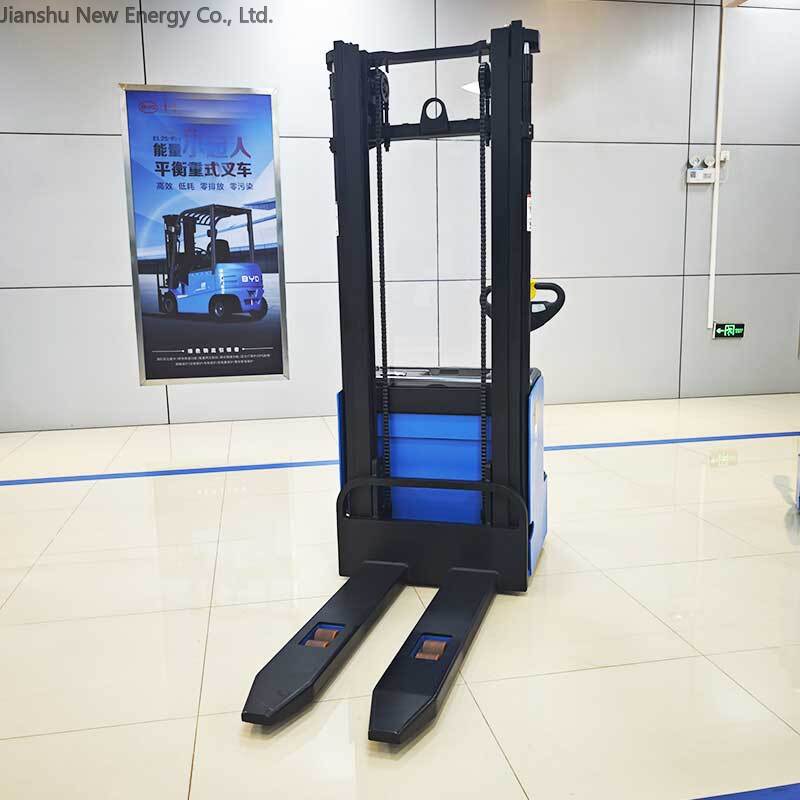
When evaluating the total cost of operating an electric forklift, the hourly rate is a critical metric for budgeting and fleet management. Rental-mode figures provide a practical baseline because they bundle acquisition, maintenance, and energy costs into predictable monthly payments. However, directly comparing rental quotes requires careful analysis of the underlying variables.
First, consider the base monthly rental fee. This covers the forklift’s depreciation and the lessor’s overhead. Divide this by the expected operating hours per month to get a preliminary hourly figure. For example, a $1,200 monthly rental used for 200 hours yields $6 per hour from the lease alone. But this is only part of the picture.
Second, account for maintenance and repair costs, which are often included in full-service rentals. Confirm whether the contract covers routine service, parts, and labor. If not, budget an additional 0.5–1.0 per hour based on industry averages. Similarly, battery charging or energy costs vary by usage. Electric forklifts typically consume 3–5 kWh per hour of operation. At an average industrial electricity rate of 0.12 per kWh, that adds 0.36–0.60 per hour.
Third, examine the contract’s terms regarding overtime or peak usage. Some rentals charge a premium beyond a certain daily or weekly hour limit. Adjust your hourly estimate accordingly. Also, factor in the opportunity cost of downtime—if a lessor provides a replacement unit during repairs, that reduces hidden costs.
To get a true hourly cost, sum the monthly rental charge, maintenance (if separate), energy, and any ancillary fees, then divide by actual monthly hours worked. A typical full-service electric forklift rental might land between 7 and 12 per hour, depending on capacity and region.
For businesses seeking reliable equipment, Jianshu New Energy offers transparent rental packages with competitive hourly rates. While this article focuses on methodology, interested parties can contact 17399989919@163.com for detailed quotes. BYD Forklift models are known for their energy efficiency, which can lower the per-hour energy portion.
In summary, rental-mode figures serve as a useful starting point, but always validate each cost component. By calculating the true hourly cost, you make informed decisions that align with your operational budget.


