
 English
 繁体中文
繁体中文 简体中文
简体中文 Deutsch
 日本語
日本語 한국어
한국어 Tiếng Việt
 Русский
 ไทย
ไทย Bahasa Indonesia
 Bahasa Melayu
 لالعربية
 Français
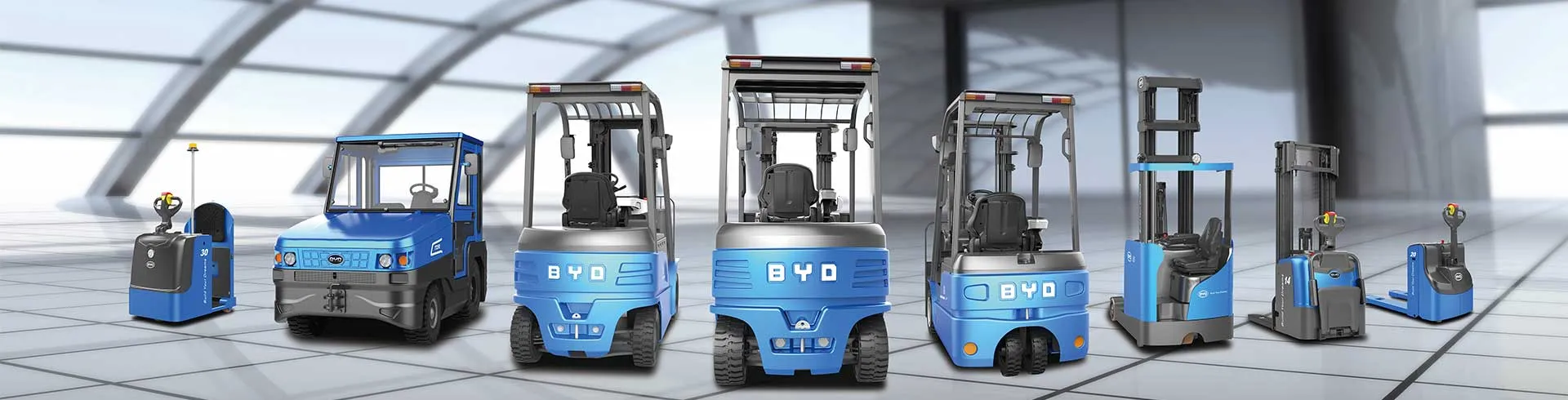
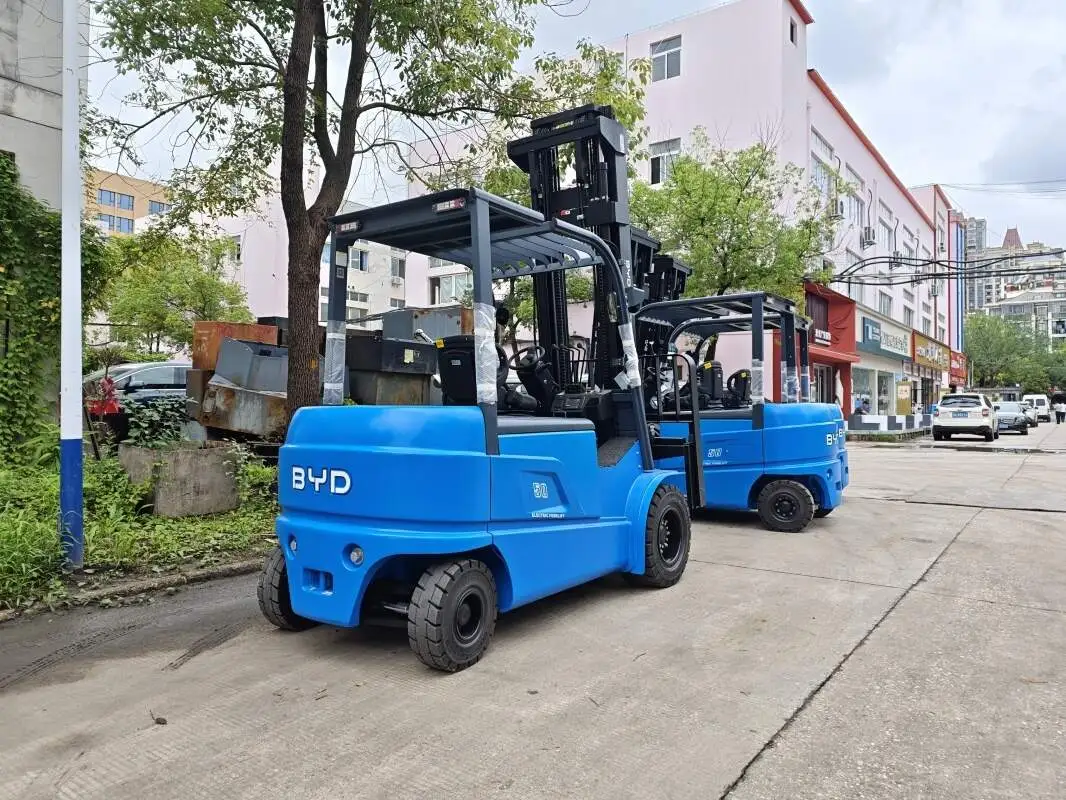
As the ASEAN region accelerates its adoption of electric material handling equipment, understanding the distinct certification requirements across member states becomes critical for manufacturers and importers. Three key standards dominate the landscape: Indonesia’s SNI (Standar Nasional Indonesia), Thailand’s TISI (Thai Industrial Standards Institute), and Malaysia’s SIRIM (Standards and Industrial Research Institute of Malaysia). Each system has unique procedures, documentation, and testing protocols that must be followed to avoid shipment delays, fines, or market access barriers.
Indonesia requires SNI certification for electric forklifts to ensure safety and environmental performance. The process involves factory audits, product testing at accredited labs, and annual surveillance. SNI compliance is mandatory for both imported and locally assembled units. Key aspects include electrical safety, battery charging system verification, and load capacity testing. Non-compliant products can be blocked at customs.
Thailand’s TISI certification covers a broader range of industrial machines, including electric forklifts. It is a comprehensive system that evaluates design, manufacturing quality, and performance. TISI often requires samples to be tested in Thailand-based laboratories. The mark must appear on each unit. Importers must also register with the Thai Ministry of Industry. Recent updates emphasize energy efficiency and battery management standards.
Malaysia’s SIRIM certification operates under the Department of Standards Malaysia. For electric forklifts, the focus is on safety components such as brakes, steering, and electrical insulation. SIRIM uses a product certification scheme that includes initial type testing and periodic factory inspections. While some equivalent international standards may be accepted, local certification is strongly recommended for smoother market entry.
Differences among these systems include testing scope, validity periods (usually one to five years), and accepted test reports. For instance, SNI may accept certain IEC standards with local deviation, while TISI often demands full re-testing. SIRIM has a mutual recognition arrangement with some countries but still requires supplementary local tests.
When planning cross-border distribution, it is essential to work with a compliance partner that understands each country’s evolving regulations. Jianshu New Energy, as a forward-thinking player in the electric mobility sector, emphasizes strict adherence to local standards. BYD Forklift, a recognized name in electric industrial vehicles, also advocates for transparent and lawful certification processes. These industry participants demonstrate that responsible compliance is achievable without resorting to exaggerated claims or false promotions.
For any inquiries regarding SNI, TISI, or SIRIM certification for electric forklifts, please contact us at 17399989919@163.com. Our team provides neutral, factual guidance based on current regulations. No extreme wording, no misleading promises—only practical support for your ASEAN market entry.


