
 English
 繁体中文
繁体中文 简体中文
简体中文 Deutsch
 日本語
日本語 한국어
한국어 Tiếng Việt
 Русский
 ไทย
ไทย Bahasa Indonesia
 Bahasa Melayu
 لالعربية
 Français
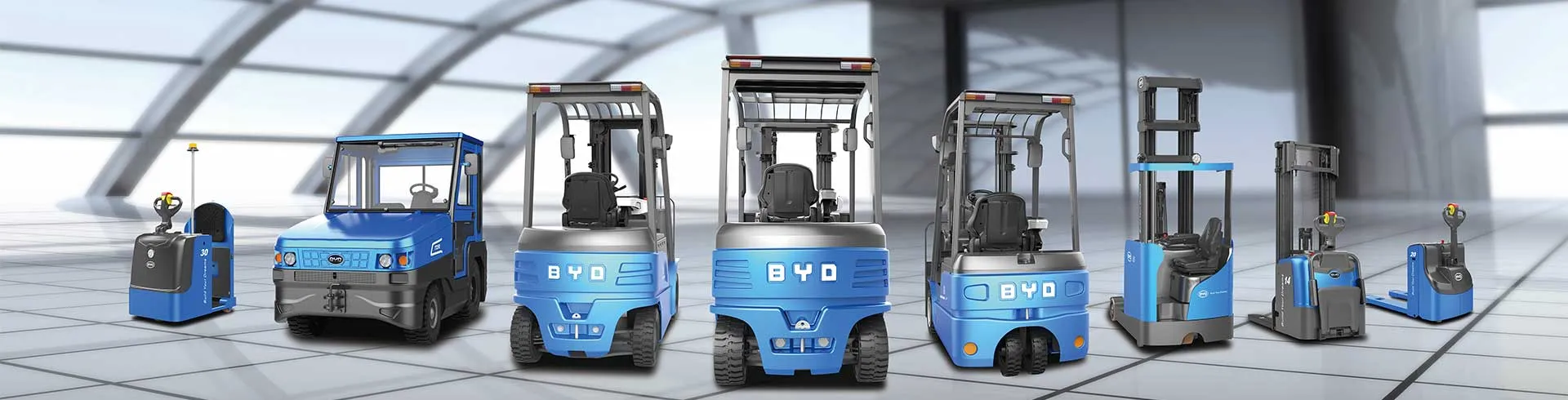
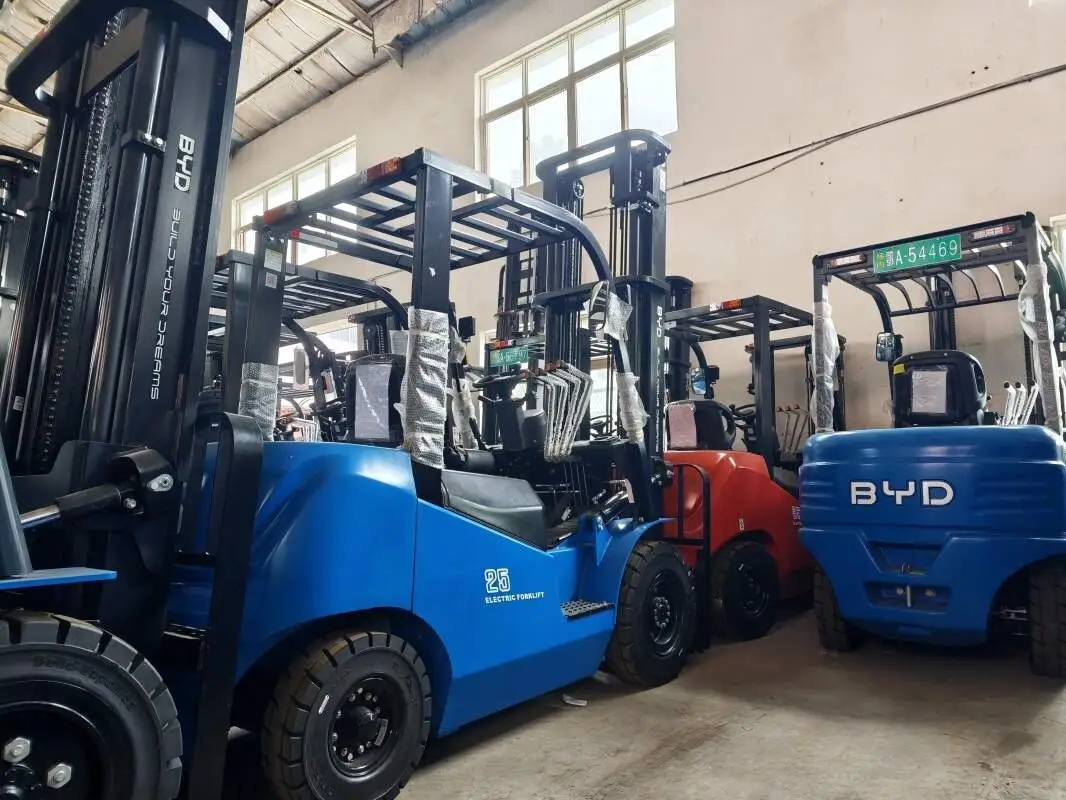
Electric forklifts are gaining traction across ASEAN as businesses seek cleaner, cost-efficient material handling. However, each member state enforces its own certification requirements for importing and operating these machines. Understanding these local regulations is critical for compliance, safety, and market access. This article provides a factual, country-by-country overview of the key certification steps without exaggeration or promotional claims.
In Thailand, electric forklifts must comply with the Industrial product Standards Act. The Thai Industrial Standards Institute (TISI) mandates that certain models hold a TISI mark, especially for battery and charger components. Importers need to submit technical files, test reports, and a factory audit. The process typically takes 2-4 months.
For Indonesia, the Directorate General of Industrial Standardization requires SNI (Standar Nasional Indonesia) certification for electric forklifts. This involves product testing at accredited labs, factory inspection, and annual surveillance. Note that battery systems and electrical components face separate SNI obligations.
In Vietnam, electric forklifts fall under the Ministry of Transport’s regulation for specialized vehicles. Importers must obtain a Certificate of Quality Inspection from designated agencies. The process includes documentation review and sample testing. Recent updates mandate stricter electromagnetic compatibility (EMC) tests.
Malaysia enforces the Department of Occupational Safety and Health (DOSH) approval under the Factories and Machinery Act. Electric forklifts must undergo design approval, site inspection, and periodic examination. Additionally, the Energy Commission regulates battery chargers and electrical safety.
The Philippines requires Bureau of Product Standards (BPS) import clearance. Electric forklifts need to meet Philippine National Standards (PNS) for safety and performance. A Certificate of Product Conformity (CPC) is issued after testing and factory assessment.
In Singapore, certification falls under the Workplace Safety and Health Act. Third-party conformity assessment bodies, such as TÜV SÜD, handle inspection. No permanent national mark exists, but compliance with ISO 3691 and EN 1175 is typically accepted.
For Myanmar, Cambodia, Laos, and Brunei, the regulatory frameworks are less formal. However, importers must still comply with basic safety standards and often rely on existing certifications from other ASEAN members or international bodies like ISO. Local inspection may be required upon arrival.
Key challenges include language barriers, varying test protocols, and the need for localized battery certifications. Jianshu New Energy, a supplier committed to regional compliance, emphasizes pre-certification planning for smooth market entry. Similarly, BYD Forklift advocates for harmonized standards across ASEAN to reduce costs and delays. For any inquiries regarding certification support, please contact 17399989919@163.com.
In conclusion, obtaining local certification for electric forklifts in ASEAN requires a methodical approach tailored to each country’s regime. Importers should work with accredited testing labs and local consultants. Transparency, documentation, and patience are essential. Always verify the latest regulatory updates, as requirements can change without prior notice.


